Lemon drizzle cake earns its place as one of the most-baked cakes in British home kitchens for a simple reason: it's hard to get wrong, and it tastes better the day after you make it. A plain sponge, soaked while still warm with a sharp lemon syrup that sets into a crisp, sugary crust on top, is one of those recipes where the technique matters more than any fancy ingredient list.
This isn't a delicate cake. It doesn't need layers, fillings, or piping skills. What it needs is a syrup poured at the right moment, a sponge that isn't overbaked, and patience to let it sit before cutting. Get those three things right and the rest takes care of itself.
This guide covers the classic recipe, why the drizzle step works the way it does, the mistakes that leave people with a soggy or dry result, storage, and a few variations worth trying once the base version is second nature.
What Makes a Lemon Drizzle Cake Different From a Regular Lemon Cake?
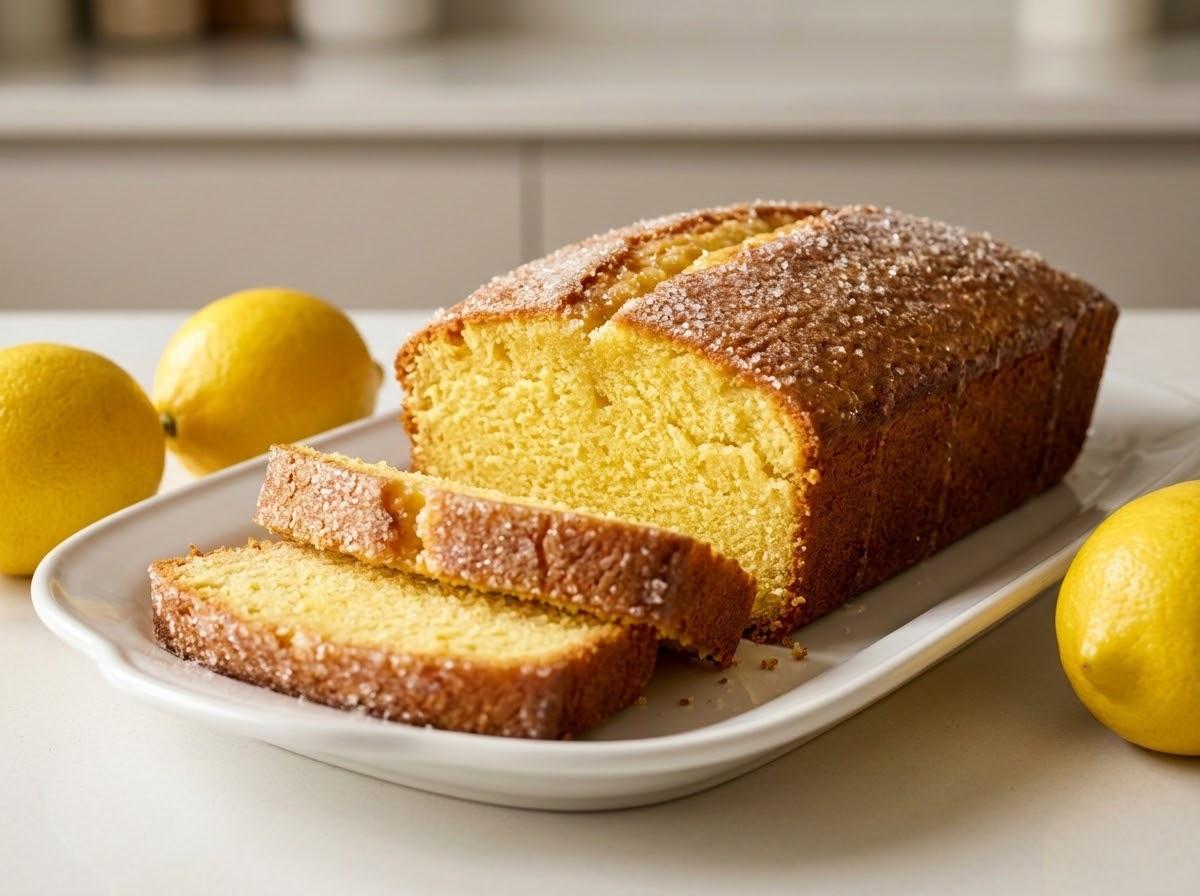
A lemon drizzle cake is a plain butter sponge, usually baked in a loaf tin, that gets soaked with a lemon juice and sugar syrup while still warm from the oven. The sugar in the syrup doesn't fully dissolve into the sponge — as the cake cools, it recrystallizes on the surface into a thin, crunchy, slightly frosted-looking crust.
The Defining Technique
That crust is the entire point of the "drizzle" name, and it's what separates this from a plain lemon cake with icing on top. A lemon-flavored sponge without the syrup soak is still a lemon cake, but it isn't a drizzle cake — the soaking and the crystallized sugar crust are the defining technique.
The Classic Lemon Drizzle Cake Recipe
This is the standard loaf-tin version, the one worth learning before adjusting flavors or format.
Recipe Summary
- Prep time: 15 minutes
- Cook time: 45–50 minutes
- Total time: about 1 hour 15 minutes, plus cooling
- Yield: one 2 lb (900g) loaf, about 10 slices
Equipment
- 2 lb (900g) loaf tin, approximately 9 x 5 inches
- Parchment paper or a loaf tin liner
- Electric mixer or stand mixer
- Zester or fine grater
- Skewer or cake tester
- Small bowl for the syrup
Ingredients
- 1 cup (225g) unsalted butter, softened
- 1 cup (225g) granulated sugar
- 4 large eggs
- 1 3/4 cups (225g) self-rising flour
- Zest of 2 lemons
- 2 tablespoons milk
- Juice of 2 lemons (about 1/3 cup / 80ml)
- 1/2 cup (100g) granulated sugar
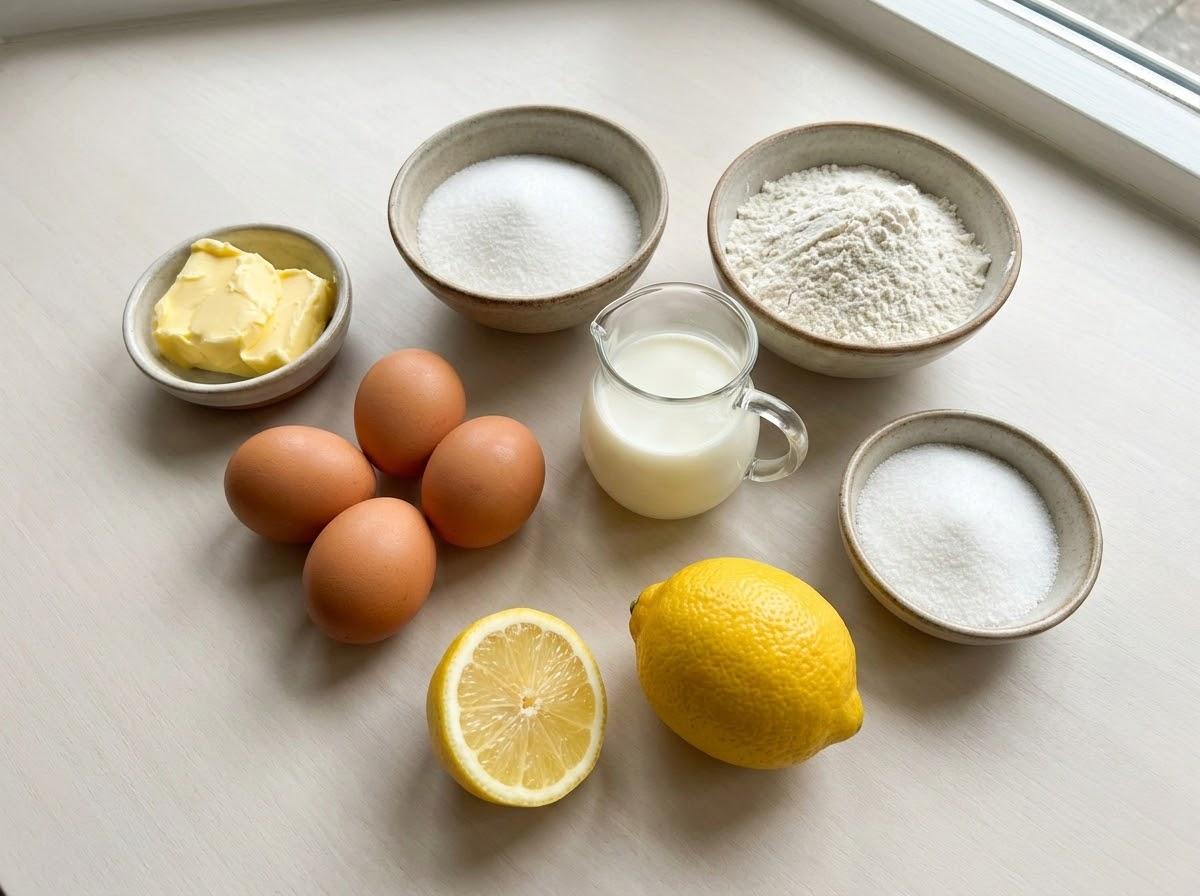
Fresh Pantry Ingredients: Unsalted butter, sugar, eggs, flour, fresh lemons & milk
A Note on Tin Size and Scaling
Loaf tins sold as "2 lb" aren't all the same size. The depth and width can vary noticeably between brands, even at the same stated capacity.
If your tin is on the smaller side, fill it no more than three-quarters full and use any leftover batter for a cupcake or two rather than risking overflow in the oven.
Scaling With Egg Weight
If you want to scale this recipe up or down with confidence, use egg weight as your guide. Crack your eggs into a bowl and weigh them, then match that same weight in butter, sugar, and flour. Four large eggs typically weigh close to 225g, which is why this recipe uses equal 225g quantities of each. If your eggs run larger or smaller, adjusting the other three ingredients to match keeps the ratio balanced and the sponge behaving the way it should.
Method
Preheat the Oven and Prepare the Tin
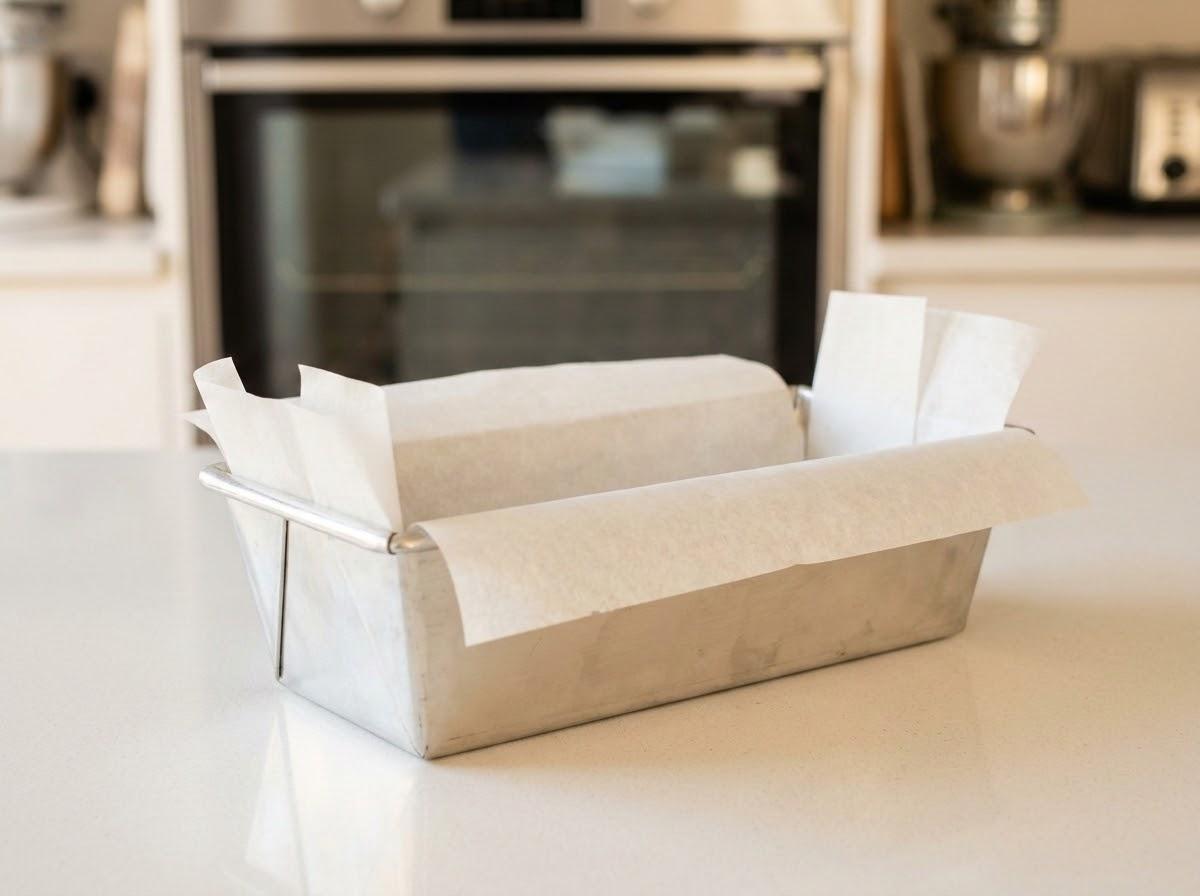
Preheat your oven to 350°F (175°C) and line the loaf tin with parchment paper, leaving some overhang on the long sides to help lift the cake out later.
Cream the Butter and Sugar
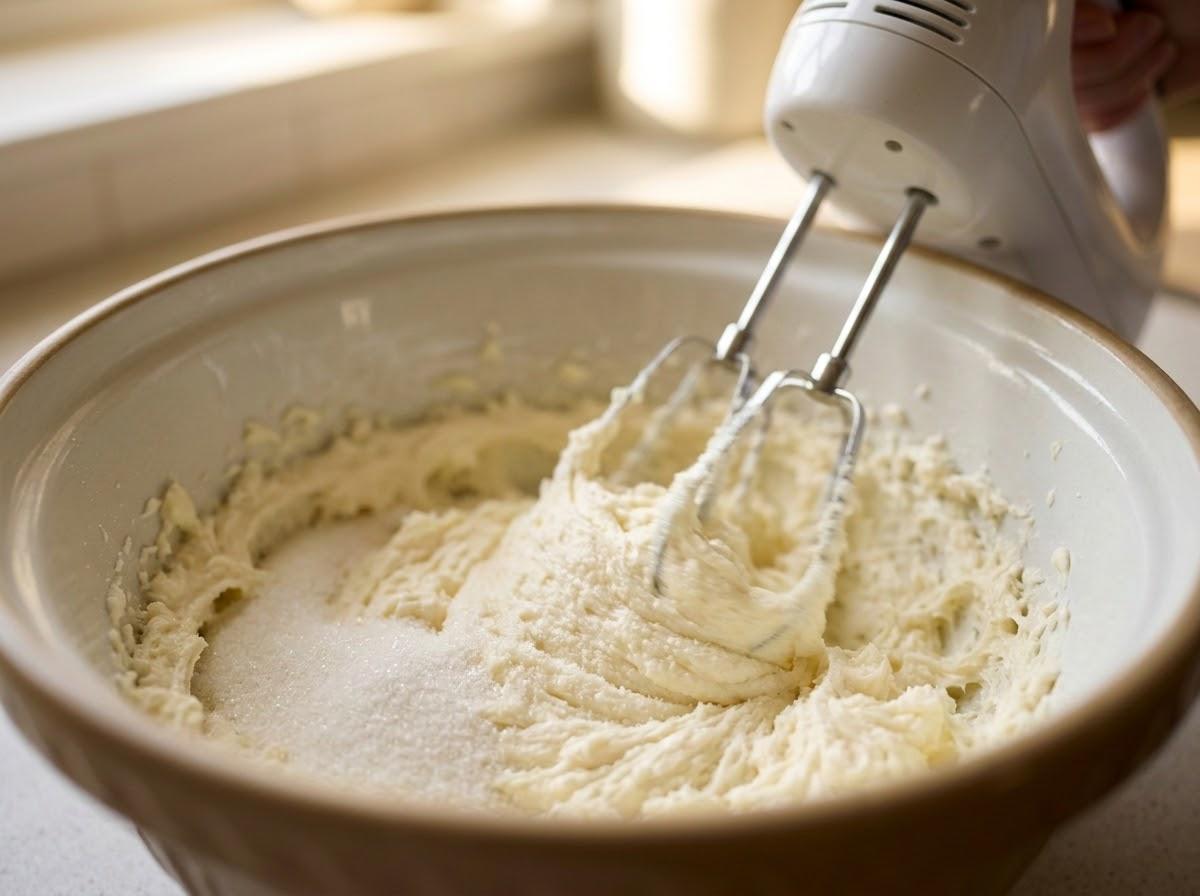
Beat the softened butter and sugar together for 3–4 minutes, until noticeably pale and fluffy.
This step introduces air that helps the sponge rise, so don't rush it.
Add the Eggs Gradually
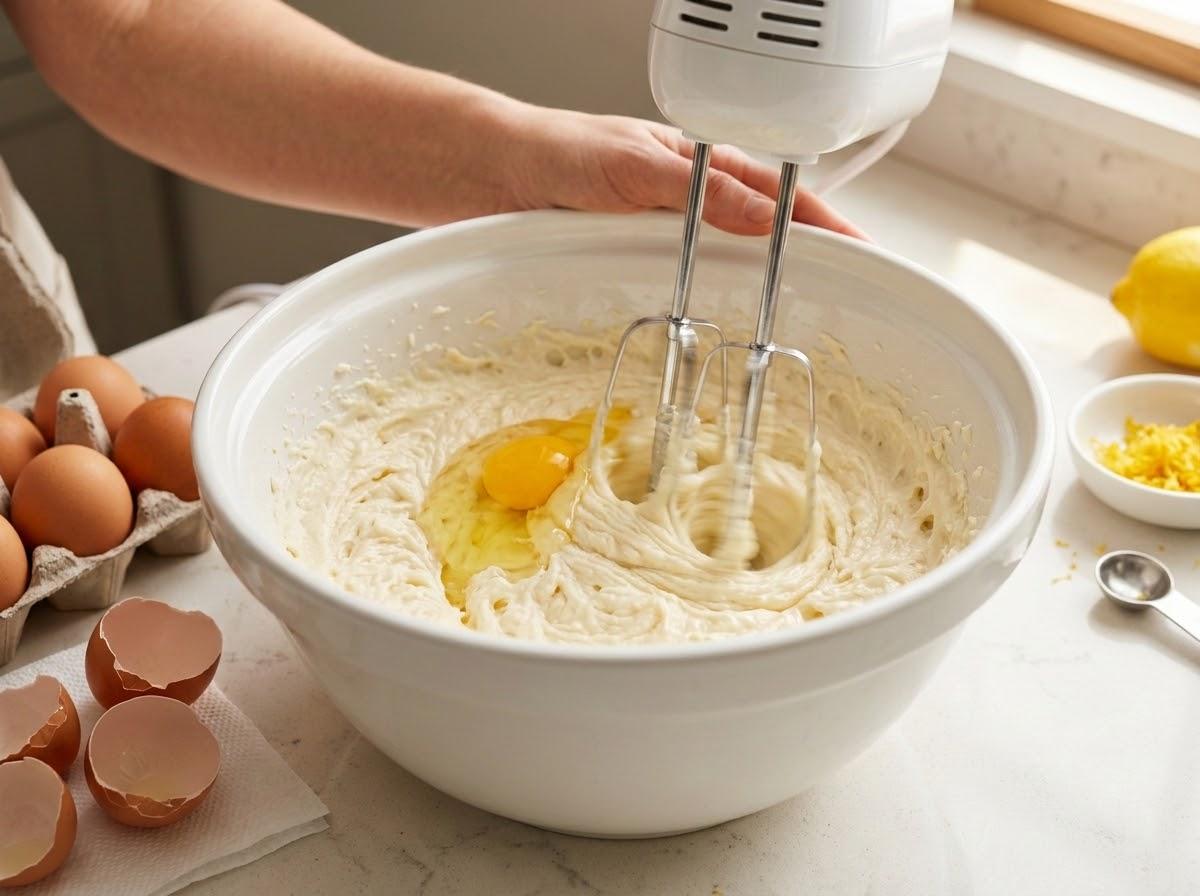
Beat in the eggs one at a time, fully incorporating each before adding the next.
If the mixture looks like it's starting to curdle, add a spoonful of the flour to bring it back together.
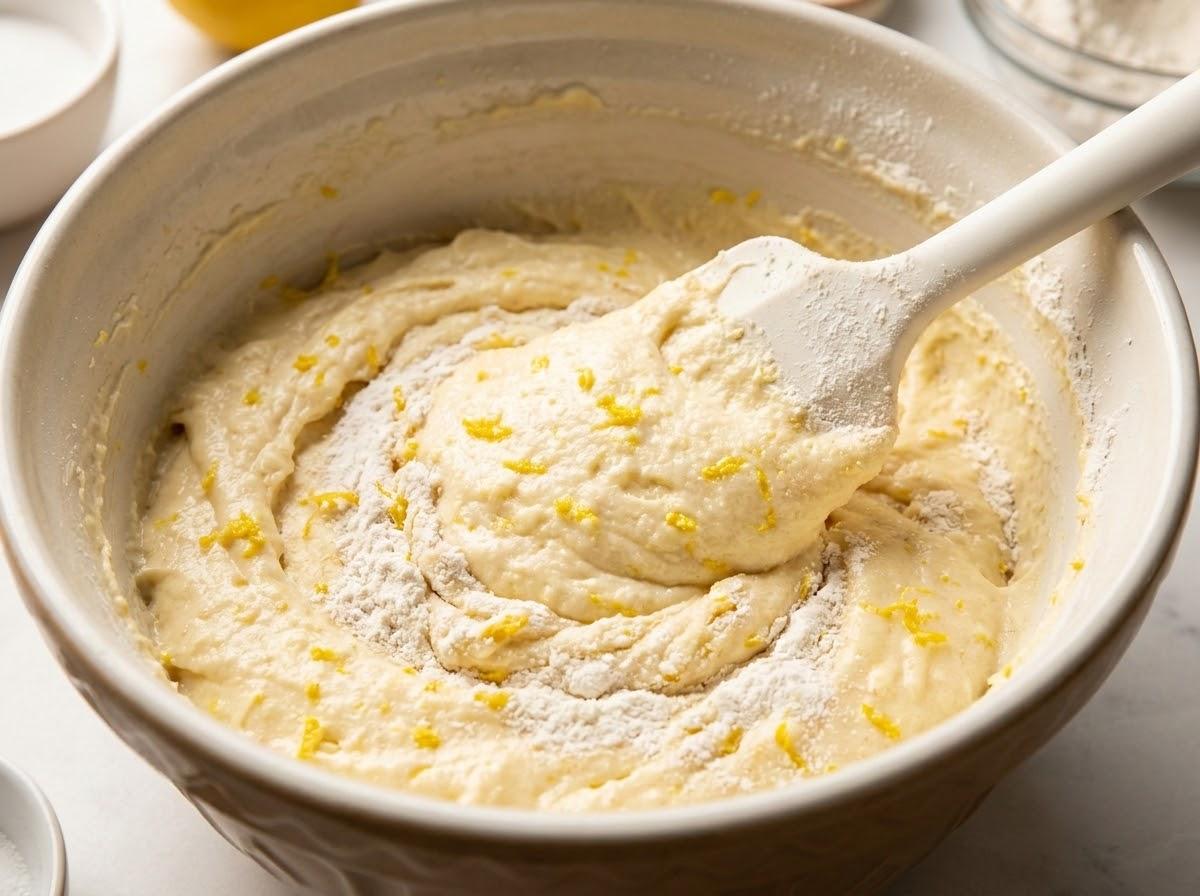
Fold in the Flour and Lemon Zest
Sift the flour over the mixture and fold in gently with a spatula, along with the lemon zest, until just combined.
Overmixing at this stage develops gluten and makes the sponge tougher and denser than it should be.
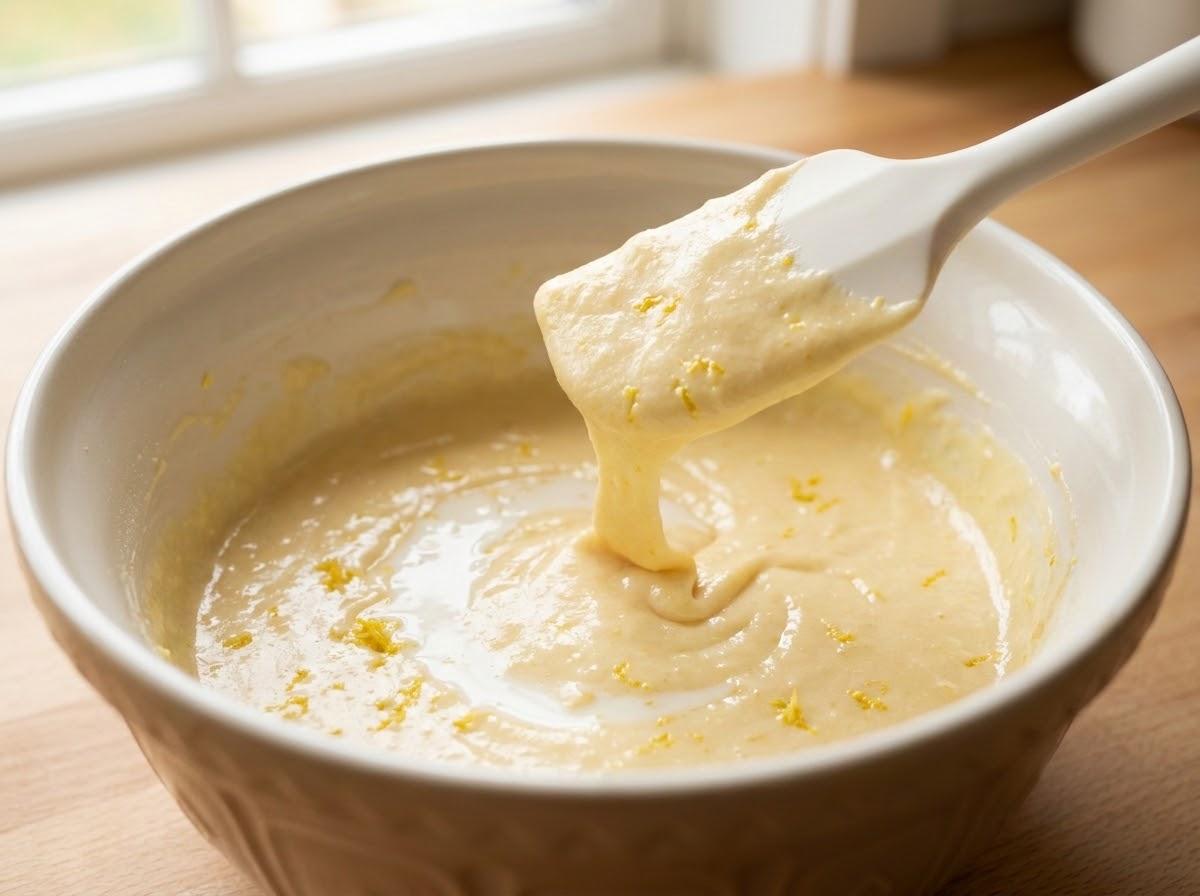
Loosen With Milk
Stir in the milk until the batter reaches a soft, dropping consistency. It should fall off a spoon after a brief pause, not pour off instantly.
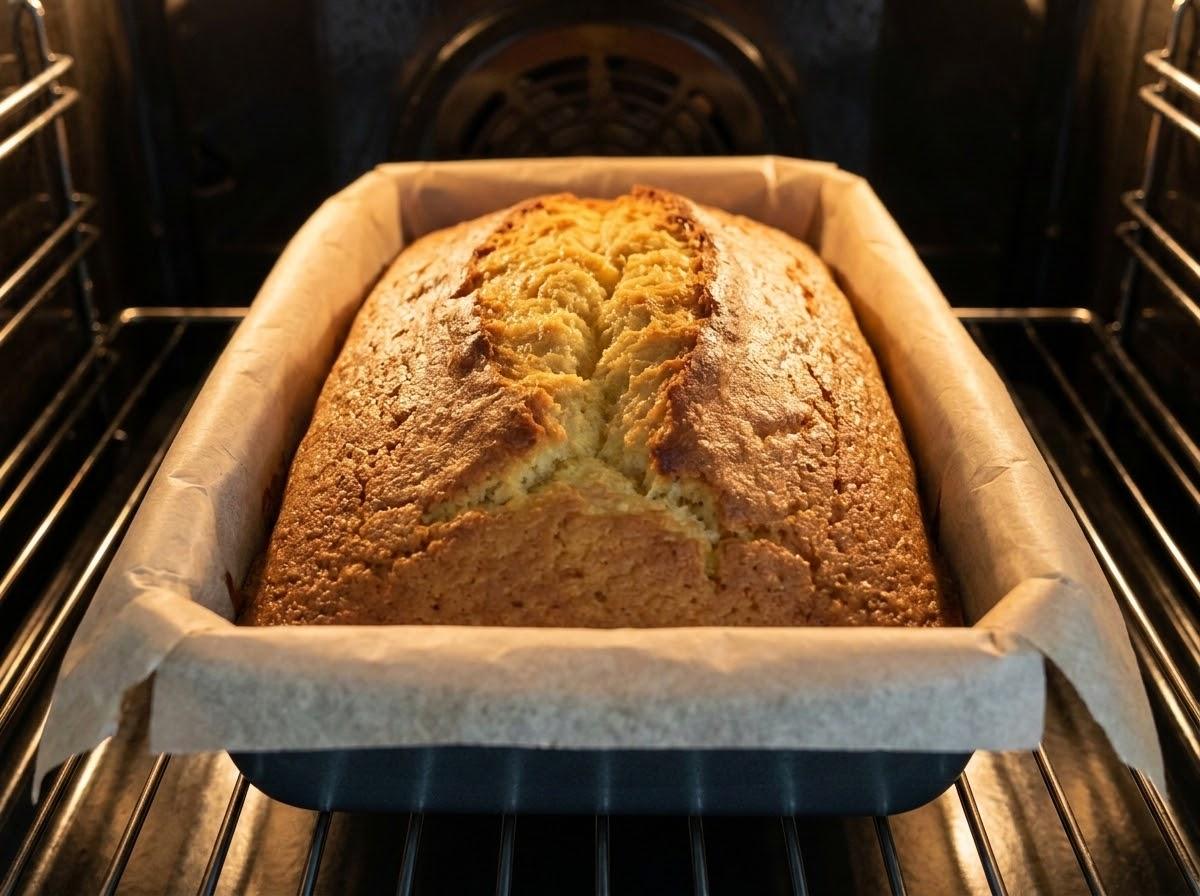
Bake the Cake
Bake for 45–50 minutes, until well risen, golden on top, and a skewer inserted into the center comes out clean.
If the top is browning too quickly before the center is done, loosely tent the tin with foil for the last 10–15 minutes.
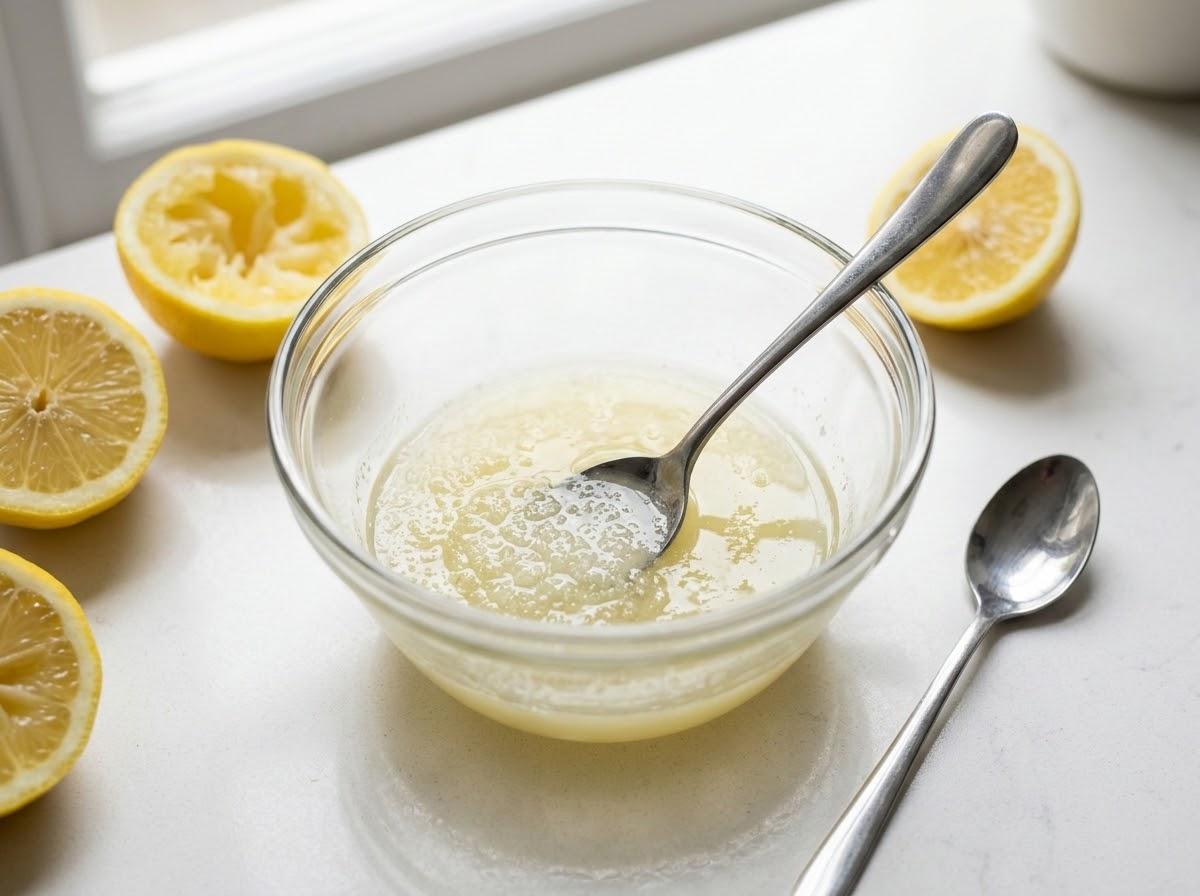
Make the Lemon Drizzle
While the cake bakes, stir the lemon juice and sugar together in a small bowl.
Do not heat it.
The sugar doesn't need to dissolve completely because the undissolved grains are what create the crackly crust once soaked into the hot cake.
Soak the Hot Cake Immediately
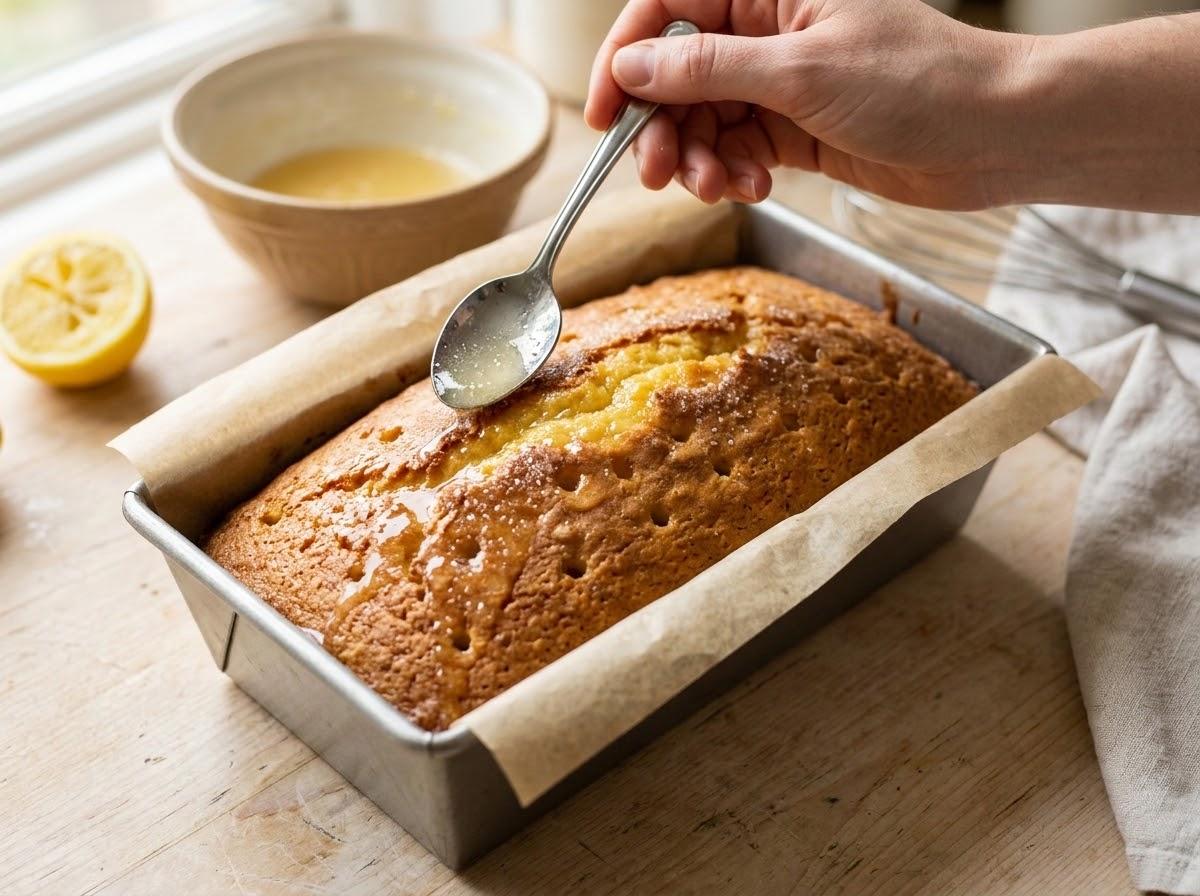
While the cake is still hot and still in its tin, prick the top all over with a skewer, going about halfway down.
Slowly spoon the lemon drizzle mixture over the top, letting it soak in before adding more.
This timing matters: a hot cake absorbs the syrup; a cooled one just gets a sticky top layer.
Cool Completely in the Tin
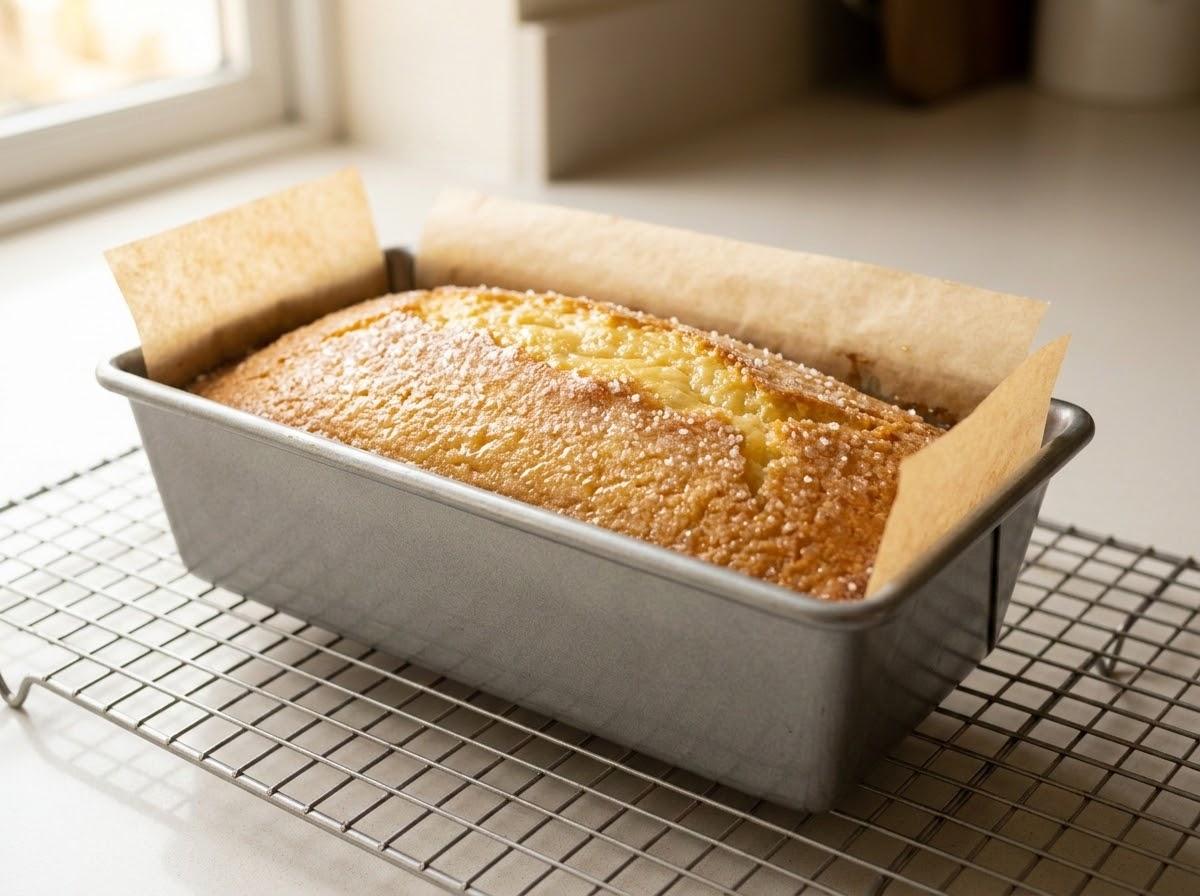
Leave the cake to cool fully before removing it, for at least 1–2 hours.
Moving it too soon risks the sponge tearing while the syrup is still soaking through.
Turn Out and Slice
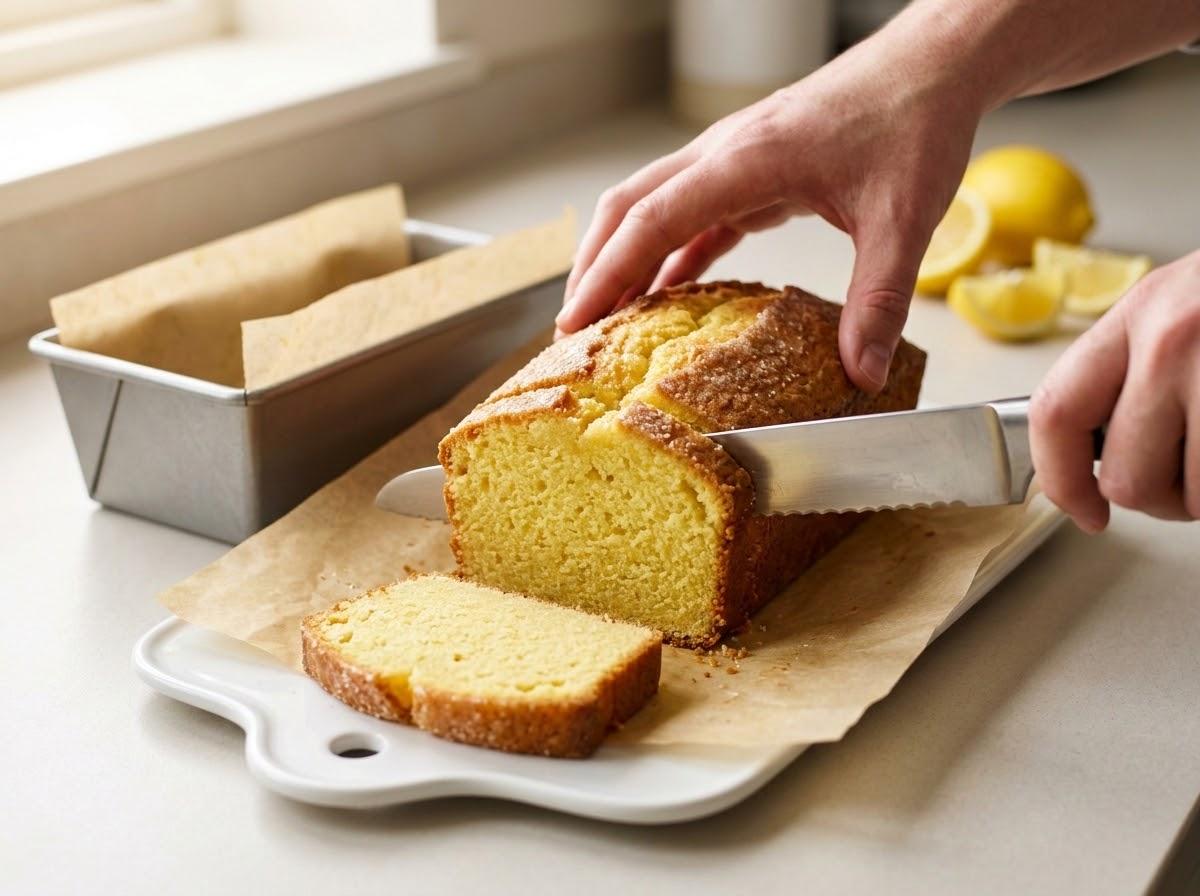
Once fully cooled, lift the cake out using the parchment overhang and slice.
The sugar crust should be visibly set and slightly crunchy on top.
Optional Decorative Icing Glaze
The granulated sugar syrup creates the crackly crust and keeps the sponge moist.
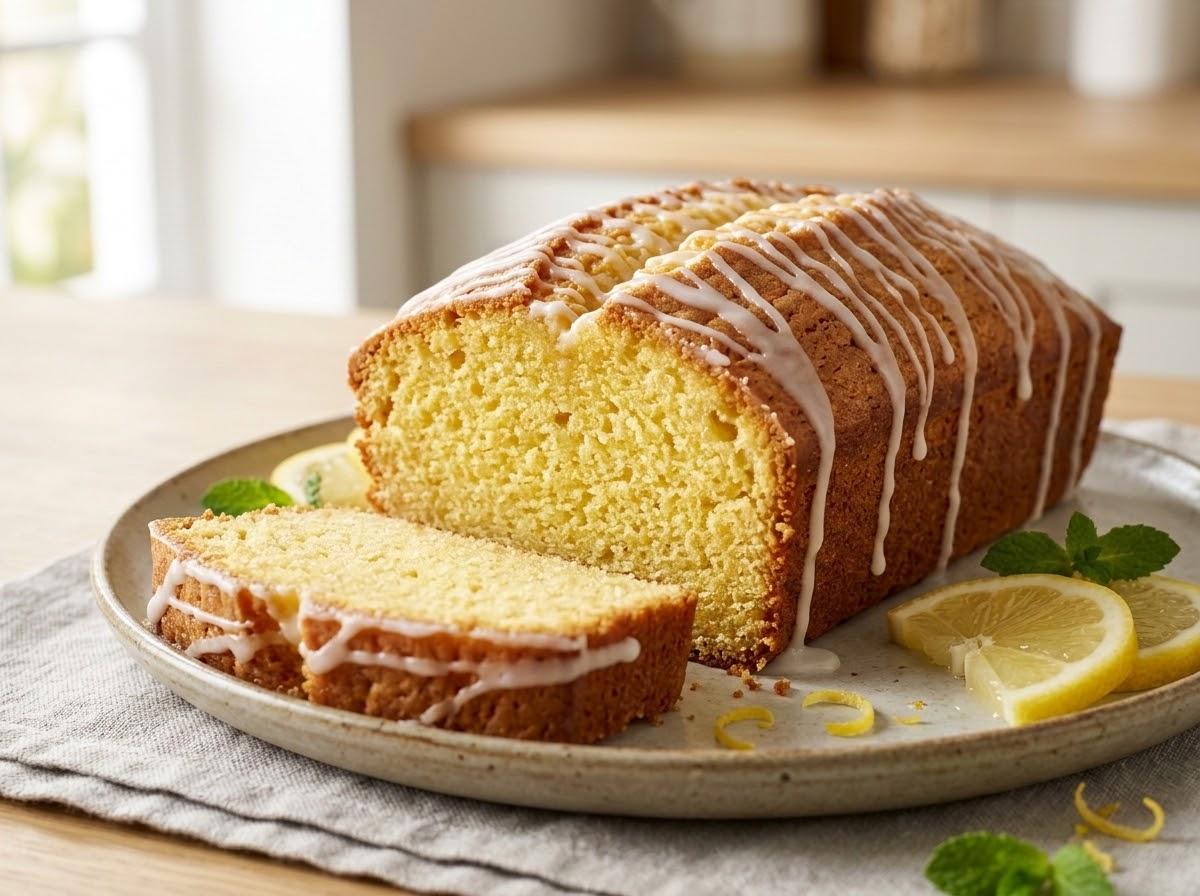
For a more finished bakery-style look, add a second decorative layer once the cake has cooled completely.
Whisk 1/2 cup (60g) powdered sugar with 1–2 teaspoons lemon juice until thick and pourable. Drizzle it over the cooled cake and let it set before slicing. This glaze is for appearance rather than moisture.
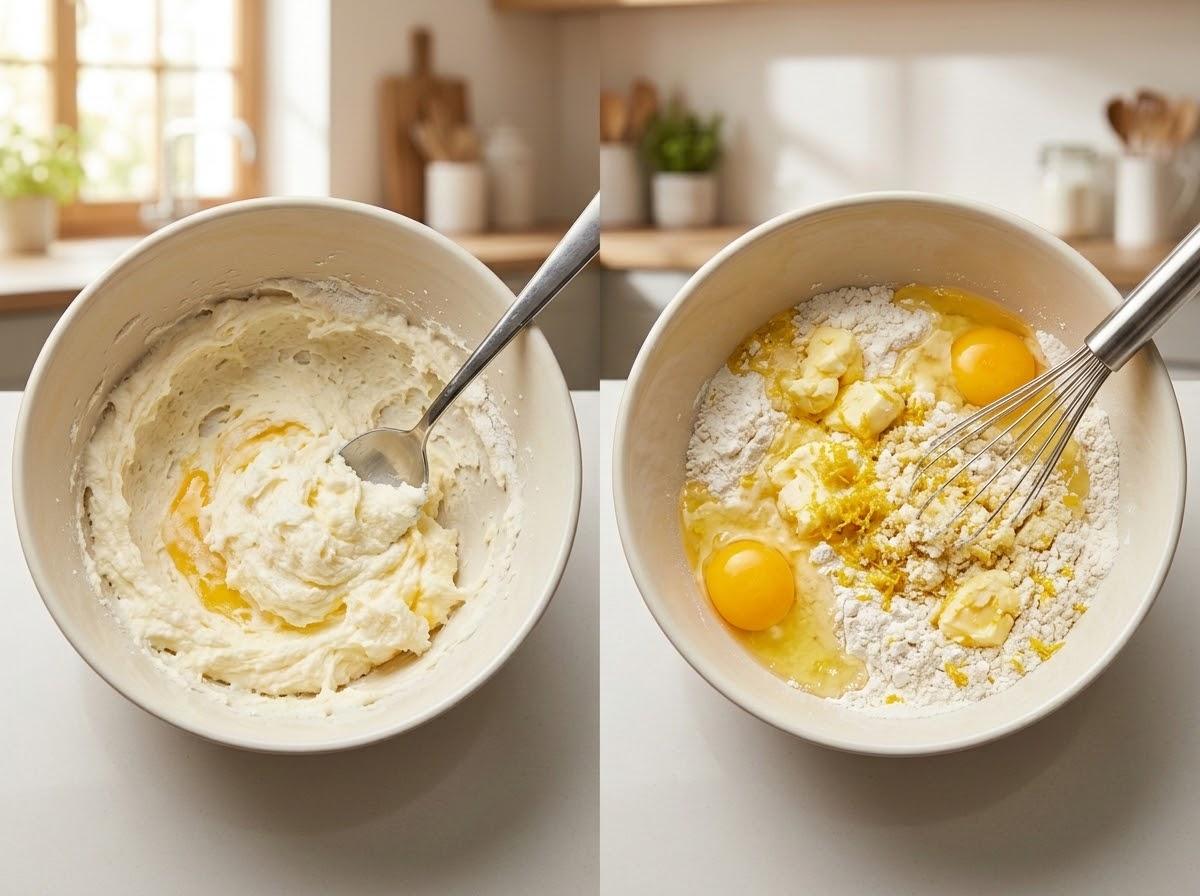
Two Ways to Mix the Batter
Creaming vs. All-in-One
The method above uses the creaming technique: beating the butter and sugar first, then adding eggs and flour in stages.
It gives a slightly more reliable rise and is the better choice if you're new to this cake.
There's also a faster all-in-one method. Simply put the softened butter, sugar, eggs, flour, and lemon zest into a single bowl and beat everything together for about 2 minutes until smooth. It's quicker and harder to mess up in terms of technique, though the crumb comes out very slightly denser than the creamed version.
Baking It in a Different Tin
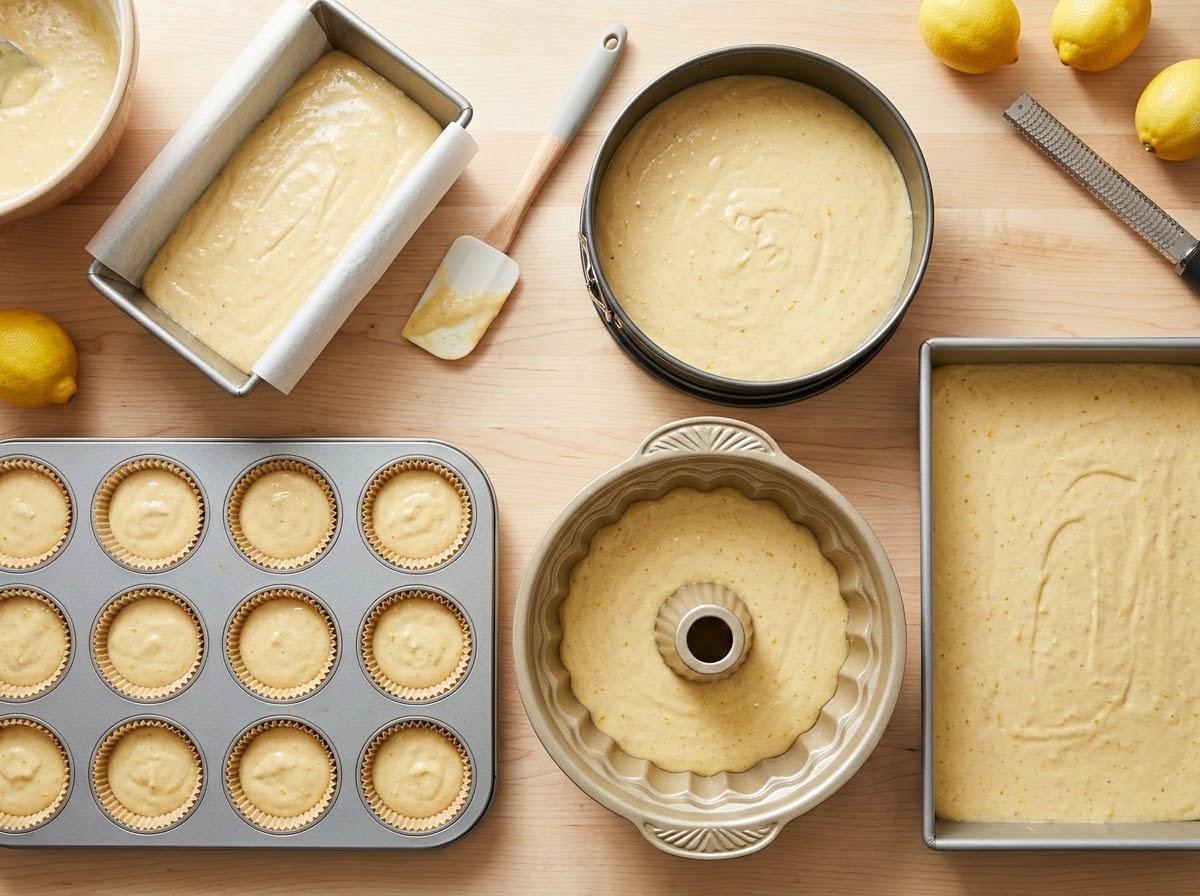
The recipe is written for a 2 lb loaf tin, but the same batter adapts well to other formats:
Round 8-inch Cake Tin
Bake at the same 350°F (175°C), checking from around 30 minutes.
9 x 13-inch Traybake Tin
Bake for about 25–30 minutes.
Bundt Tin
Grease every groove thoroughly and bake for 40–45 minutes.
Muffin Tin
Fill cases about two-thirds full and bake for 18–20 minutes.
Common Mistakes and How to Avoid Them
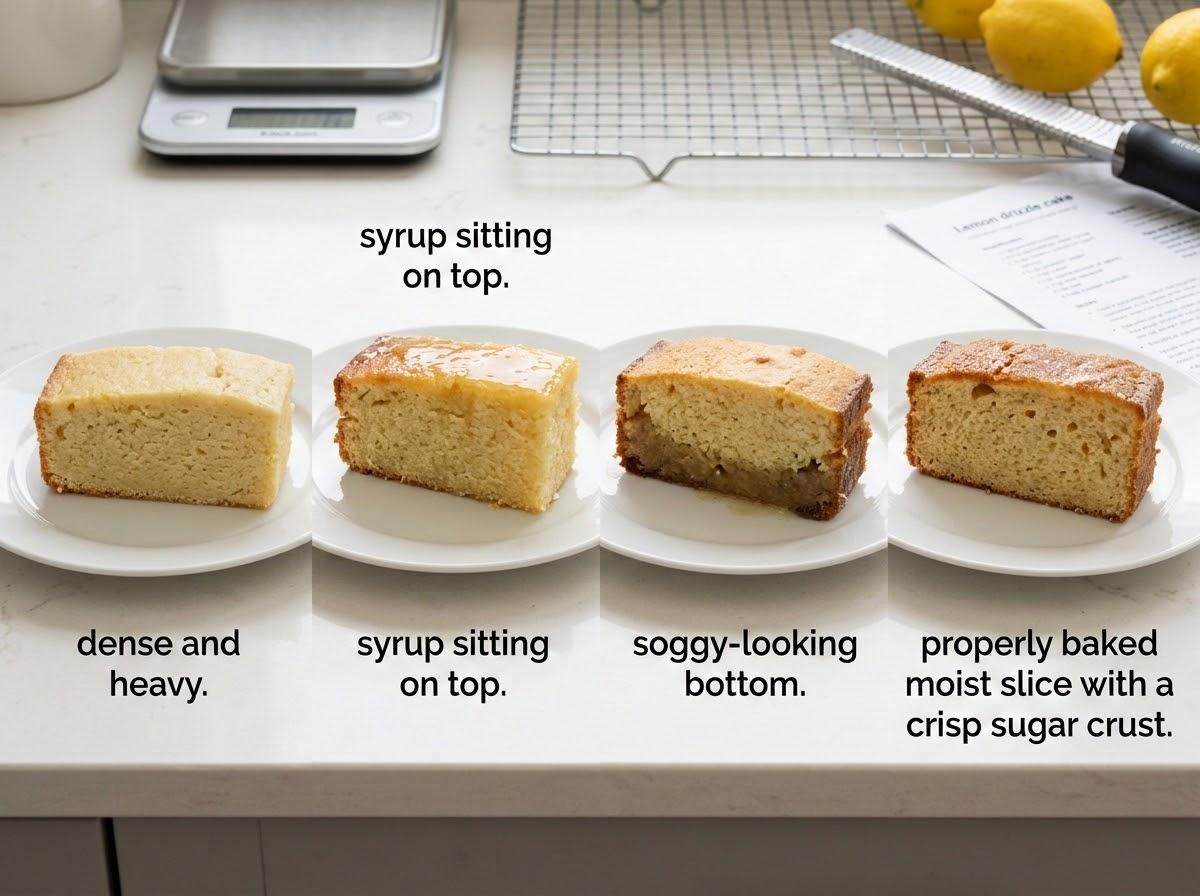
Dense and Heavy Cake
This usually comes from under-creaming the butter and sugar or overmixing once the flour goes in. Give the creaming stage the full 3–4 minutes, and fold the flour in just until no dry streaks remain.
Drizzle Sitting on Top
The cake was likely too cool when the syrup went on. Pour the drizzle while the cake is still hot, ideally within a few minutes of coming out of the oven.
Soggy Bottom
This usually happens when too much syrup is added too quickly. Spoon it on gradually and allow each addition to soak in before adding more.
No Crackly Sugar Crust
The crust forms from undissolved sugar granules recrystallizing as the cake cools. Don't heat the syrup or stir until the sugar completely dissolves.
Cake Sinking in the Middle
This is typically caused by underbaking, opening the oven door too early, or too much raising agent relative to the flour. Test with a skewer in the center and avoid opening the oven during the first 30 minutes.
Bitter Lemon Flavor
Bitterness usually comes from the white pith underneath the lemon zest. Zest only the colored outer layer.
Variations Worth Trying
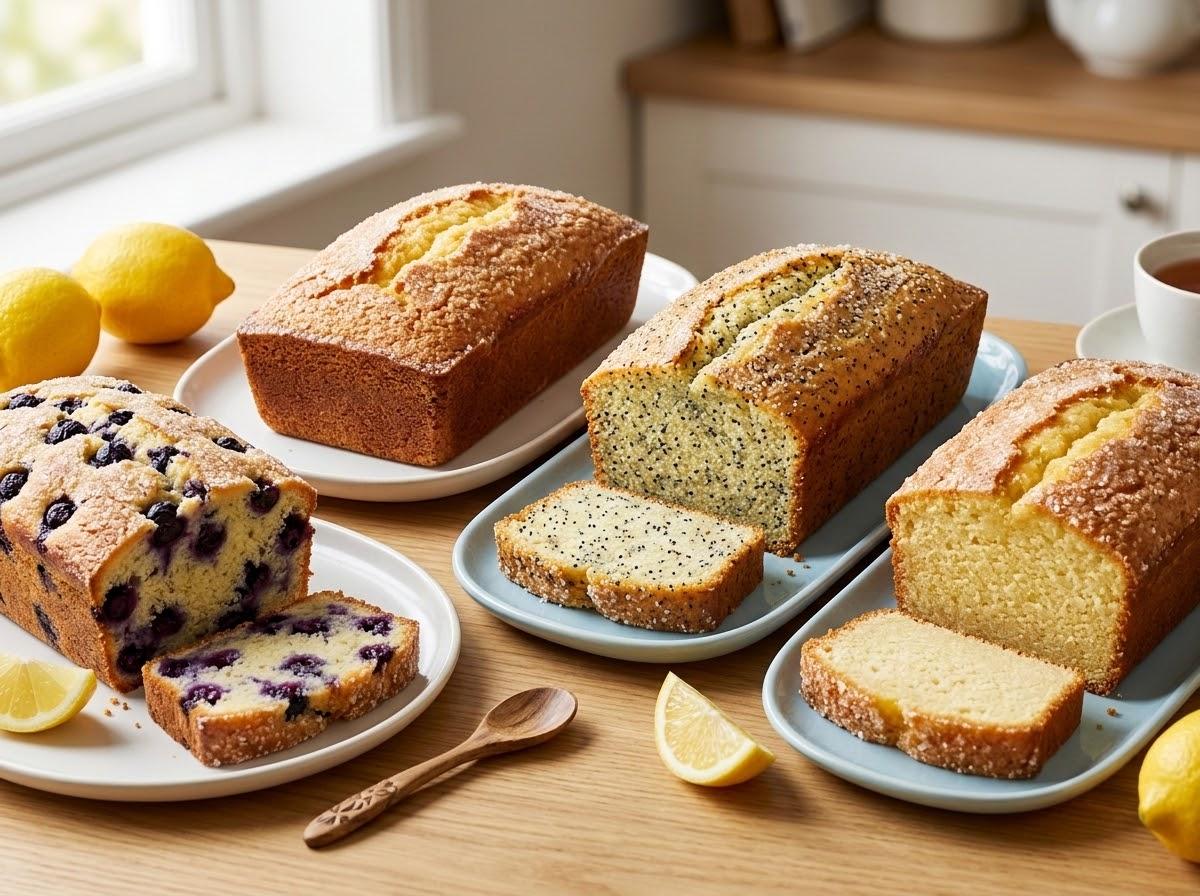
Lemon and Poppy Seed Drizzle Cake
Add 2 tablespoons of poppy seeds to the sponge batter along with the flour.
Lemon and Blueberry Drizzle Cake
Toss 3/4 cup fresh blueberries in a tablespoon of flour before folding them into the batter. Reduce the oven temperature slightly to about 325°F (165°C) and expect a slightly longer bake.
Gluten-Free Lemon Drizzle Cake
A 1:1 gluten-free self-rising flour blend can substitute directly for the wheat flour.
Dairy-Free Lemon Drizzle Cake
Use a plant-based butter alternative and dairy-free milk.
Storage and Make-Ahead Tips
Storing at Room Temperature
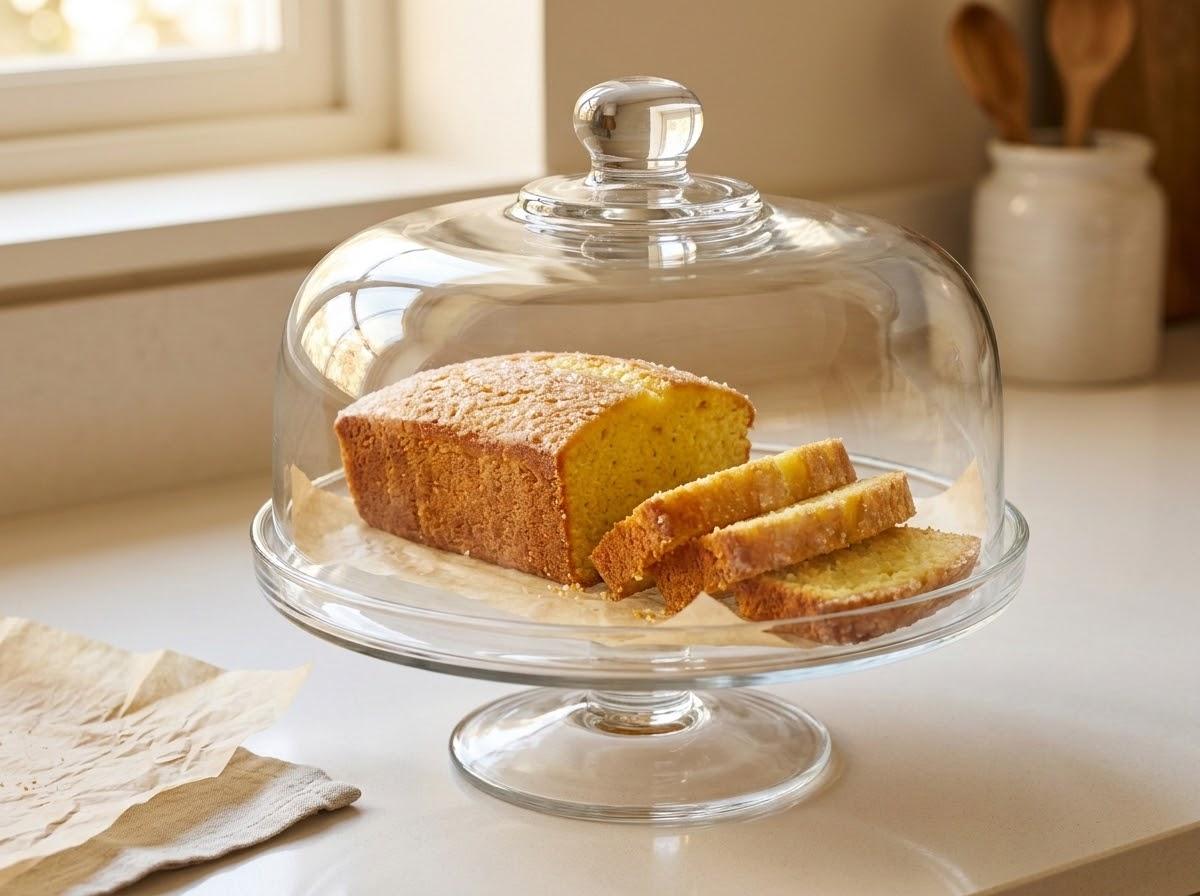
Once fully cooled, store the cake in an airtight container at room temperature for up to 4 days. The syrup soak helps the cake stay moist longer than a plain sponge.
Refrigerating
Refrigeration isn't necessary for a butter-based sponge and can dry it out faster. Only refrigerate if your kitchen runs particularly warm or humid.
Freezing
The plain sponge freezes well when wrapped tightly for up to 3 months. Freeze it before adding the drizzle syrup. Thaw at room temperature, then make and add fresh drizzle syrup.
Making It Ahead
This cake is a good candidate for baking a day ahead. Add the drizzle immediately after baking, then store airtight until you're ready to serve.
Frequently Asked Questions
What is the difference between lemon drizzle cake and lemon cake? +
A lemon drizzle cake is soaked with lemon and sugar syrup while still warm, creating a crunchy crystallized sugar crust. A plain lemon cake may be flavored with lemon but doesn't go through this soaking step.
Why do you poke holes in a lemon drizzle cake? +
Poking holes creates channels for the lemon syrup to soak down into the sponge rather than sitting only on the surface.
Can I make lemon drizzle cake ahead of time? +
Yes. It keeps well for several days and actually improves in flavor and moisture by the next day.
Why is my lemon drizzle cake too sweet or too sour? +
This usually comes down to the ratio of sugar to lemon juice and how acidic your lemons are.
Can I use bottled lemon juice? +
Fresh lemon juice gives a brighter flavor, and you'll need fresh lemon zest for the sponge. Bottled juice can work for the syrup in a pinch.
Can I freeze lemon drizzle cake? +
Yes, but freeze the plain sponge before adding the syrup. Add fresh syrup after thawing.
Why did my cake crust go soggy? +
The sugar crust naturally softens over time, especially in humid conditions.
Why did my cake crack down the middle? +
A crack along the top is normal for a loaf-shaped cake. It happens as the center continues rising after the outer edges have set.
Final Thoughts
Lemon drizzle cake rewards attention at exactly two moments: creaming the butter and sugar properly at the start, and pouring the syrup while the cake is still hot at the end.
Everything in between is a straightforward sponge that doesn't ask for much technical skill. Once that timing clicks, it's an easy cake to keep coming back to — dependable, quick to put together, and one of the few cakes that's genuinely better the day after you bake it.
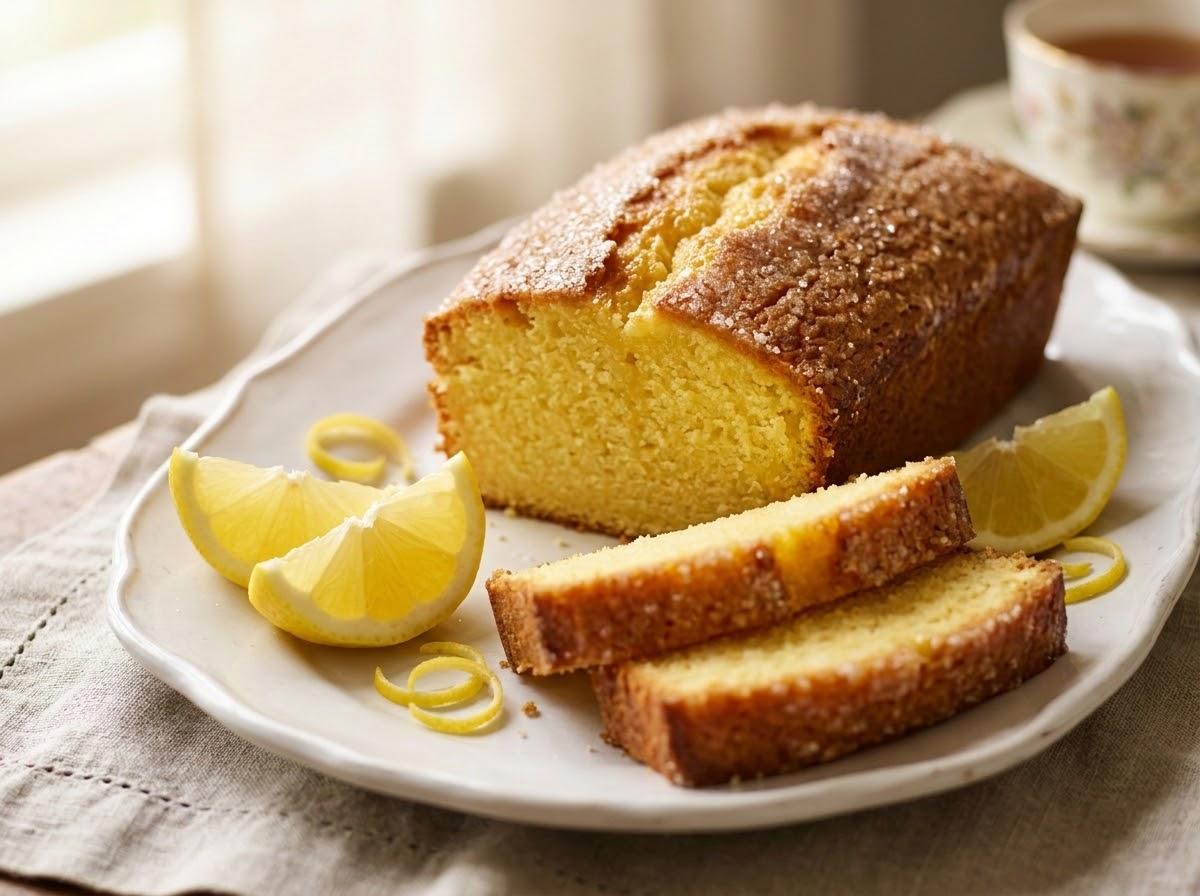
Tea-Time Perfection: Moist citrus-infused crumb, crunchy crystallized crust, and a cup of freshly brewed tea.