 Baking
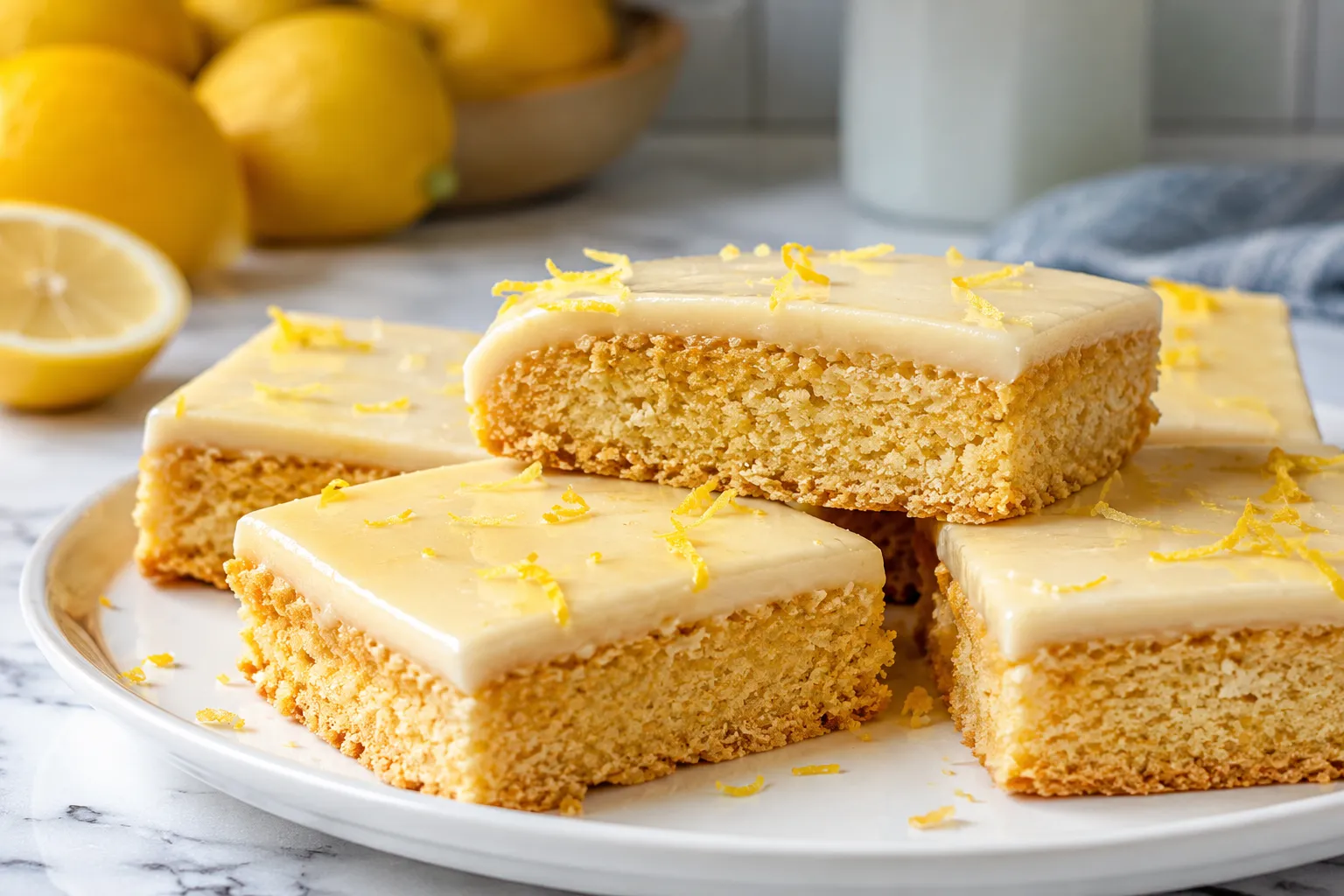
Easy No-Bake Lemon Slice Recipe
Crisp coconut biscuit base with a tangy lemon icing. A classic Aussie no-bake treat ready in minutes.
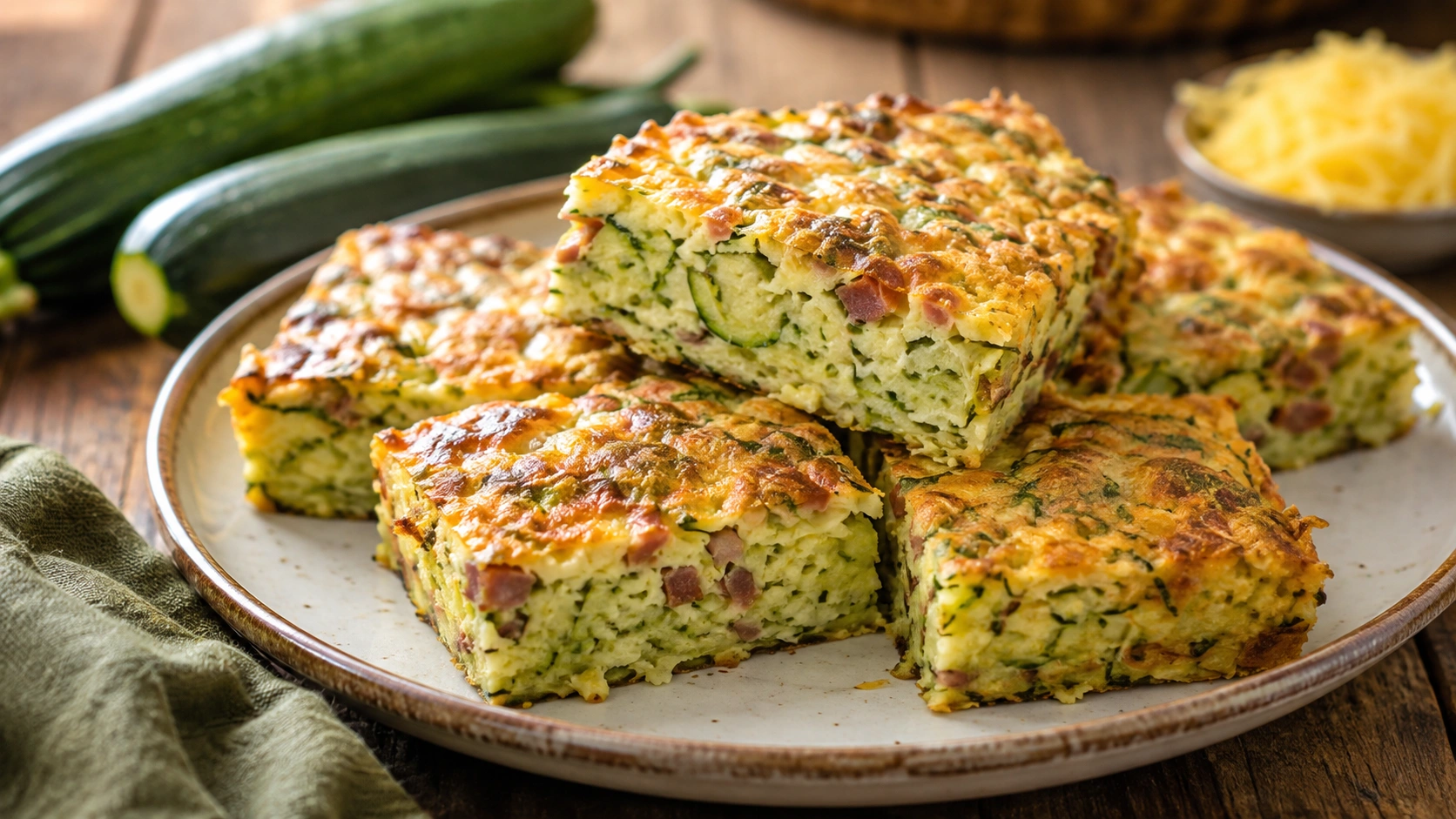
If you've ever pulled a zucchini slice out of the oven only to watch it collapse into a watery, sad puddle the moment you cut into it, you're not alone. It's one of the most forgiving recipes on paper — and one of the trickiest to actually nail. The good news: once you understand why zucchini slice goes wrong, it becomes almost impossible to mess up.
This guide covers everything — the science of why zucchini "weeps," ingredient ratios that actually hold together, variations for different diets, storage tips, and the questions people search for most when this dish shows up on their radar.
Zucchini slice is a baked savoury dish, popular across Australia and New Zealand, built from grated zucchini, eggs, flour or a flour substitute, cheese, and often bacon or onion, baked in a slice tin until firm and golden. Think of it as a crustless quiche crossed with a savoury slice — it holds its shape when cool, cuts into neat squares, and is as good eaten cold from the fridge as it is fresh from the oven.
It's a staple of school lunchboxes, work potlucks, and weekend meal prep for one core reason: it's endlessly adaptable. Bacon can become chorizo, or disappear entirely. Self-raising flour can be swapped for a gluten-free blend. The cheese can change based on whatever's in the fridge. But the underlying structure — eggs setting around drained zucchini — stays the same.
Zucchini is roughly 94% water by weight. When it's grated, all that surface area releases moisture during baking — steam that has nowhere to go except into your batter. If you don't remove that water before it hits the oven, the eggs curdle or separate rather than set, the flour turns gummy, and the result is either soggy, dense, or both.
Tossing grated zucchini with salt and leaving it in a colander for 10–15 minutes draws out a remarkable amount of water through osmosis. From 400g of grated zucchini, you can extract 60–90ml of liquid — roughly a third of a cup. That's water that would otherwise destroy the texture of your slice.
After salting, squeeze the zucchini firmly — in handfuls, against a clean tea towel, or pressed in a fine mesh strainer. Be ruthless. The drier it is before it goes into the batter, the firmer the final slice.
💡 Pro Tip
After squeezing, taste a pinch of the zucchini. If it's noticeably salty, give it a quick rinse and squeeze again. Some cheddar cheeses and bacon add plenty of salt already, so you want to manage the overall seasoning carefully.
| Problem | Likely Cause | Solution |
|---|---|---|
| Watery, collapses when cut | Zucchini not squeezed dry | Salt + squeeze before mixing |
| Raw in the middle | Oven too hot, outside cooked first | Lower temp, bake longer |
| Rubbery, dense texture | Too much flour or overbaked | Measure flour accurately, pull at golden |
| Pale and doesn't brown | Dark tin absorbing heat unevenly | Light metal tin, middle rack |
| Falls apart when sliced | Cut too hot, not enough eggs | Rest 10 mins, use 5 large eggs |
The ratios below are tested for a standard 20cm × 30cm baking tin and yield about 12 generous slices.
Using the coarse side of a box grater, grate the zucchini straight into a colander set over a bowl or the sink. Don't peel it — the skin adds colour and nutrients and breaks down completely during baking.

Toss the grated zucchini with 1 tsp of fine salt. Stir to distribute, then leave it in the colander for 10–15 minutes. You'll see liquid pooling beneath — that's exactly what you want to remove.

Preheat your oven to 180°C (160°C fan-forced). Grease a 20cm × 30cm baking tin thoroughly and line with baking paper, leaving overhang on two sides so you can lift the slice out cleanly after baking.

This is the most important step. Working in batches, grab handfuls of the salted zucchini and squeeze firmly over the sink. Alternatively, wrap it all in a clean tea towel and wring it hard. You're aiming to extract as much moisture as possible. The zucchini should feel almost dry and compact when done.

Heat olive oil in a frying pan over medium heat. Cook the diced onion for 5–6 minutes, stirring occasionally, until softened and translucent but not browned. Set aside to cool for a few minutes before adding to the batter — you don't want it to scramble the eggs.

In a large bowl, whisk the 5 eggs until combined. Add the flour and whisk again until smooth — no lumps. Fold in the squeezed zucchini, sautéed onion, chopped bacon, and grated cheese. Season with black pepper and herbs if using. Taste before adding extra salt, as bacon and cheese are already salty.

Pour the batter into the prepared tin and spread it evenly right to the corners with a spatula. The mixture should be about 2.5–3cm deep. Scatter any remaining cheese on top for a golden crust.

Bake on the middle rack for 35–40 minutes. The top should be a deep golden brown and the centre should feel firm when gently pressed. If a skewer inserted into the middle comes out clean (no wet batter), it's done. If it wobbles slightly, give it another 5 minutes.

Leave the slice to rest in the tin for at least 10 minutes before lifting it out. Cutting it too soon will cause it to crumble — it firms up as it cools. Use the paper overhang to lift cleanly onto a board, then cut into squares with a sharp knife.

Replace the self-raising flour with a 1:1 gluten-free self-raising blend (most major brands work well) or use almond meal for a slightly denser, nuttier result. If using almond meal, add ½ tsp baking powder to compensate for the missing raising agents. The texture will be a little more fragile when warm but firms up beautifully when cool.
Leave out the bacon entirely. To maintain the savoury depth, add a tablespoon of sundried tomato paste or a handful of feta crumbled through the batter. Roasted red capsicum, roughly chopped, also adds body and flavour that the bacon would otherwise provide.
Swap the cheddar for a dairy-free cheese alternative. Nutritional yeast (2 tablespoons) mixed into the batter can replace some of the cheesy flavour. The result is slightly less rich but still perfectly serviceable. Avoid dairy-free cheeses that don't melt — they can create rubbery pockets in the slice.

Up to 4 days in an airtight container. Tastes great cold, straight from the fridge.
Up to 3 months. Freeze individual slices on a tray first, then transfer to a zip-lock bag.
Oven at 160°C for 10 minutes is best. Microwave works but slightly softens the texture.
Zucchini slice is a meal-prep powerhouse. Bake it Sunday, and you have lunches sorted for most of the week. It's also one of the few baked dishes that genuinely improves overnight — the flavours meld and the texture firms further in the fridge.
Baking
Crisp coconut biscuit base with a tangy lemon icing. A classic Aussie no-bake treat ready in minutes.
 Baking
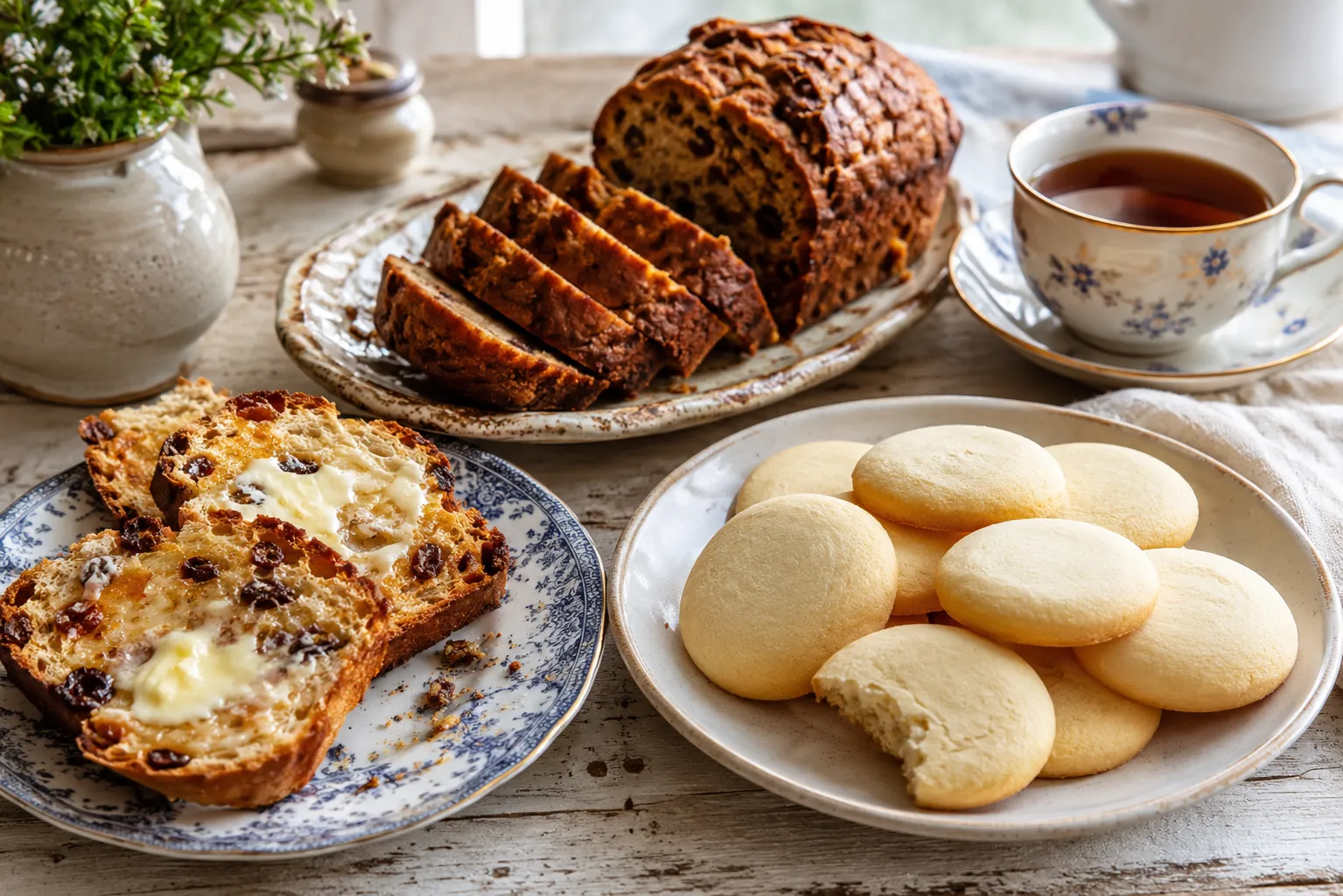
From British yeasted buns to spiced loaf cakes, learn expert baking and storage tips for every variation.
 Baking
High domed tops, sweet streusel crunch, and no sinking berries. A foolproof bakery-quality recipe.