 Baking
Zucchini Slice: The Complete Guide
Savory Australian baked slice with zucchini, bacon, and cheddar cheese that never turns soggy.
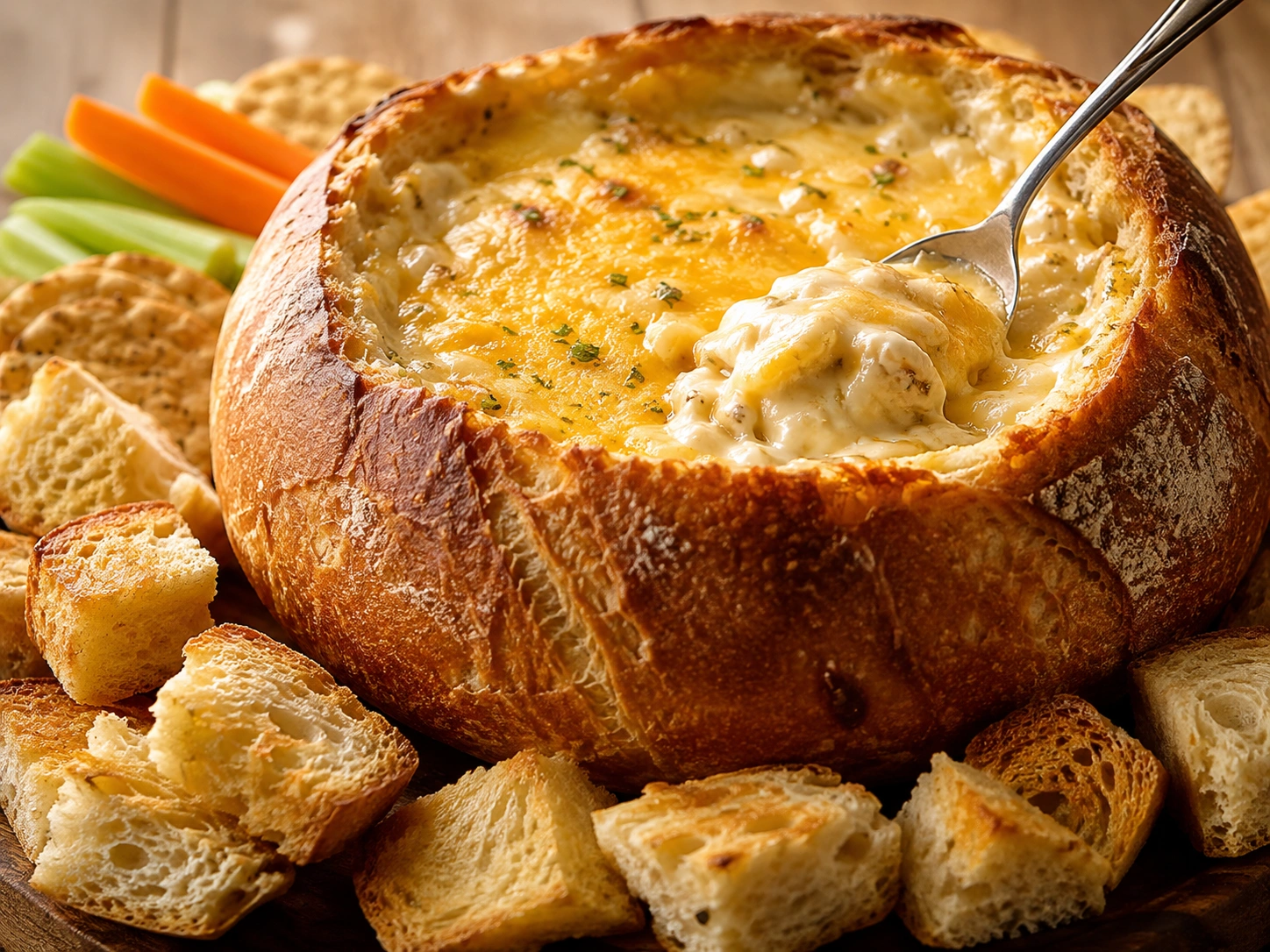
If you've ever been to a barbecue, a footy grand final party, or a Christmas gathering in Australia, chances are you've seen a hollowed-out round loaf sitting on the table, stuffed with warm, cheesy dip and surrounded by torn bread pieces disappearing fast. That's cob loaf dip — an Australian-style bread bowl appetizer where a round loaf becomes the serving dish itself.
The bread isn't just a vessel. Once it's filled with a hot, creamy dip and baked, the inside walls soak up flavor while the crust stays sturdy enough to tear off and dip. It's normally served warm, straight from the oven, which is a big part of the appeal.
It's not fancy. You don't need a food processor, a thermometer, or a trip to a specialty grocer. You need a round loaf of bread, some cream cheese, a few pantry staples, and about ten minutes of prep before the oven does the rest. If you're in the US and have never heard the term "cob loaf," think of it as a bread bowl dip — a round sourdough boule or another sturdy round loaf works just as well as the traditional Australian version.
This guide covers what a cob loaf actually is, US-friendly bread options, the classic recipe with US measurements, popular variations, common mistakes, and the questions people ask most before making one for the first time.
A cob loaf is a round, crusty loaf of bread — usually a white cottage loaf or a Vienna-style loaf — with a firm outer crust and a soft, dense crumb inside. The shape is what makes it useful here: round loaves hollow out neatly into a bowl shape that holds dip without collapsing, and the lid you cut off doubles as a serving piece once it's toasted and cut into dippers.
In Australia, most supermarket bakeries sell a loaf labelled "cob" or "cottage loaf." In the US, that exact label is uncommon, which is where a few easy substitutions come in.
The most reliable substitute is a round sourdough boule. It has the sturdy crust and dense crumb this recipe needs, and it's easy to find at most US grocery stores and bakeries.
Other good options include:
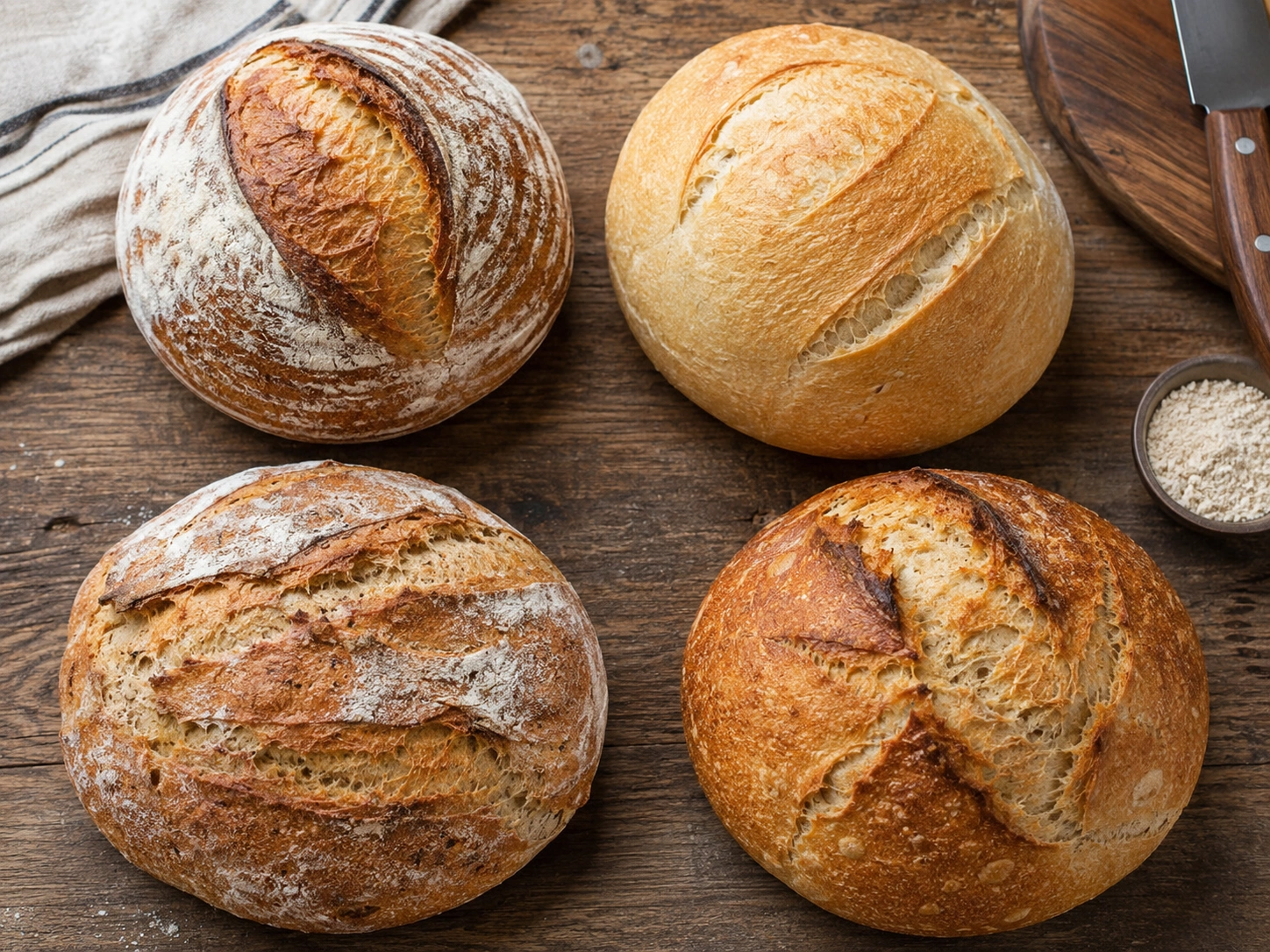
You don't need one specific bread. What matters is:
A soft sandwich loaf or a baguette won't work here — the crust is too thin and the shape isn't right. Stick to something round and substantial.
A few things make cob loaf dip a genuinely smart choice for entertaining, beyond just tasting good.
The bread bowl holds the dip, so there's no separate serving bowl to wash, and no risk of a bowl tipping over on a crowded table.
Doubling the dip mixture for a bigger crowd takes the same ten minutes of prep; you're not multiplying steps, just quantities.
There's very little that can go wrong with cream cheese, sour cream, and a packet of dry soup mix baked until hot. Even a slightly overbaked version is still good.
People eat the container along with the contents, so there's minimal washing up and almost nothing left over.
This is the foundational version — the one most people grew up with, and the one worth mastering before you start experimenting with variations.
Prep time: 15 minutes | Cook time: 30–35 minutes | Total time: about 50 minutes | Yield: 8–10 servings as an appetizer | Category: Appetizer, Party Dip | Cuisine: Australian
Preheat your oven to 350°F (175°C) conventional, or 325°F (165°C) if using convection.
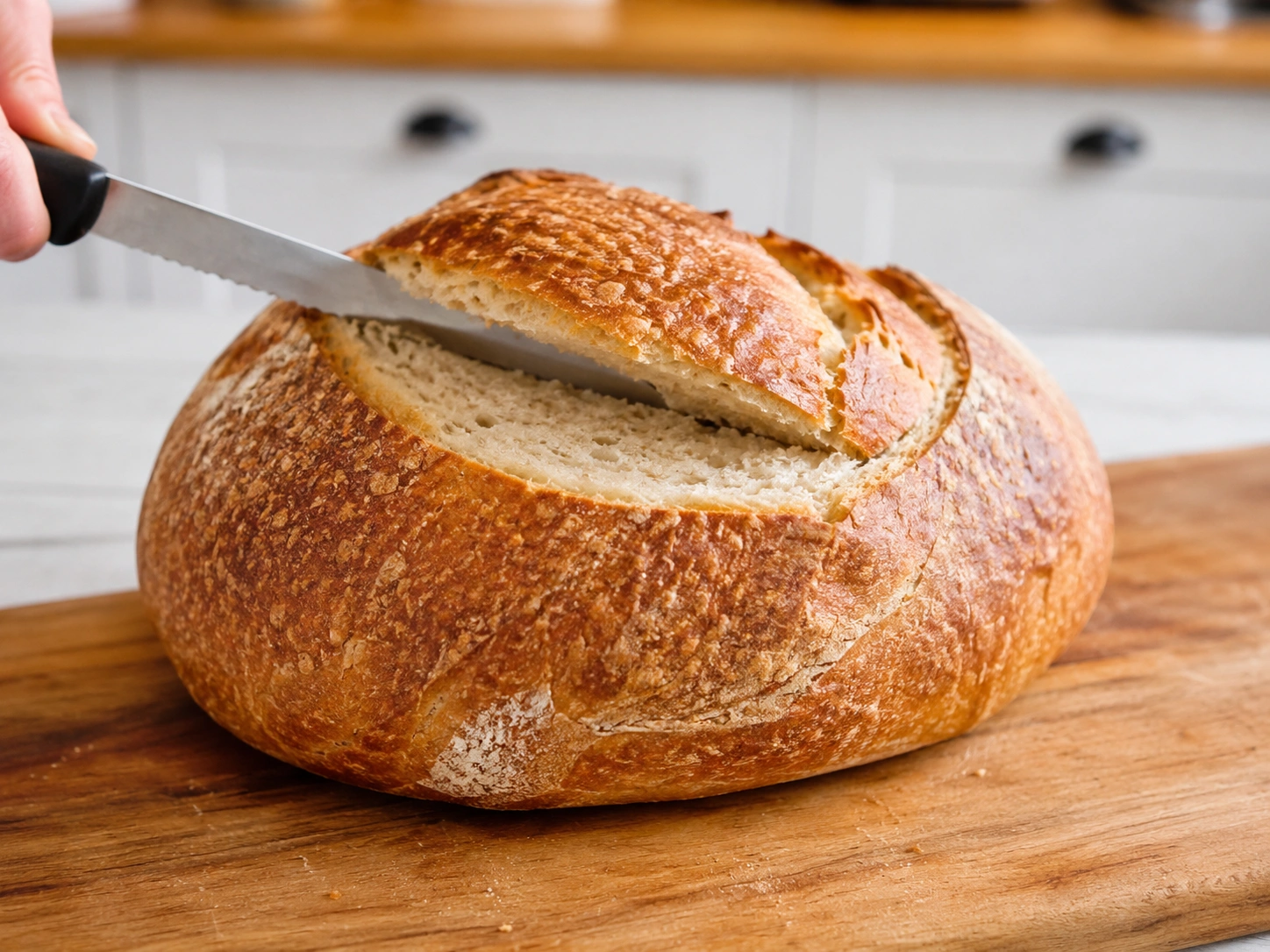
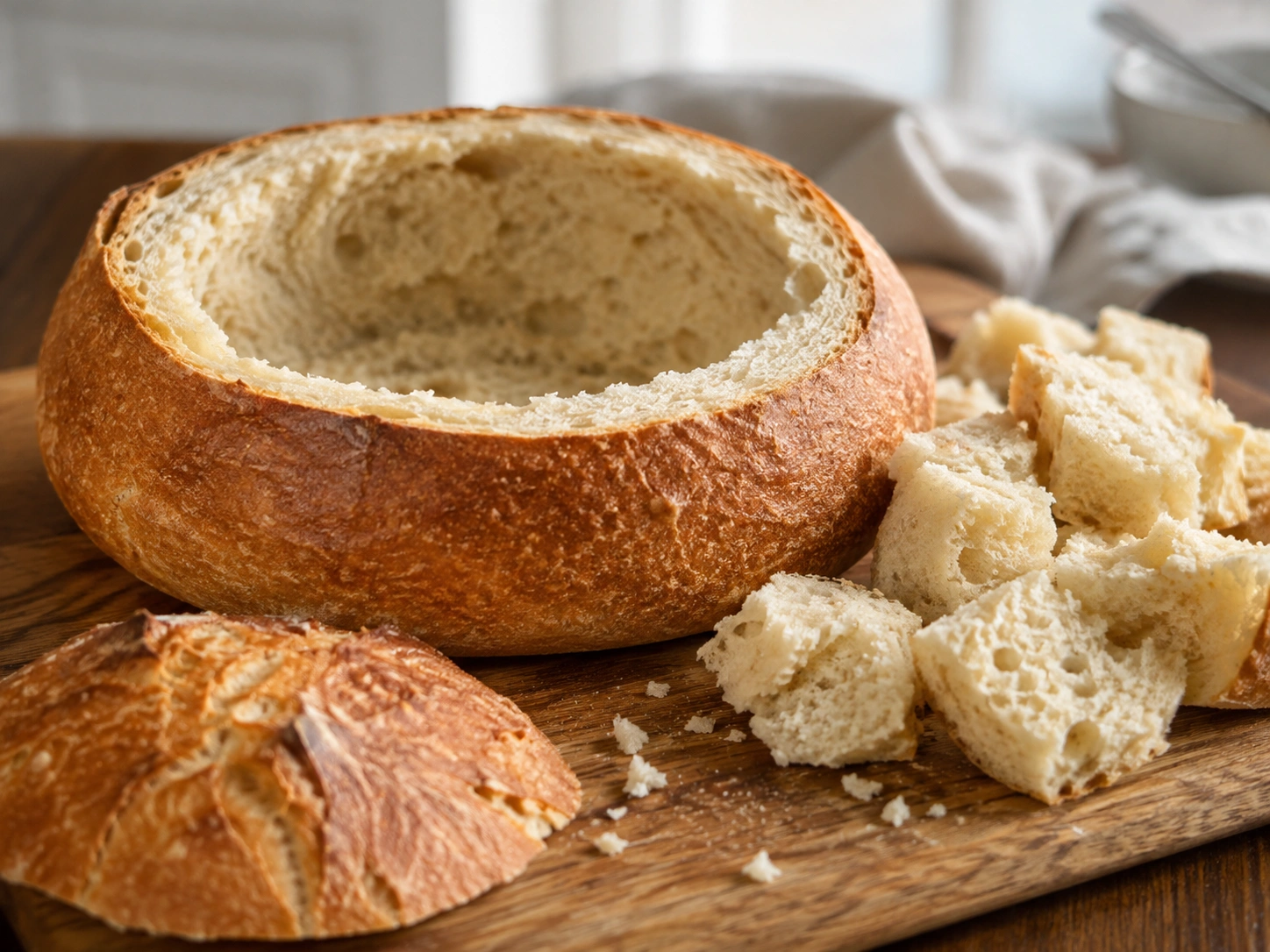
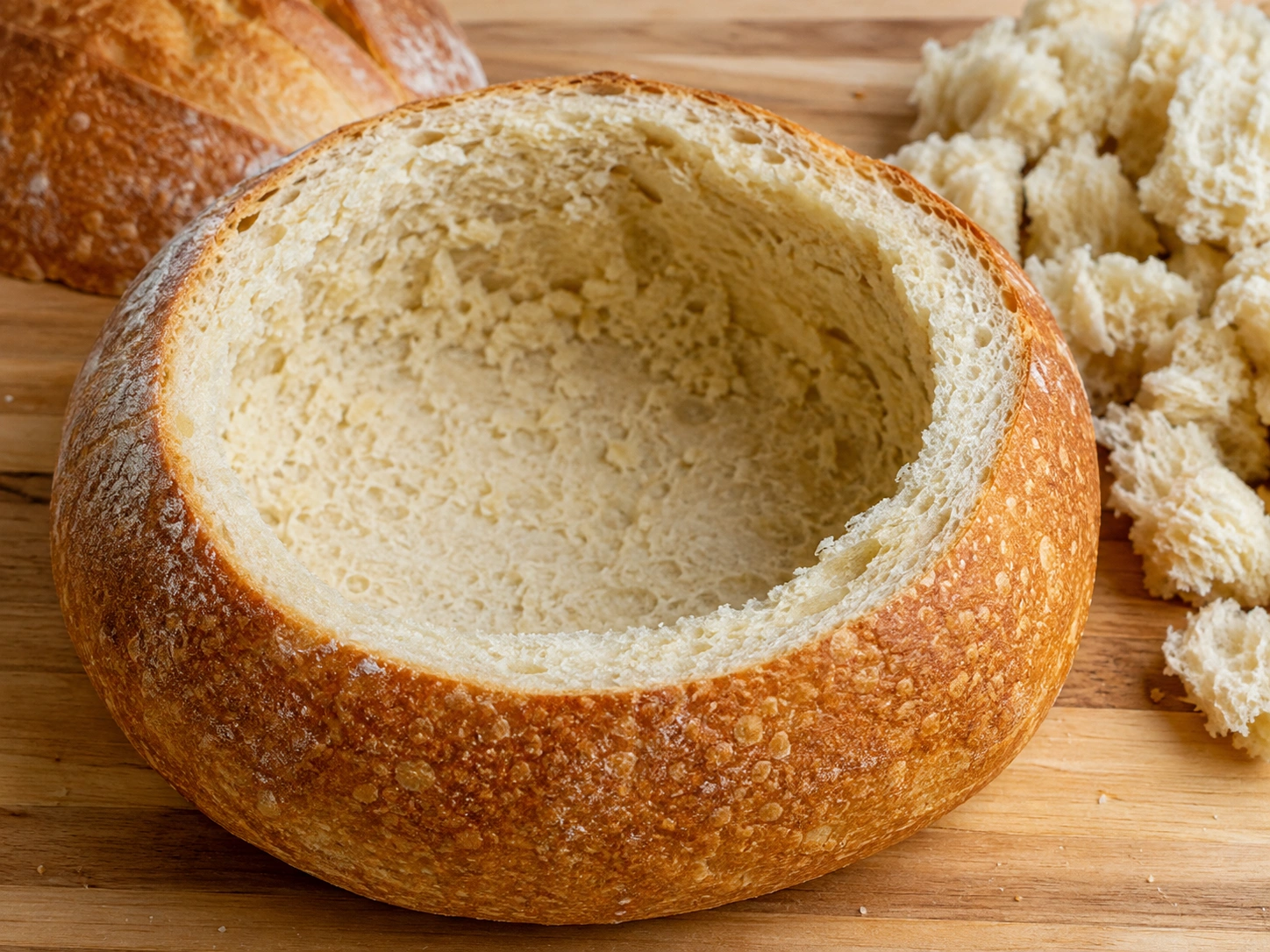
Cut the top off the loaf. Using a serrated knife, cut a circle about 3/4 inch (2cm) in from the edge and lift the lid off. Hollow out the inside, pulling out chunks of bread and leaving a wall about 3/4 inch thick all the way around and along the base — thin enough to leave room for filling, thick enough that it won't tear or collapse once it's warm and holding a wet filling. Tear the removed bread and the lid into bite-sized pieces for dipping.
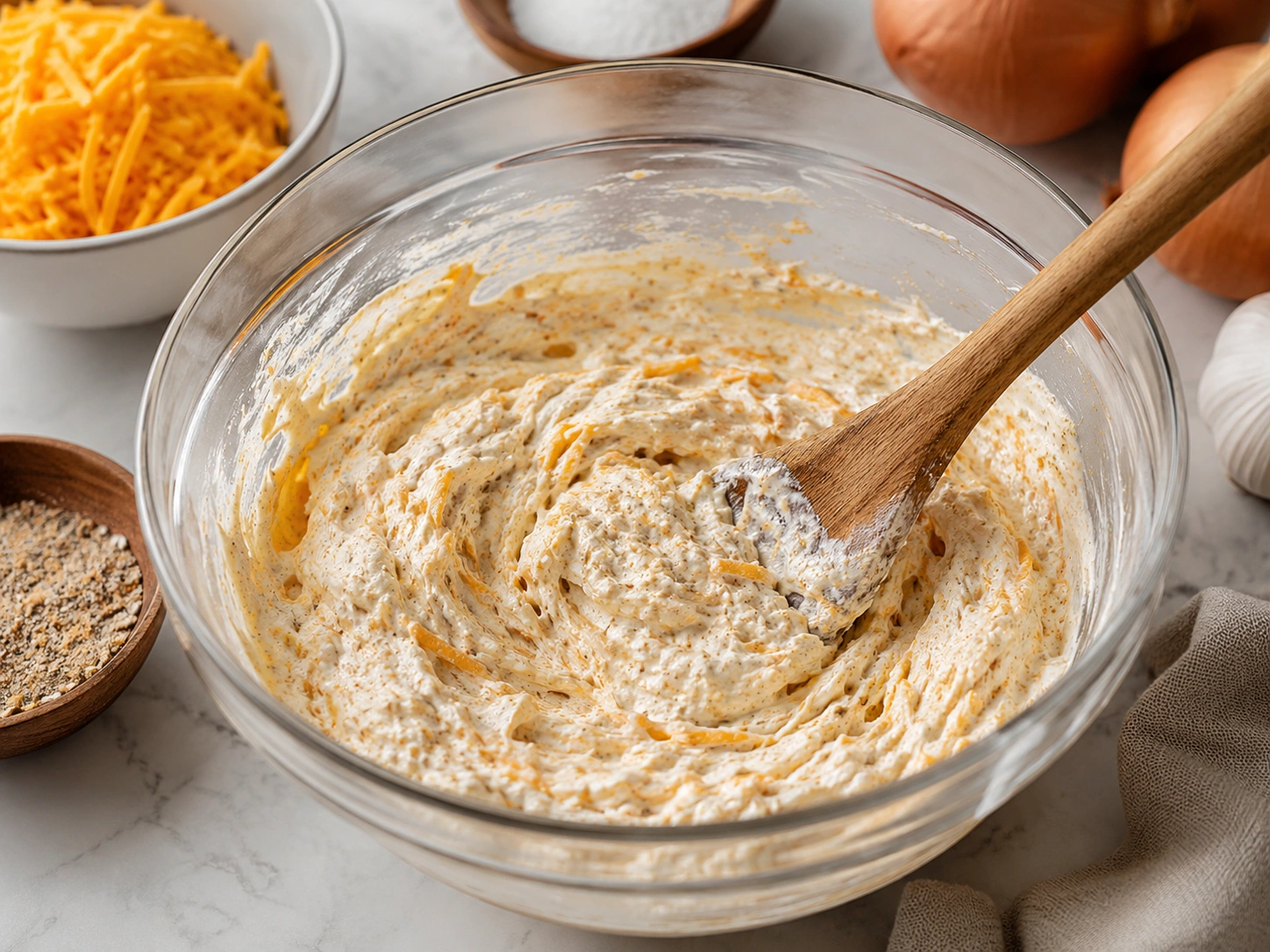
In a mixing bowl, combine the softened cream cheese, sour cream, French onion soup mix, and half the shredded cheese. Stir until smooth and evenly combined — the cream cheese should be fully softened first, or you'll end up with lumps.
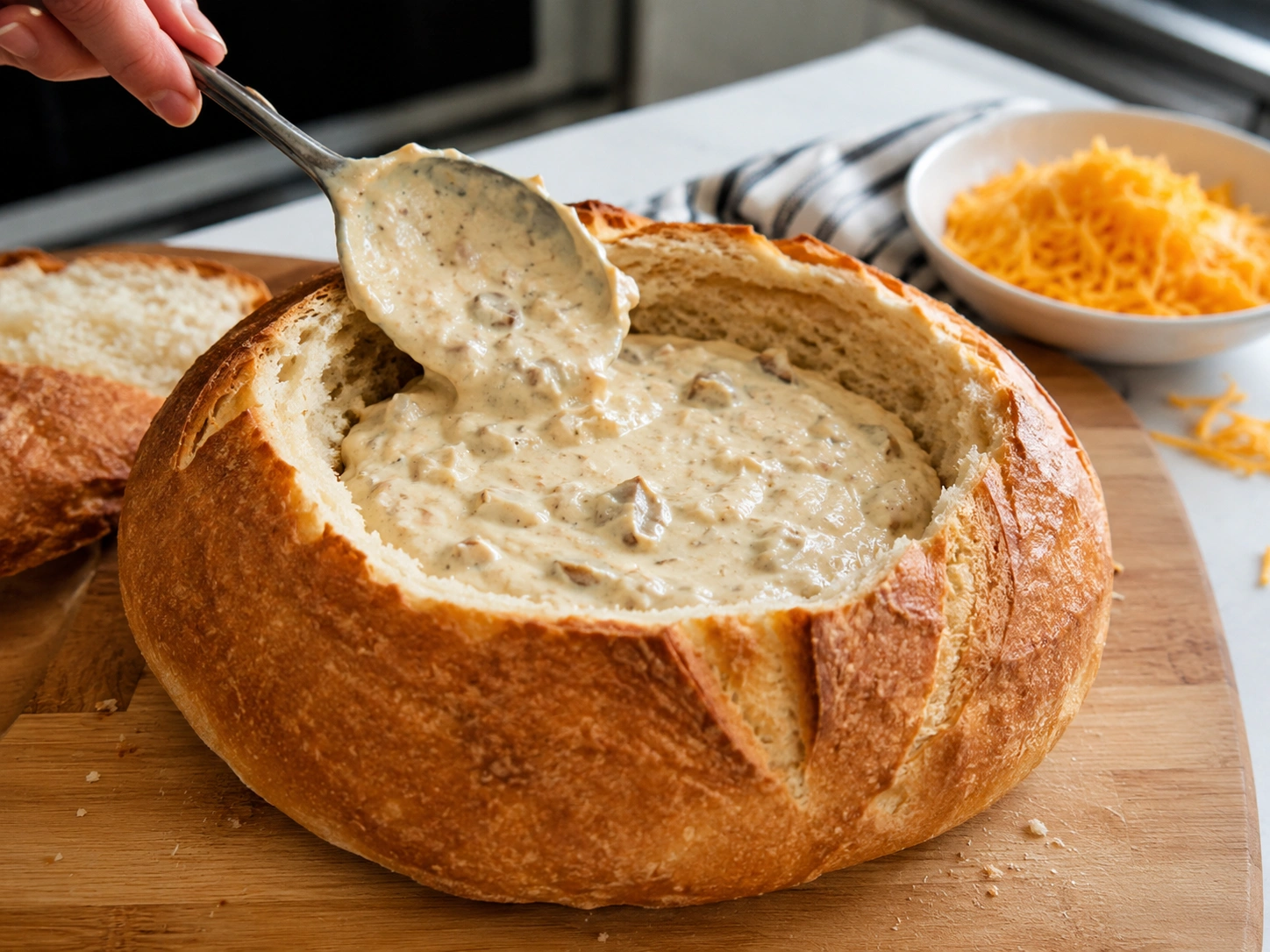
Spoon the mixture into the hollowed-out bread shell and smooth the top with the back of a spoon. Sprinkle the remaining cheese over the surface.
Wrap the filled loaf loosely in foil, leaving the very top uncovered so the cheese on top can brown, and set it on a baking sheet. This keeps the bread walls from drying out and browning too fast while the center heats through.
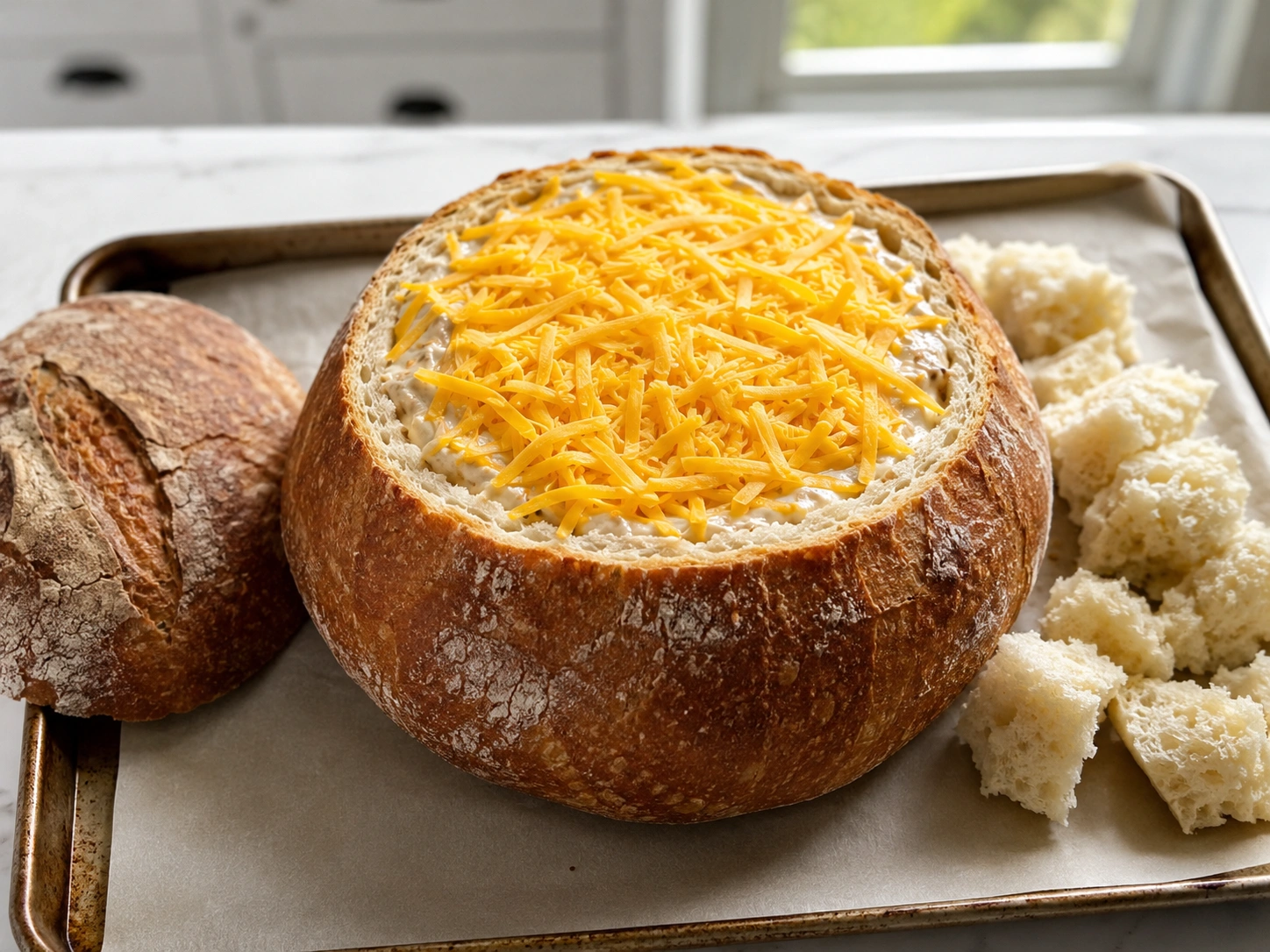
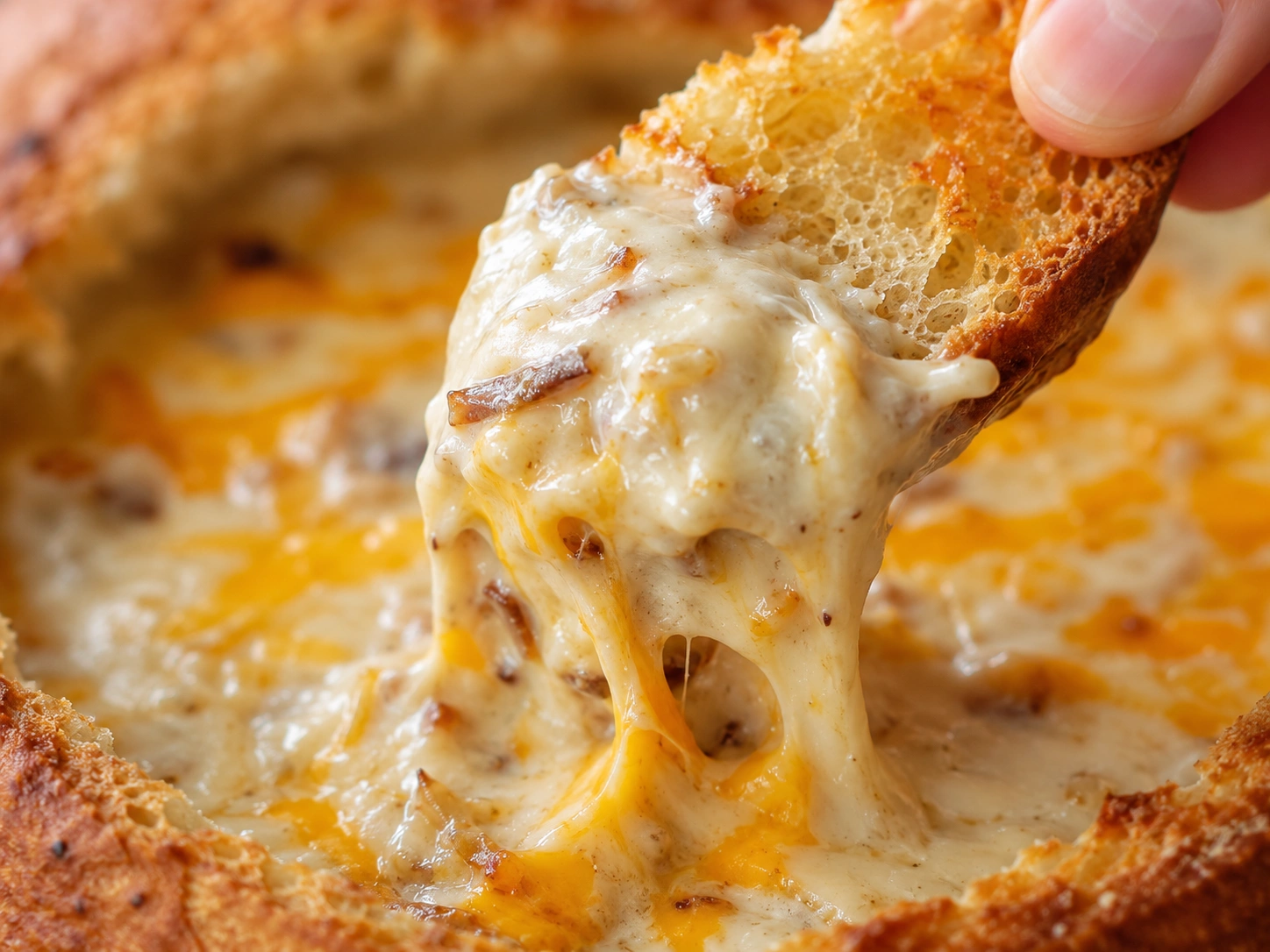
Bake for 30–35 minutes, until the cheese on top is melted and just turning golden brown and the dip is visibly bubbling at the edges — that bubbling is your clearest sign it's hot all the way through, not just warm on top.
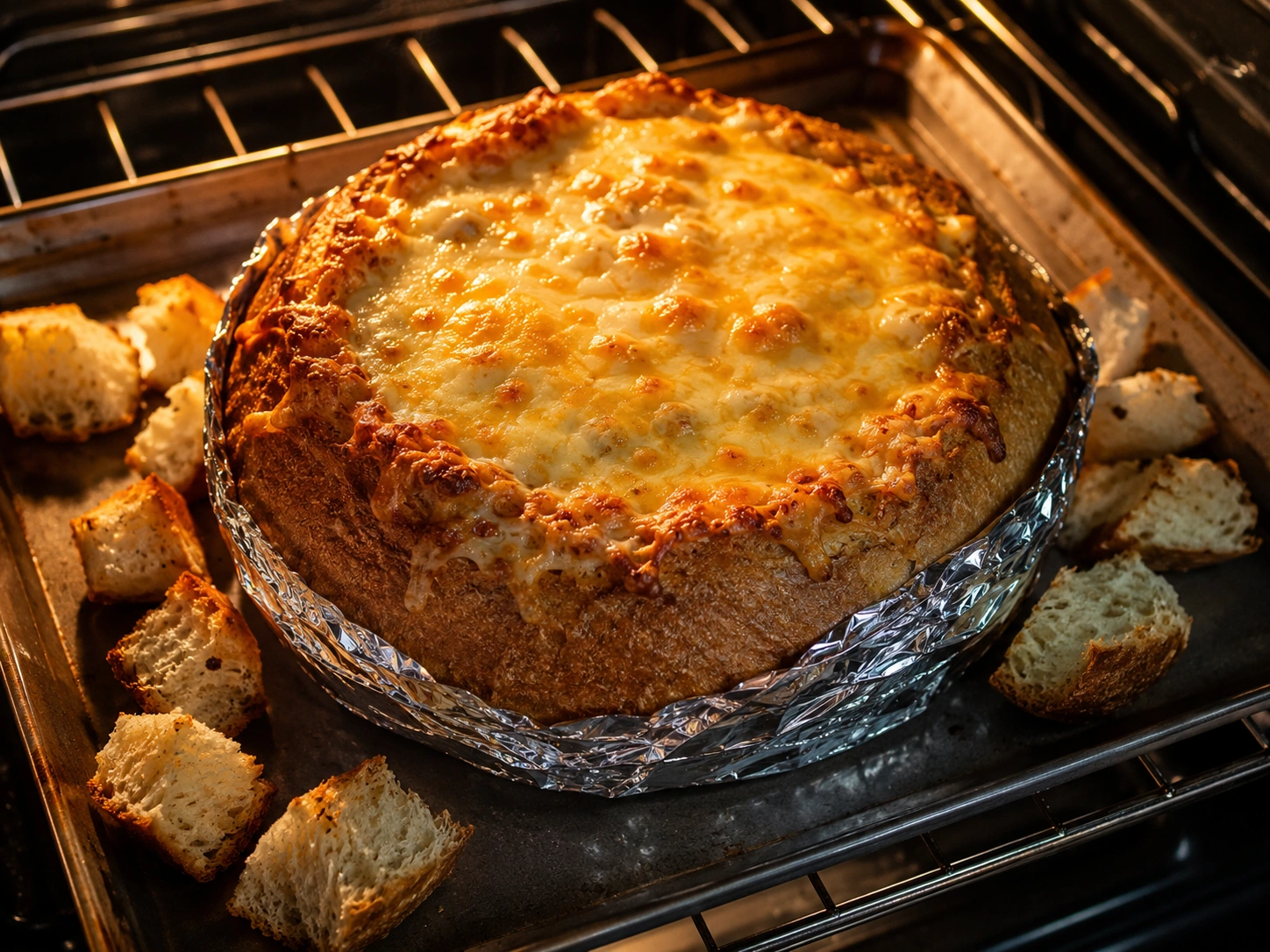
In the last 8–10 minutes, uncover fully and add the torn bread pieces to the same baking sheet so they toast alongside it.
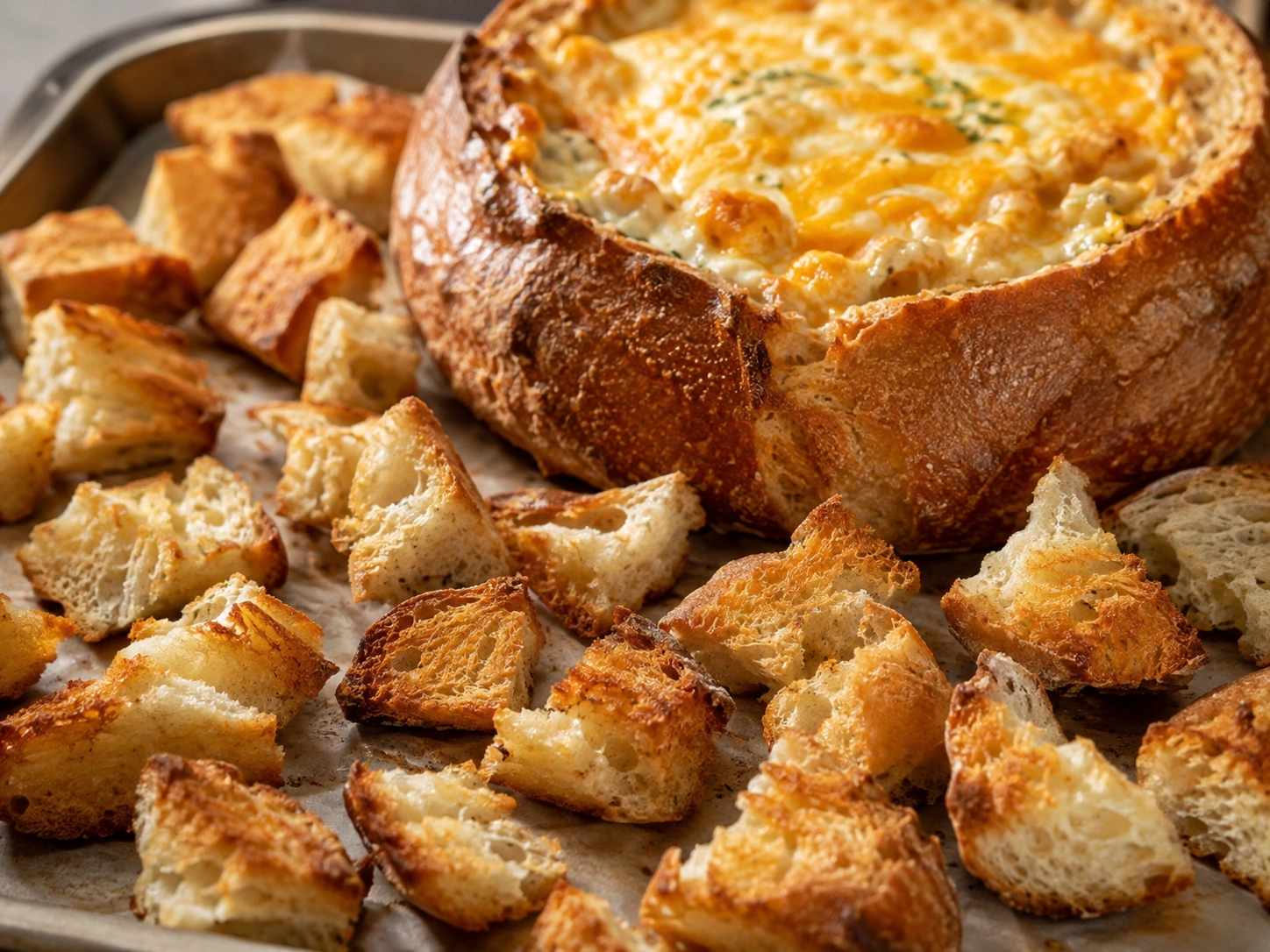
Serve immediately, straight from the baking sheet, with the toasted bread pieces arranged around it for dipping. The dip firms up as it cools, so it's best within the first 20–30 minutes out of the oven.
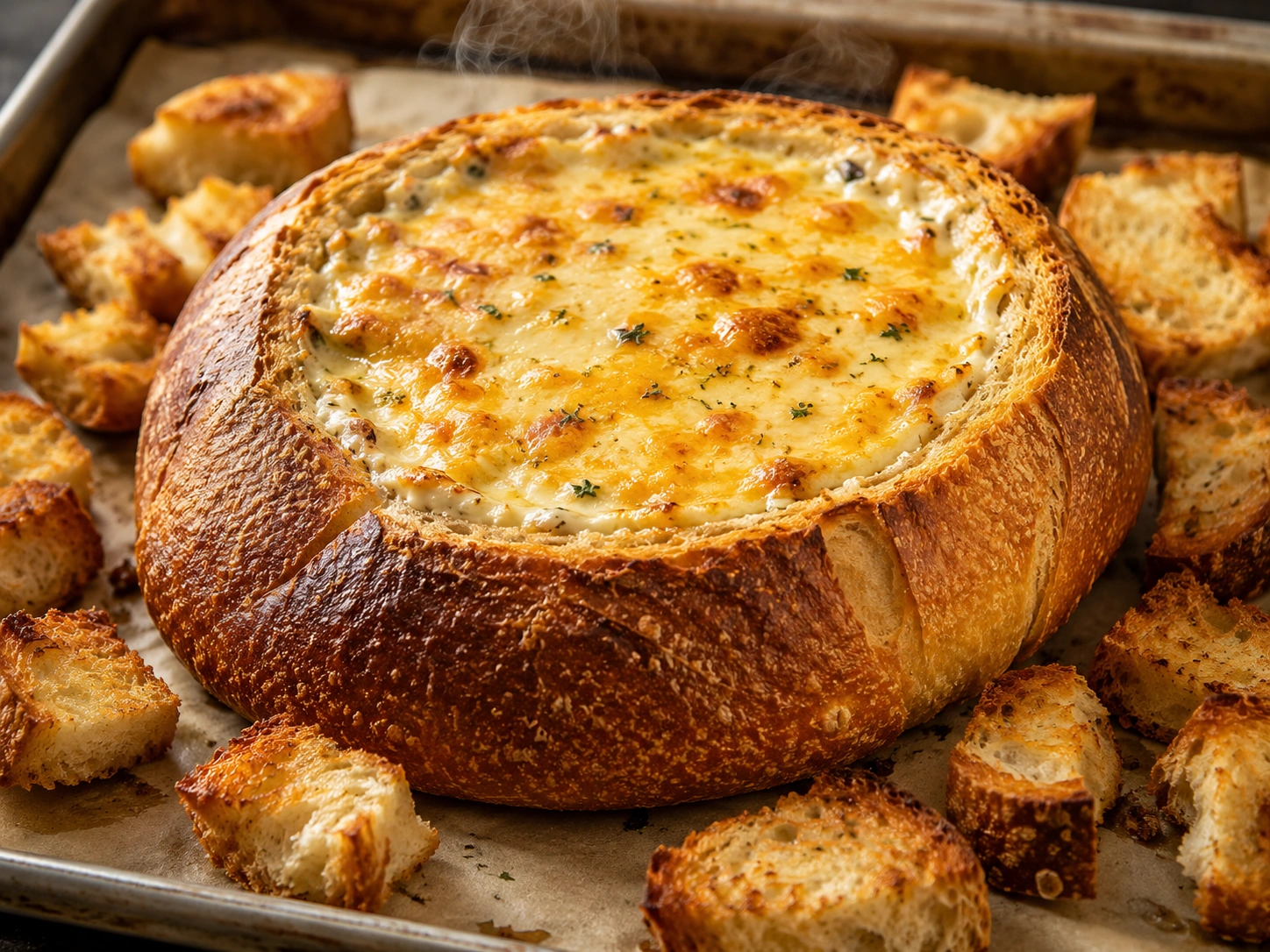
The base of cream cheese and sour cream is a blank canvas. Here are the variations that show up most often at Australian gatherings.
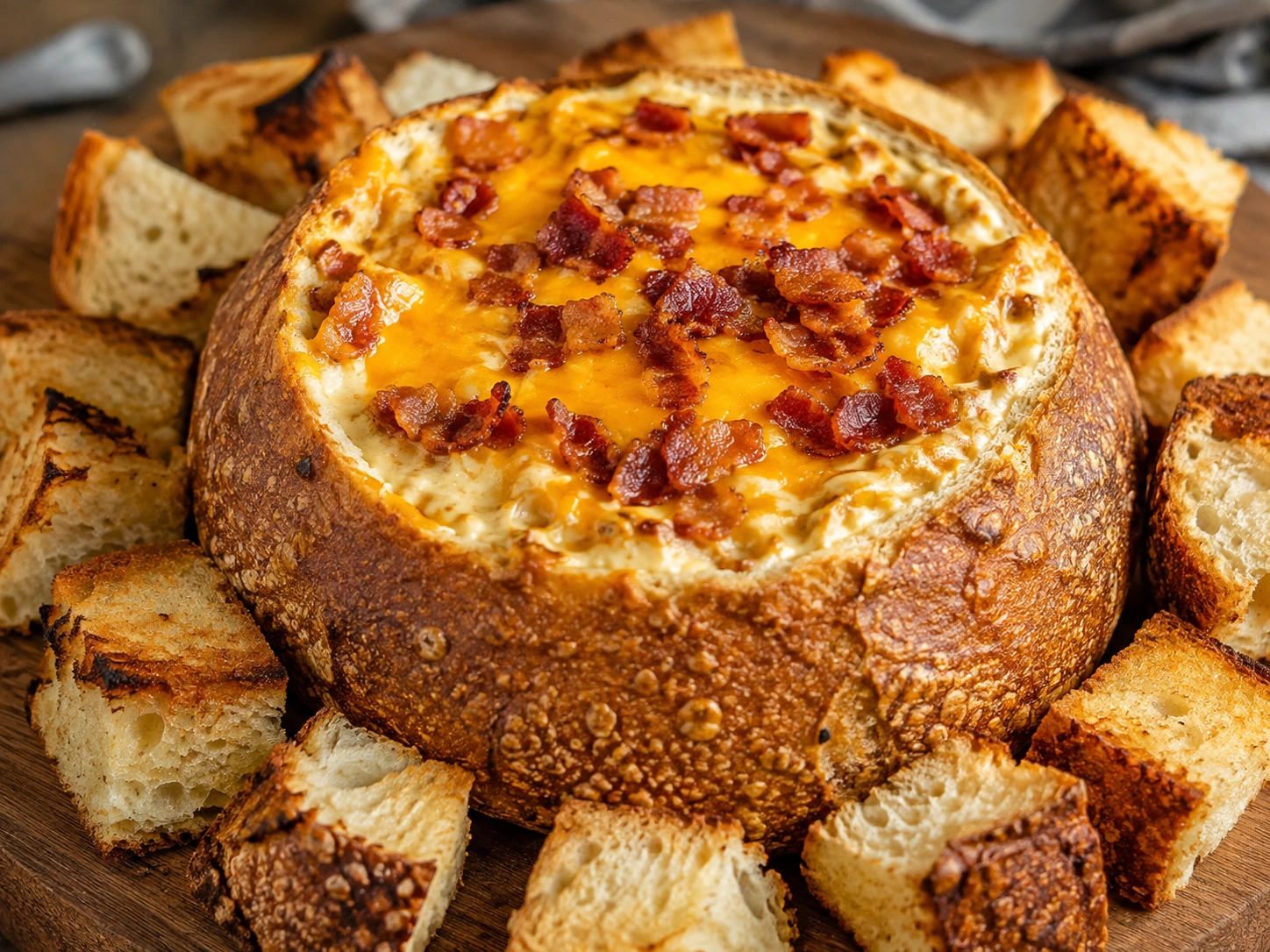
Add half a cup of cooked, crumbled bacon and an extra half cup of shredded cheese to the base mixture. The bacon adds a smoky saltiness that balances the richness of the cream cheese, and the extra cheese gives it a heartier, more indulgent finish — a good option when you want something more filling for a game day spread.
This one leans into a flavor combination American readers already know well. Swap the French onion soup mix for a clove of minced garlic and a pinch of onion powder, then stir in 1 cup of finely chopped, wilted spinach (squeezed dry) and 1 cup of chopped canned or jarred artichoke hearts (well-drained and patted dry) along with the cream cheese, sour cream, and shredded cheese. A quarter cup of grated Parmesan mixed in adds the sharper, saltier edge that spinach artichoke dip is known for. Keep the rest of the method exactly the same — this is a swap in flavor, not in technique.
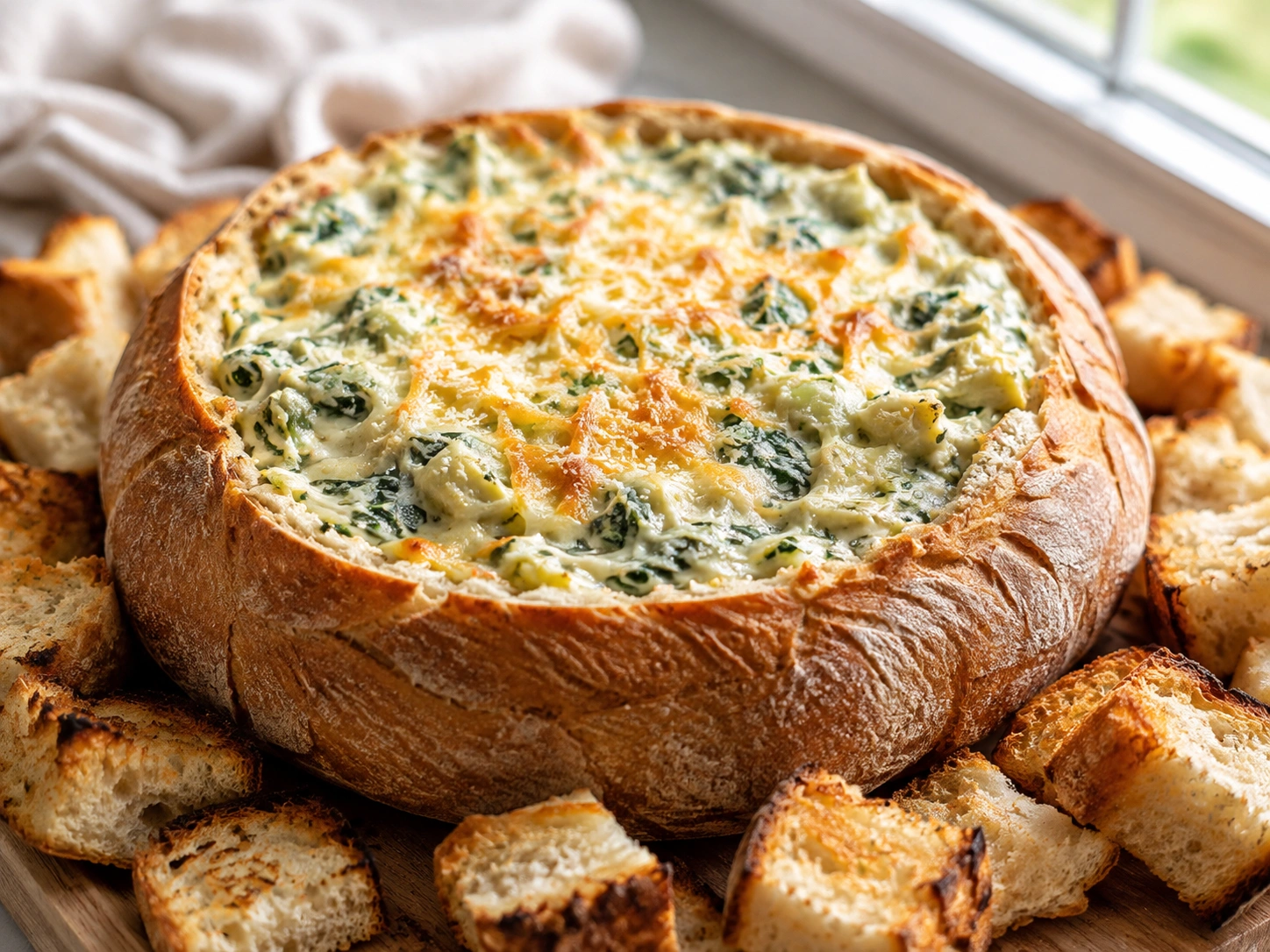
Stir through shredded cooked chicken and two tablespoons of sweet chilli sauce, along with a squeeze of lime. This version leans sweeter and works particularly well at kids' parties or casual get-togethers where a milder, sweeter flavour profile suits more palates.
Swap the French onion soup mix for a taco seasoning packet, add a can of drained corn kernels and finely diced capsicum, and top with grated Mexican-blend cheese. Serve with corn chips alongside the bread for extra texture.
Fold through finely chopped roasted pumpkin, capsicum, and caramelised onion instead of using soup mix as the flavour base, seasoned with garlic and a pinch of smoked paprika. This version tends to be less salty and pairs well with a lighter cracker selection.
Cob loaf dip is genuinely hard to ruin, but there are a handful of predictable issues worth knowing about ahead of time.
This almost always comes from filling the loaf too far ahead of baking, or from a filling that's thinner than it should be. Fill the loaf just before it goes in the oven, and stick with full-fat cream cheese and sour cream so the mixture holds its structure instead of soaking straight into the crumb.
Leave at least 3/4 inch of bread around the sides and base when hollowing it out. Too thin, and the warm, heavy filling can crack or cave in the shell partway through baking.
This usually comes from using low-fat cream cheese or sour cream, which have a higher water content than full-fat versions. Making sure the cream cheese is fully softened (not melted) before mixing also helps it combine evenly instead of separating.
This happens when the loaf bakes uncovered the whole time. Wrap it loosely in foil for most of the bake, leaving just the top exposed, then remove the foil fully for the last 8–10 minutes so the cheese browns right as the center finishes heating through.
Toast them close to serving time rather than well ahead, and toast them in the same oven alongside the loaf for the last 8–10 minutes rather than earlier in the process. If there's a gap before serving, keep them loosely covered with a clean kitchen towel rather than foil, which traps steam and softens them.
Cracking usually means the bread wall was hollowed too thin, or the loaf sat too long with a heavy, wet filling before baking. Keep the wall reasonably thick and get it into the oven soon after filling.
A round loaf with a rounded base can wobble on a flat baking sheet. Sit it inside a shallow oven-proof dish, a cake pan, or a nest of crumpled foil to stabilize it before it goes in the oven.
Dip filling keeps 2 days ahead. Baked leftovers keep covered in fridge for up to 2 days.
Dip filling alone freezes up to 1 month. Do not freeze baked bread bowl.
Oven at 325°F loosely foiled until hot. Avoid microwave to keep bread firm.
Making the filling ahead: The filling mixture can be made up to two days ahead and kept covered tightly in the fridge. This is genuinely useful if you're prepping for a party and want to reduce day-of work — just give it a good stir before filling the loaf, since it can firm up slightly while chilled.
Preparing the bread bowl ahead: Hollow out the loaf on the day you're serving it, ideally within a few hours of baking. Bread left hollowed and exposed to air will start to dry out and go stale well before the filling is even involved.
Refrigerating leftovers: Baked leftovers keep in the fridge, covered, for up to two days. The bread portion softens the longer it sits, so leftovers are best treated as a next-day snack rather than something to serve to guests again.
Freezing the filling: The dip filling on its own freezes reasonably well for up to a month in an airtight container. Thaw it in the fridge overnight and stir well before using, since dairy-based mixtures can separate slightly after freezing.
Freezing the baked bread bowl: This isn't recommended. Once the loaf has been hollowed, filled, and baked, freezing and reheating leaves the bread noticeably soggy and the texture doesn't recover. It's better to freeze just the filling and assemble everything fresh.
Reheating the dip: Reheat gently in the oven at around 325°F, loosely covered in foil, until warmed through. The microwave heats the dip unevenly and turns the bread soft and soggy, so it's worth the extra few minutes in the oven.
Beyond the bread pieces pulled from the loaf itself, cob loaf dip pairs well with:
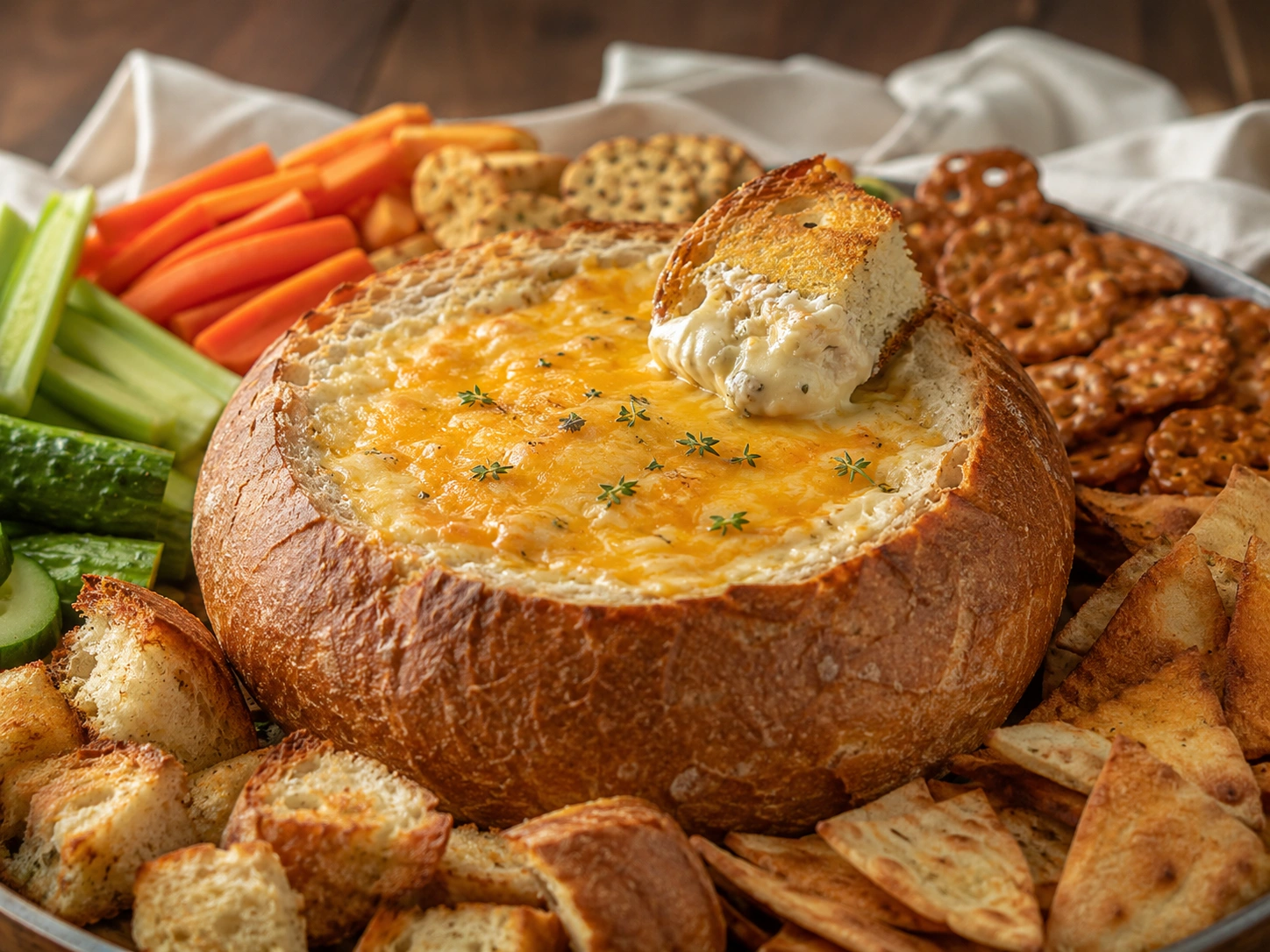
Serving it on a wooden board or platter with the extras arranged around the loaf makes for a good-looking centerpiece without any extra effort. It's an easy fit for game day and Super Bowl spreads, holiday appetizer tables at Thanksgiving or Christmas, potlucks, tailgates, or just casual entertaining where people are grazing rather than sitting down to a full plate.
Cob loaf dip — or bread bowl dip, if that's the term you know it by — earns its place at parties because it does more with less: one loaf, a handful of pantry staples, and half an hour in the oven produce something that feels generous and communal in a way that individually plated food doesn't. Once you've made the classic version a few times, the variations become an easy way to match the dip to the occasion — spinach artichoke for a familiar crowd-pleaser, bacon and cheese for a heartier game day spread, Mexican-style for something spicier.
If you're making one for the first time, start with the classic French onion version. It's a forgiving starting point and a good way to learn how the bread, filling, and baking time work together before you start adapting it.
Preheat your oven to 350°F (175°C) conventional, or 325°F (165°C) if using convection.
Cut a circle about 3/4 inch (2cm) in from the edge of the loaf and lift off the lid. Hollow out the inside leaving a 3/4-inch wall and base. Tear removed bread and lid into bite-sized pieces for dipping.
In a mixing bowl, combine softened cream cheese, sour cream, French onion soup mix, and half the shredded cheddar. Stir until smooth and lump-free.
Spoon the mixture into the bread shell and smooth the top. Sprinkle the remaining cheese evenly over the surface.
Wrap the loaf loosely in foil, leaving the very top uncovered so the cheese can brown. Place on a baking sheet.
Bake for 30–35 minutes until the cheese is melted and lightly browned, and the dip is visibly bubbling at the edges.
In the last 8–10 minutes, uncover fully and add the torn bread pieces to the baking sheet to toast alongside the loaf.
Garnish with fresh chives if desired and serve immediately with toasted bread pieces arranged around the loaf.
Baking
Savory Australian baked slice with zucchini, bacon, and cheddar cheese that never turns soggy.
 Baking
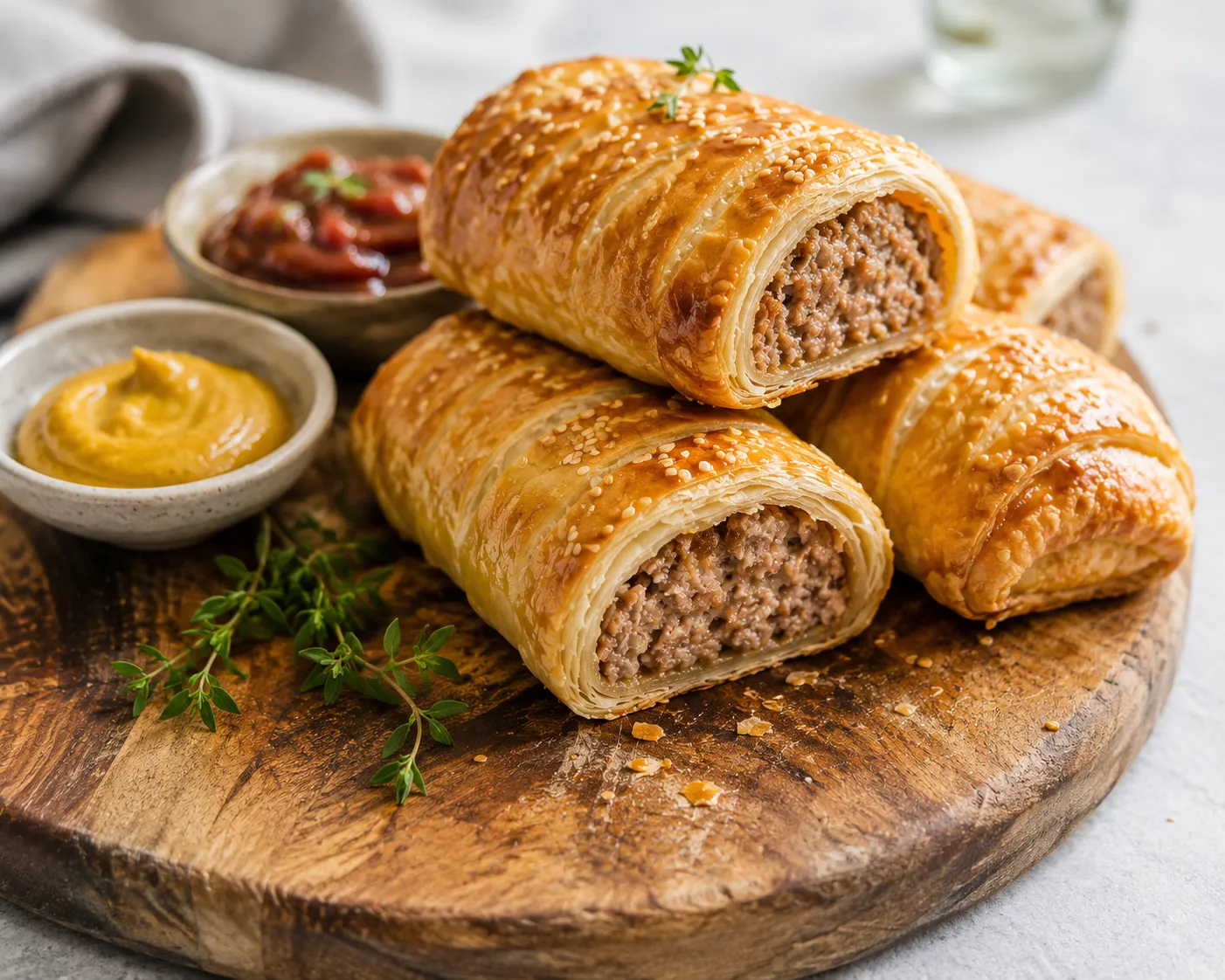
Flaky all-butter puff pastry wrapped around savory seasoned pork filling with crisp golden tops.
 Condiments
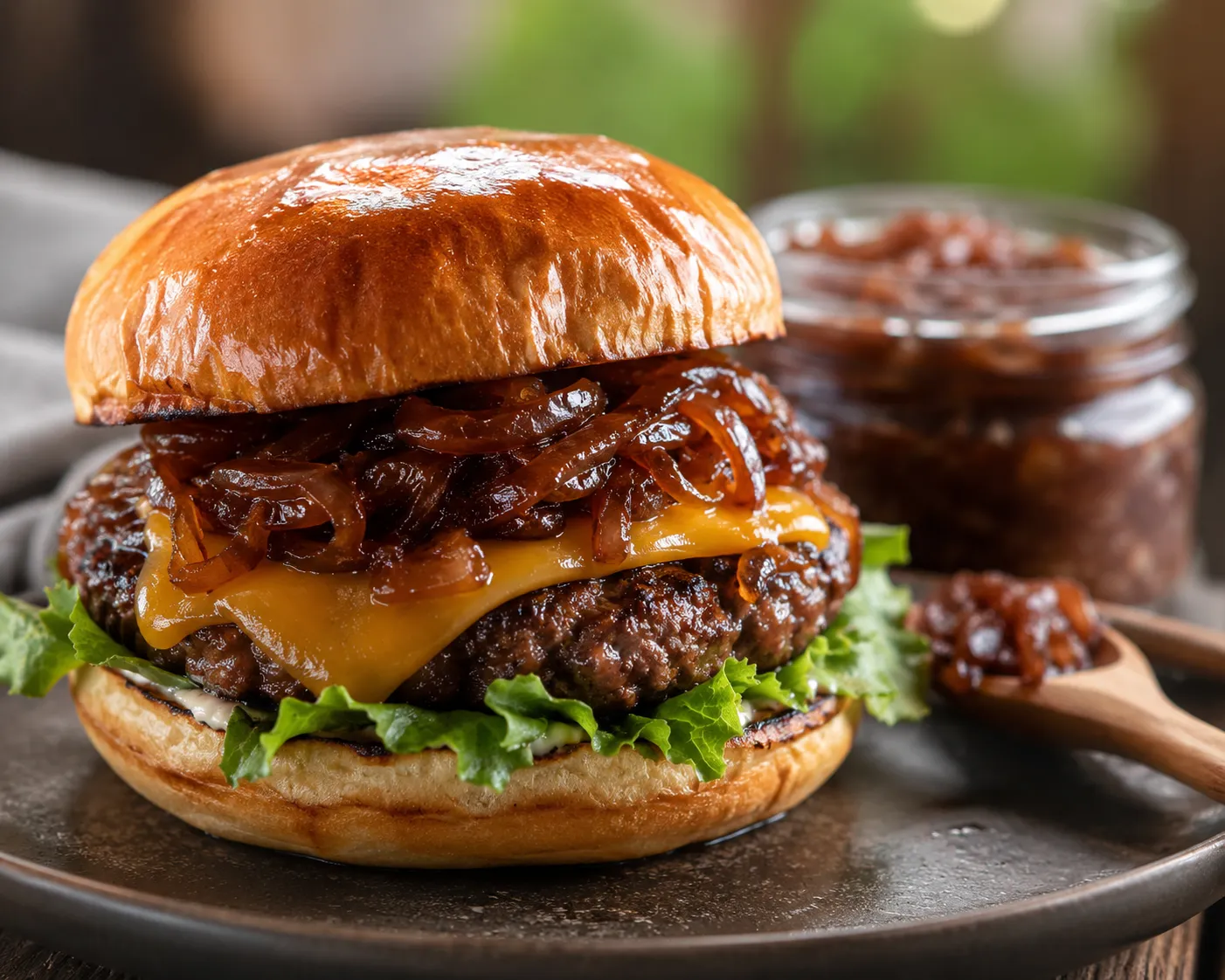
Sweet and savory caramelized onion jam that pairs perfectly with crusty bread, cheeses, and dips.