When summer hits its peak, nothing commands the dinner table like a vibrant, sun-drenched mango cheesecake. It delivers everything you want in a high-end dessert: the buttery crunch of a golden biscuit base, an ethereal mousse-like cream cheese filling infused with real fruit, and that hypnotic, glass-like mango mirror glaze on top.
Unlike heavy baked New York cheesecakes that risk surface cracking or water bath disasters, this no-bake method is clean, foolproof, and completely oven-free. By balancing the acidity of ripe mangoes with precise gelatin hydration, you achieve a structure that slices like chilled butter while melting like silk on the tongue.
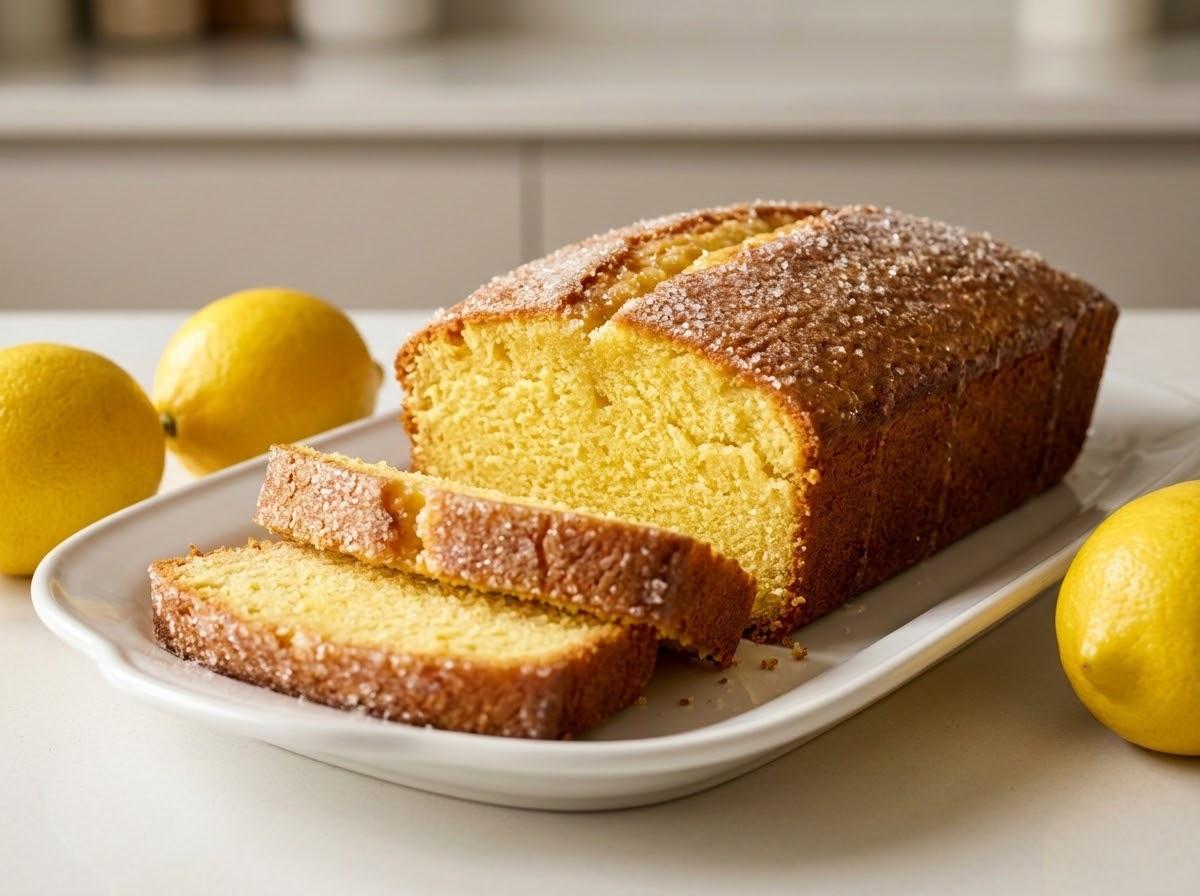
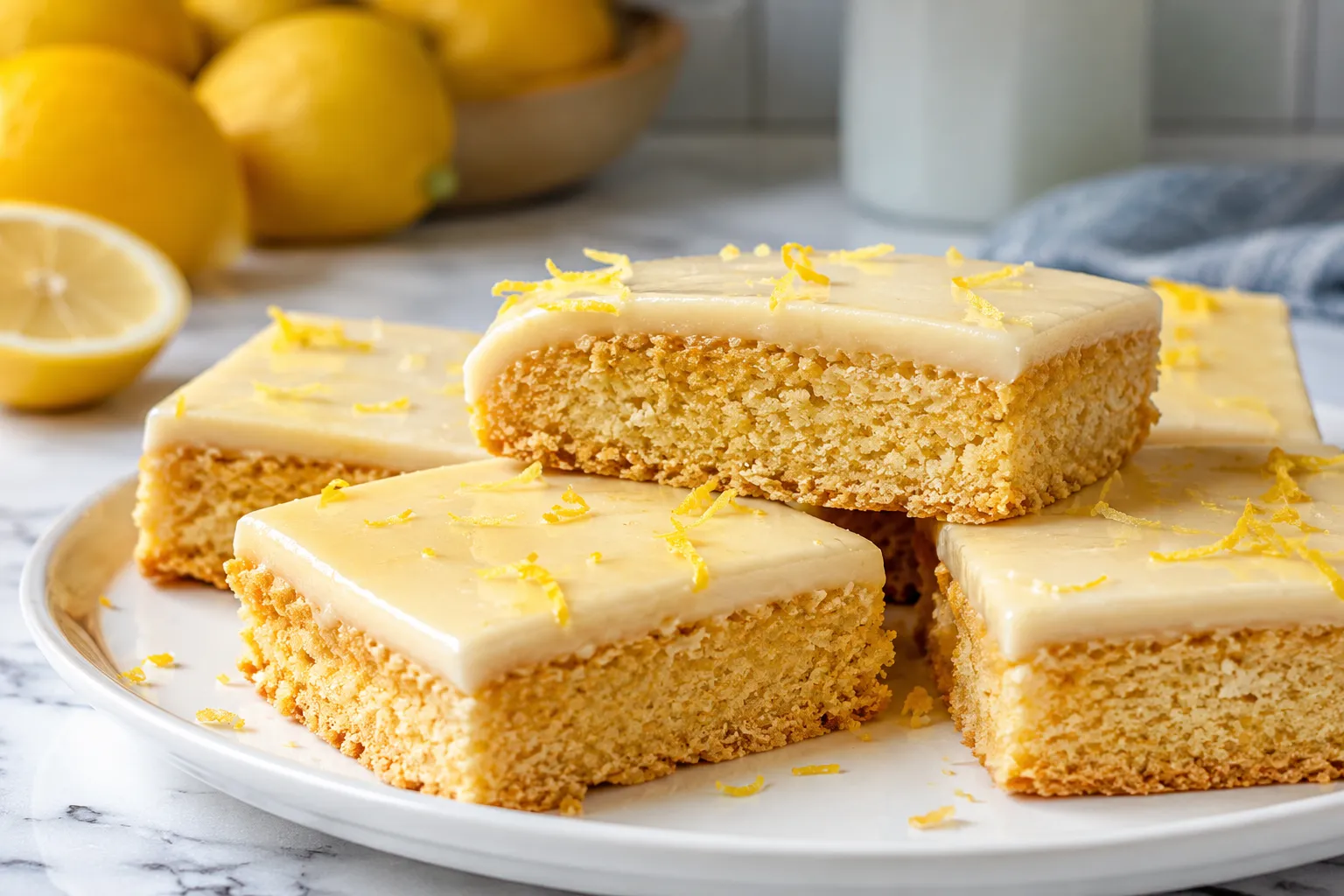
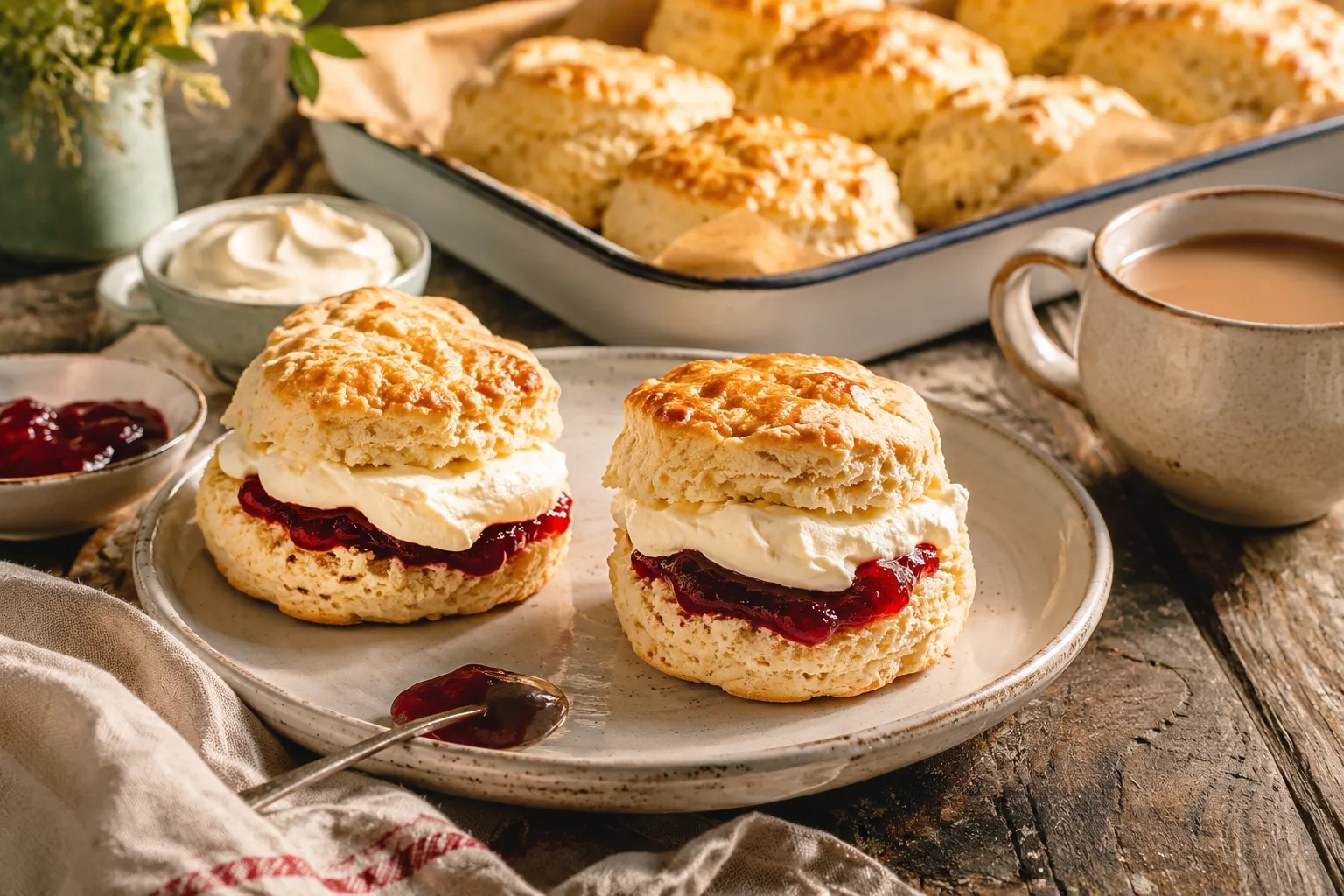
If you love vibrant citrus and fruit baking, check out our famous Lemon Drizzle Cake, Aussie No-Bake Lemon Slice, and tall 3-Ingredient Lemonade Scones.
The Chemistry of a Perfect No-Bake Set
Why do some no-bake cheesecakes collapse into a puddle as soon as they reach room temperature? Fresh mangoes contain high levels of water and natural enzymes. If you simply fold mango puree into cream cheese, the moisture prevents the fat globules from forming a firm emulsion.
The 3-Step Blooming Rule
Always sprinkle powdered gelatin over cold water (1:3 ratio) and rest for 5 minutes. Gently warm until completely clear before tempering with a few spoonfuls of the mango batter. This guarantees smooth dispersion without rubbery gelatin threads.
Ingredient Selection: Fresh vs. Canned Mangoes
- Mango Puree: Kensington Pride, Calypso, or Alphonso mangoes offer deep perfume and low fibrous strands. Puree smooth in a blender and strain through a sieve.
- Block Cream Cheese: Use full-fat brick cream cheese (Philadelphia). Spreadable tub cream cheese contains added water and gums that soften the set.
- Heavy Whipping Cream: Cream with 35% or higher milkfat whips into stable medium peaks, giving the cheesecake its cloud-like mousse texture.
- Digestive Biscuits: Classic McVitie's Digestives or Graham crackers provide a malty, buttery contrast to the sweet mango.
- Lemon Juice: A squeeze of fresh lemon juice sharpens the mango fruit sugars and enhances the cream cheese tang.

Fresh Kitchen Ingredients: Full-fat cream cheese, ripe mangoes, whipping cream, digestive biscuits, and gelatin
Step-by-Step Assembly Method
Build the Compact Biscuit Base
Crush 200g digestive biscuits to a fine sandy crumb. Combine with 90g melted butter. Press firmly and evenly across the bottom of a greased and parchment-lined 8-inch (20cm) springform pan. Place in the freezer to set firm while making the filling.
Beat Cream Cheese and Mango Puree
In a stand mixer, beat 500g softened cream cheese and 100g caster sugar for 3 minutes until velvety and completely smooth. Pour in 350g strained mango puree, 1 tablespoon lemon juice, and vanilla extract. Beat on low speed until combined.
Incorporate Gelatin and Fold Whipped Cream
Whip 300ml cold heavy cream to soft medium peaks. Melt bloomed gelatin in the microwave for 15 seconds, then quickly whisk into the cream cheese batter. Gently fold in the whipped cream with a flexible spatula in two additions to keep the batter airy.
Pour and Add Mirror Jelly Glaze
Pour the cheesecake filling over the cold crust. Tap the pan firmly on the countertop three times to dislodge air bubbles. Chill for 2 hours. Gently pour the lukewarm mango jelly glaze over the top using the back of a spoon to prevent cratering. Refrigerate for at least 6 hours (or overnight) before slicing.
Mistakes That Ruin No-Bake Cheesecakes
Using Cold Cream Cheese
Cold cream cheese creates permanent tiny white lumps throughout the batter. Always let blocks sit at room temperature for at least 60 minutes before mixing.
Pouring Hot Jelly on Cold Cheesecake
If your mango jelly glaze is hot, it will melt the top layer of cream cheese, resulting in cloudy streaks. Cool jelly to lukewarm room temperature before pouring.

Dessert Perfection: Garnish with fresh mango curls, mint leaves, and serve chilled.
Frequently Asked Questions
What type of mango is best for mango cheesecake? +
Sweet, aromatic varieties with low stringy fiber work best. In Australia, Kensington Pride, Calypso, or Honey Gold are ideal. In international markets, canned Alphonso or Kesar mango puree produces vivid color and sublime flavor.
Can I make this mango cheesecake without gelatin? +
Gelatin is required here because pureed fresh mango adds substantial liquid to the batter. Without a setting agent like gelatin or agar-agar, the cheesecake will remain too soft to slice neatly.
How do I substitute agar-agar for gelatin in mango cheesecake? +
Use 1 teaspoon of agar-agar powder in place of 1 tablespoon of gelatin powder. Dissolve agar-agar in 1/4 cup water and simmer gently for 2 minutes on the stovetop to activate before whisking into the batter.
Why is my cheesecake filling lumpy? +
Lumps happen when cold cream cheese is beaten. Always bring block cream cheese to full room temperature (about 20°C / 68°F) before beating with sugar.
How do I release a no-bake cheesecake cleanly from a springform pan? +
Line the base with parchment paper and the inner sides with acetate cake collar strips. Alternatively, wrap a hot, damp kitchen towel around the metal pan for 20 seconds before unlatching the spring.
How long does no-bake mango cheesecake take to set? +
It requires a minimum of 6 hours in the refrigerator, but setting overnight (12 hours) produces the cleanest slices and best structural integrity.
Can I use canned mango pulp instead of fresh mangoes? +
Yes, canned Alphonso mango pulp works wonderfully. Because canned pulp often contains added sugar, reduce the caster sugar in the recipe from 100g to 70g.
How long will mango cheesecake keep in the fridge? +
Stored in an airtight cake caddy or covered loosely with foil, this cheesecake stays fresh and delicious for up to 4 days in the refrigerator.
Can you freeze a no-bake mango cheesecake? +
You can freeze the cheesecake base without the top jelly glaze for up to 1 month. Thaw overnight in the fridge, then add the fresh mango jelly mirror glaze before serving.
Why did my mango jelly layer slide off the cheesecake? +
If the cheesecake layer is frozen rock solid or warm when the jelly is poured, the layers will not bond. Pour lukewarm jelly onto a lightly chilled cheesecake base.