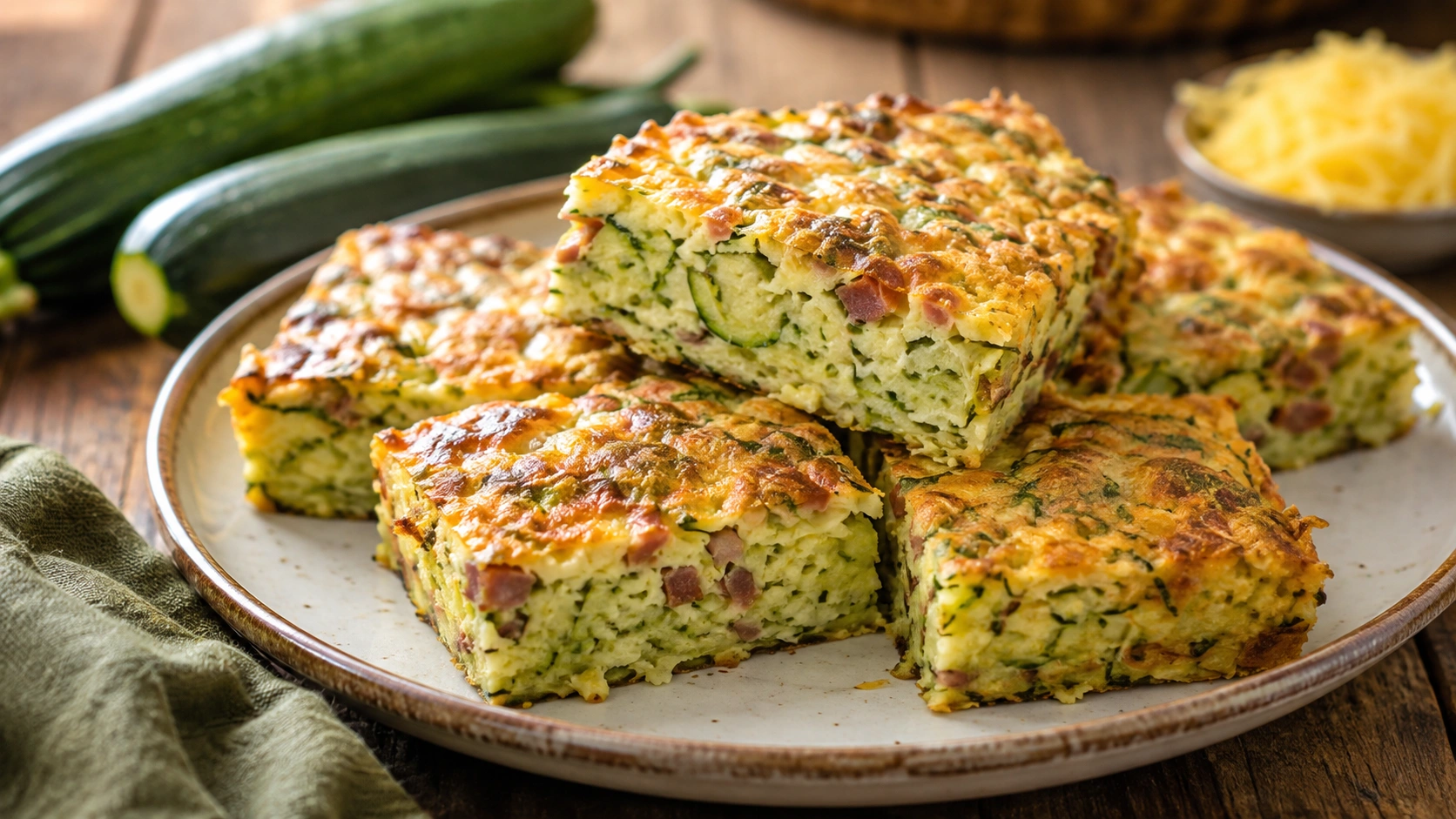
 Baking
Zucchini Slice: The Complete Guide
Savory Australian baked slice with zucchini, bacon, and cheddar cheese that never turns soggy.
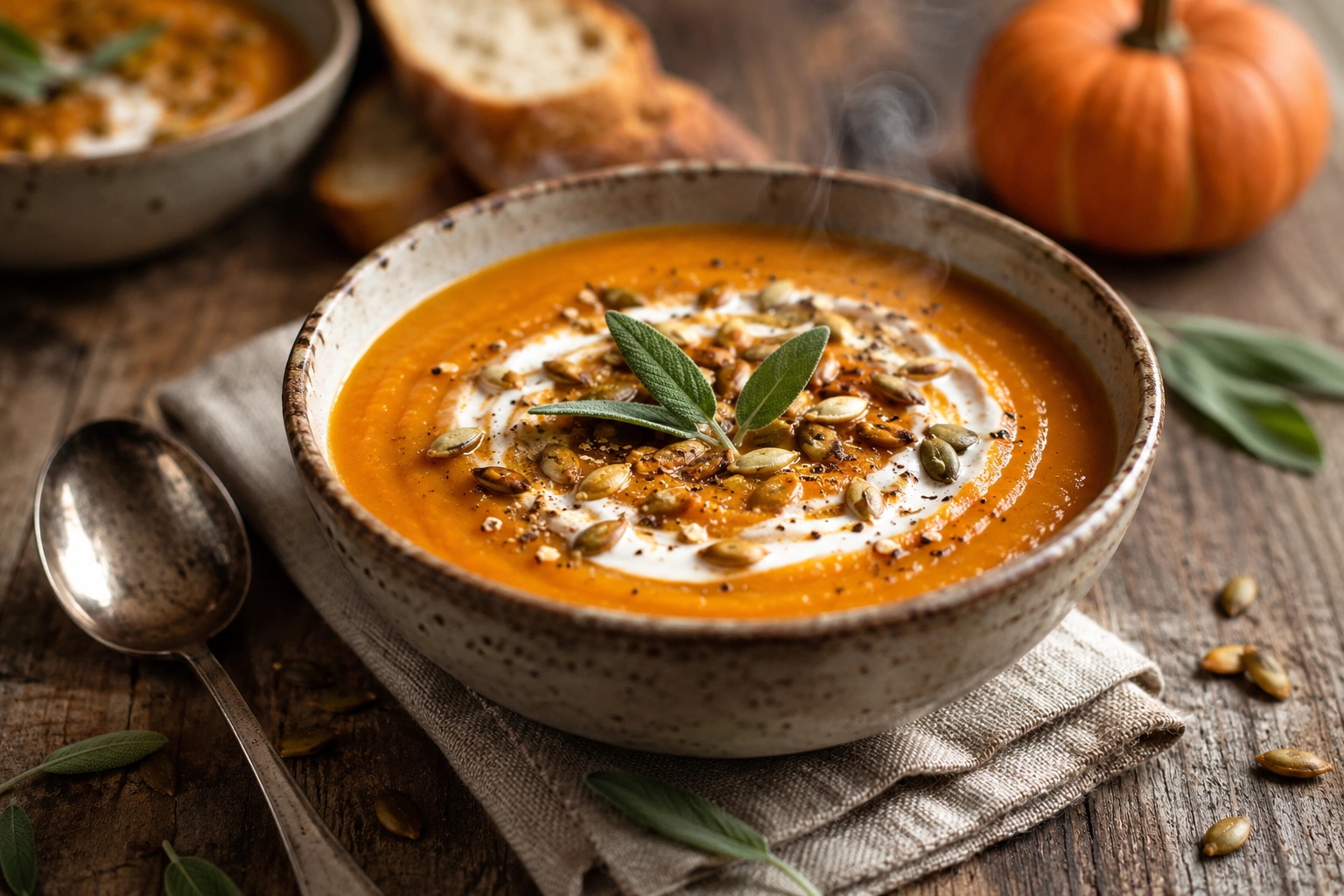
Most pumpkin soup recipes taste like orange water with a vague squash aftertaste. That's not an insult to your cooking — it's a flaw baked into the recipes themselves. They skip the roasting step, drown the pumpkin in too much broth, and forget that pumpkin needs help from acid, fat, and salt to taste like anything at all.
This guide fixes that. You'll get a foolproof method, the reasoning behind every step, ingredient swaps that actually work, and answers to the questions people search for but rarely get real answers to — like whether canned pumpkin is "cheating" (it isn't) and why your soup keeps turning out watery no matter how long you simmer it.
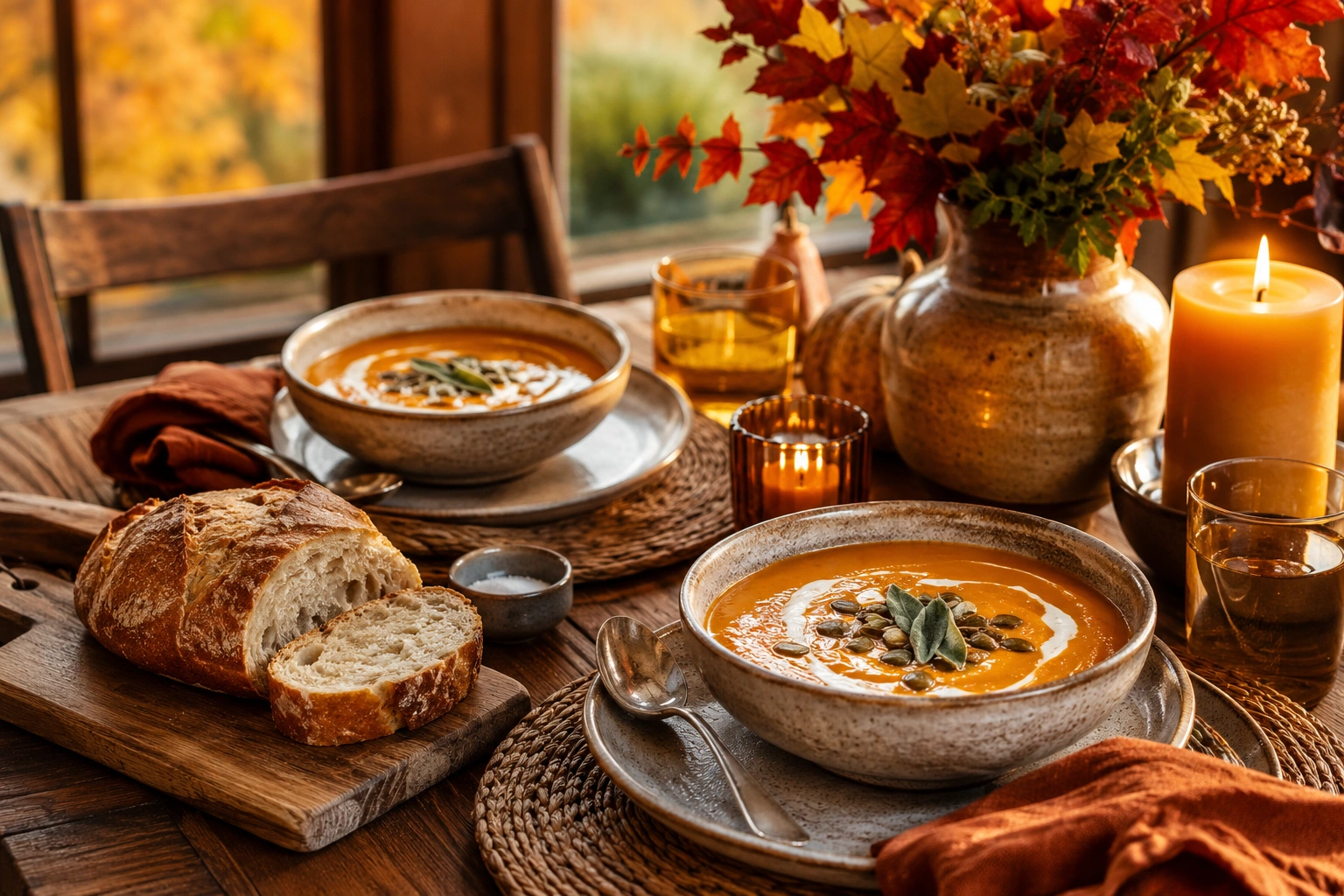
Pumpkin is mostly water and starch, with very little natural sugar or fat. Left on its own, it tastes like nothing — which is why so many bowls of pumpkin soup taste like warm baby food.
Three things fix this every time:
Boiling pumpkin leaches flavor into the water and leaves you with waterlogged flesh. Roasting concentrates the sugars and adds caramelization you can't get any other way.
A pat of butter, a swirl of cream, or a spoon of coconut milk carries flavor across your tongue in a way that broth alone cannot.
A small squeeze of lime or a splash of apple cider vinegar right before serving wakes the whole pot up. Skip this and the soup tastes flat, even if everything else is right.
Not all pumpkins are created equal, and this is where a lot of recipes mislead people.
The big ones you buy for jack-o'-lanterns are stringy, watery, and mostly bred for size and appearance, not flavor. Skip them for soup.
Sometimes labeled "pie pumpkins" — smaller, denser, and sweeter. If you're roasting fresh pumpkin, this is the one to buy.
Canned pumpkin puree is not a downgrade. It's cooked down, concentrated, and consistent — professional kitchens use it constantly for exactly that reason. Just make sure the label says "100% pumpkin," not "pumpkin pie filling," which comes pre-spiced and sweetened and will wreck a savory soup.
Technically isn't pumpkin, but it behaves almost identically in soup and many people prefer its sweeter, nuttier flavor. If a recipe calls for pumpkin and you only have butternut, don't hesitate to swap.
This makes about 6 servings and takes roughly 45 minutes, most of it hands-off roasting time.
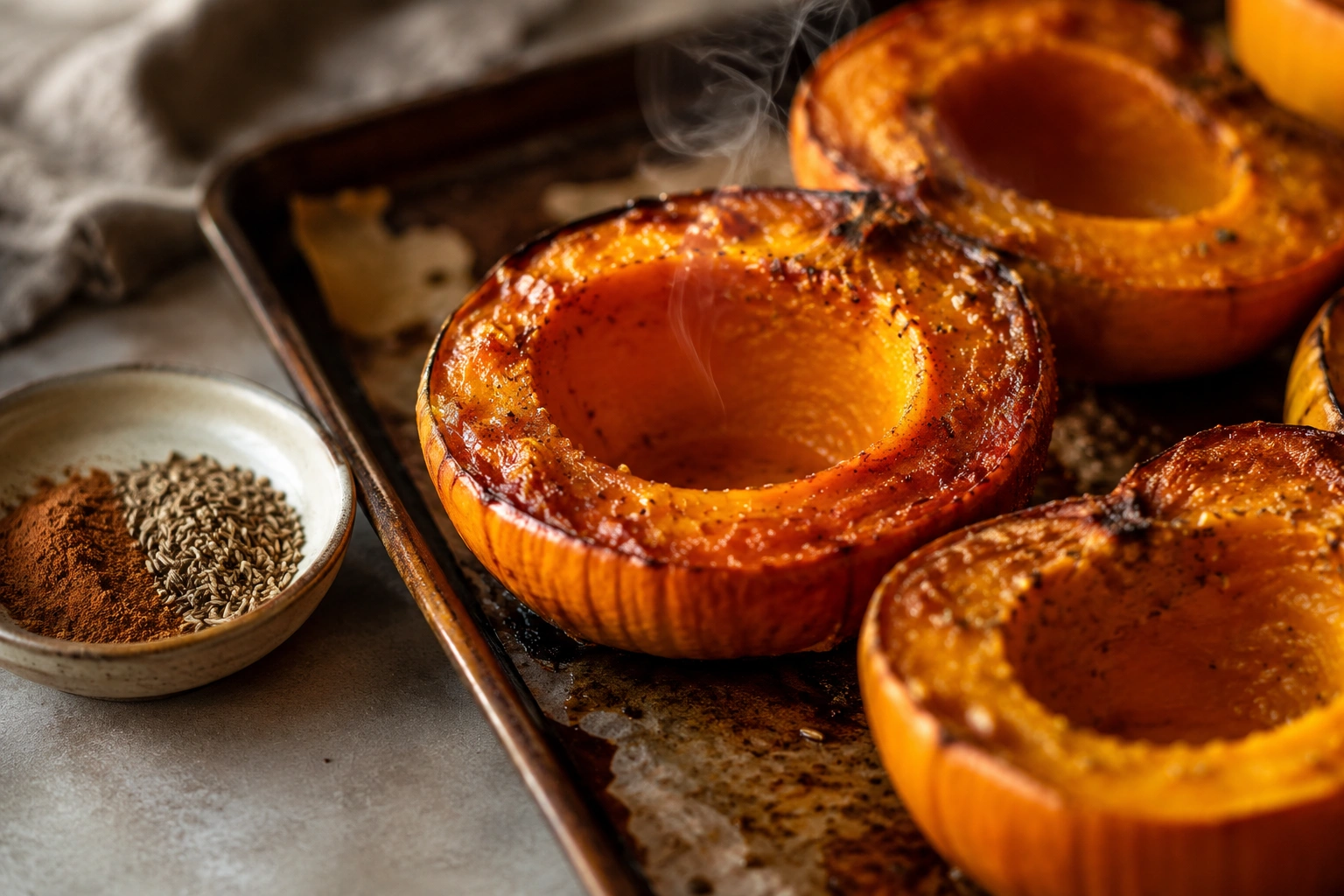
Halve the pumpkin, scoop out the seeds, rub the flesh with olive oil, and roast cut-side down at 400°F (200°C) for 35–40 minutes, until a fork slides in easily. (Skip this step entirely if using canned puree.)
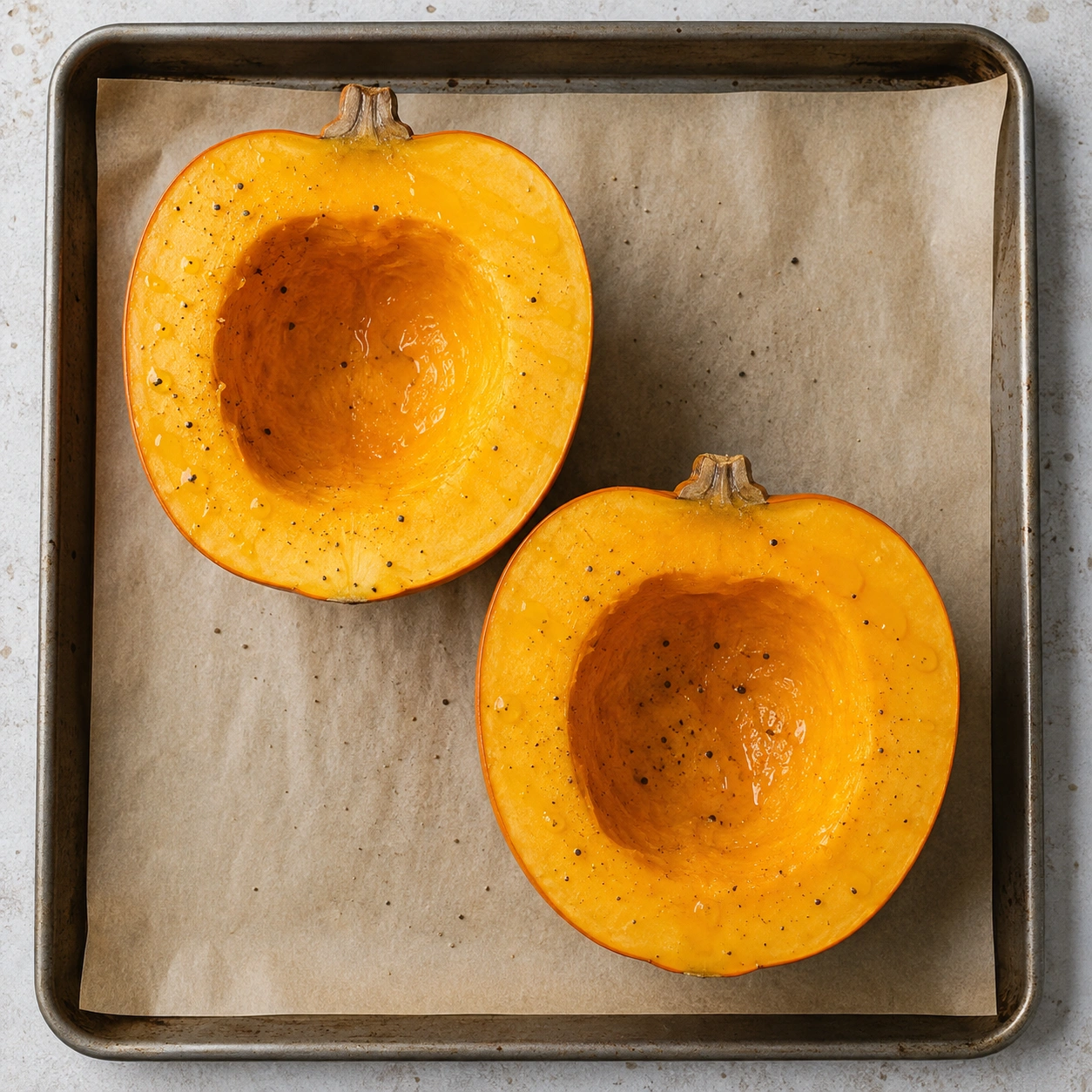
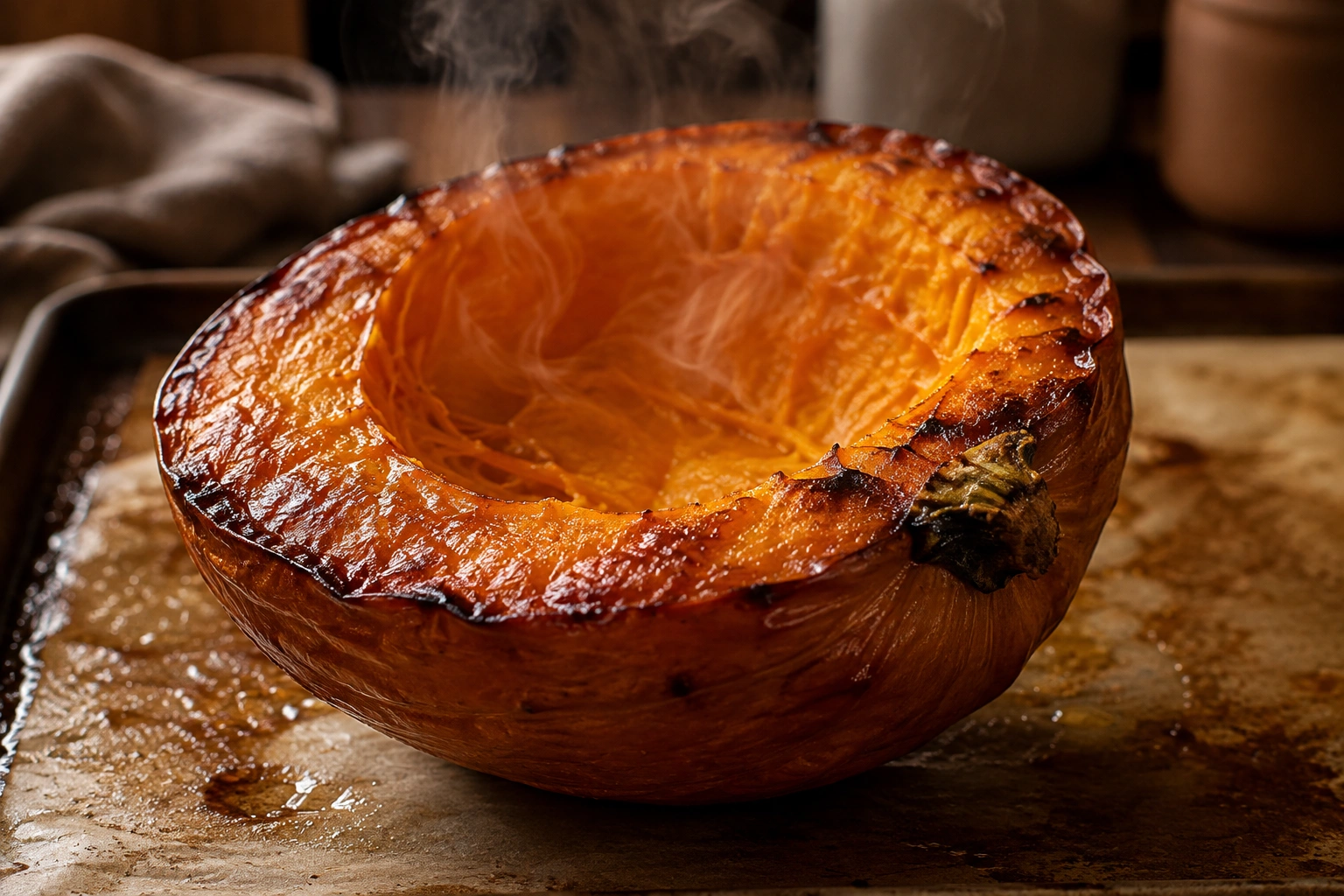
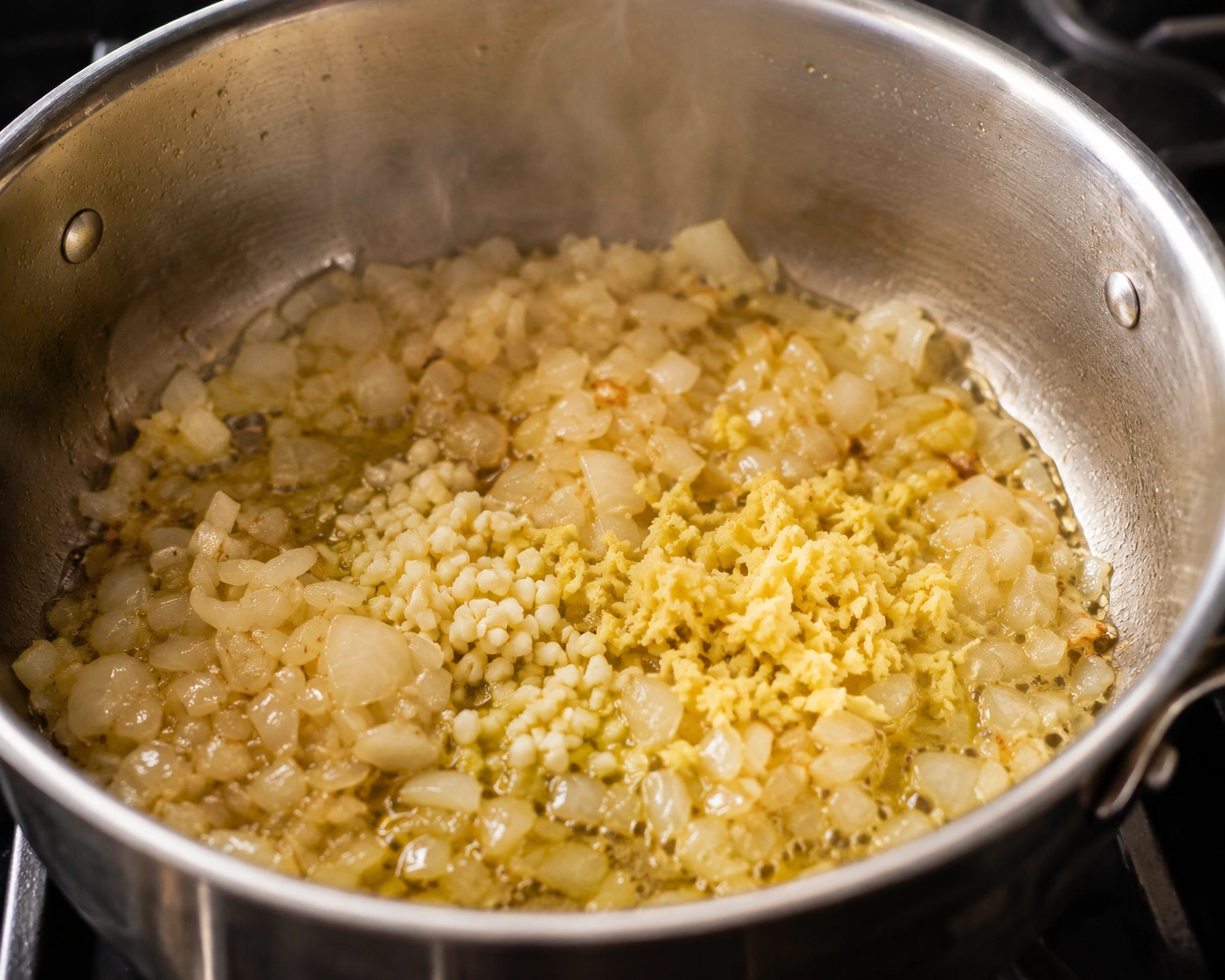
In a large pot, heat 2 tbsp olive oil over medium heat. Add the onion and cook until translucent, about 5 minutes. Add minced garlic and grated ginger and cook for another minute until fragrant — don't let the garlic brown or it turns bitter.
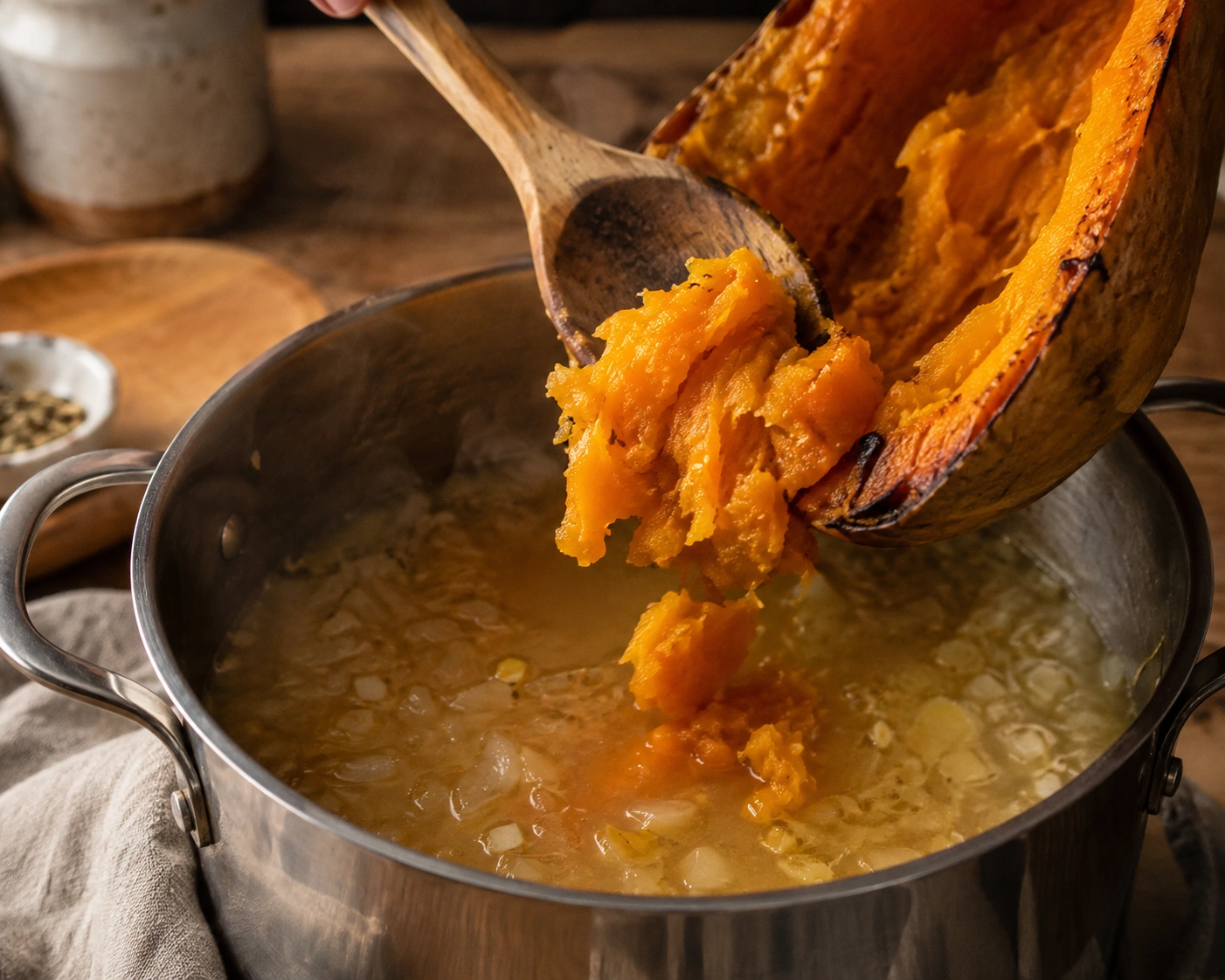
Scoop the roasted pumpkin flesh into the pot (or add the canned puree), then add broth, cumin, and cinnamon. Simmer for 15 minutes to let the flavors meld together harmoniously.
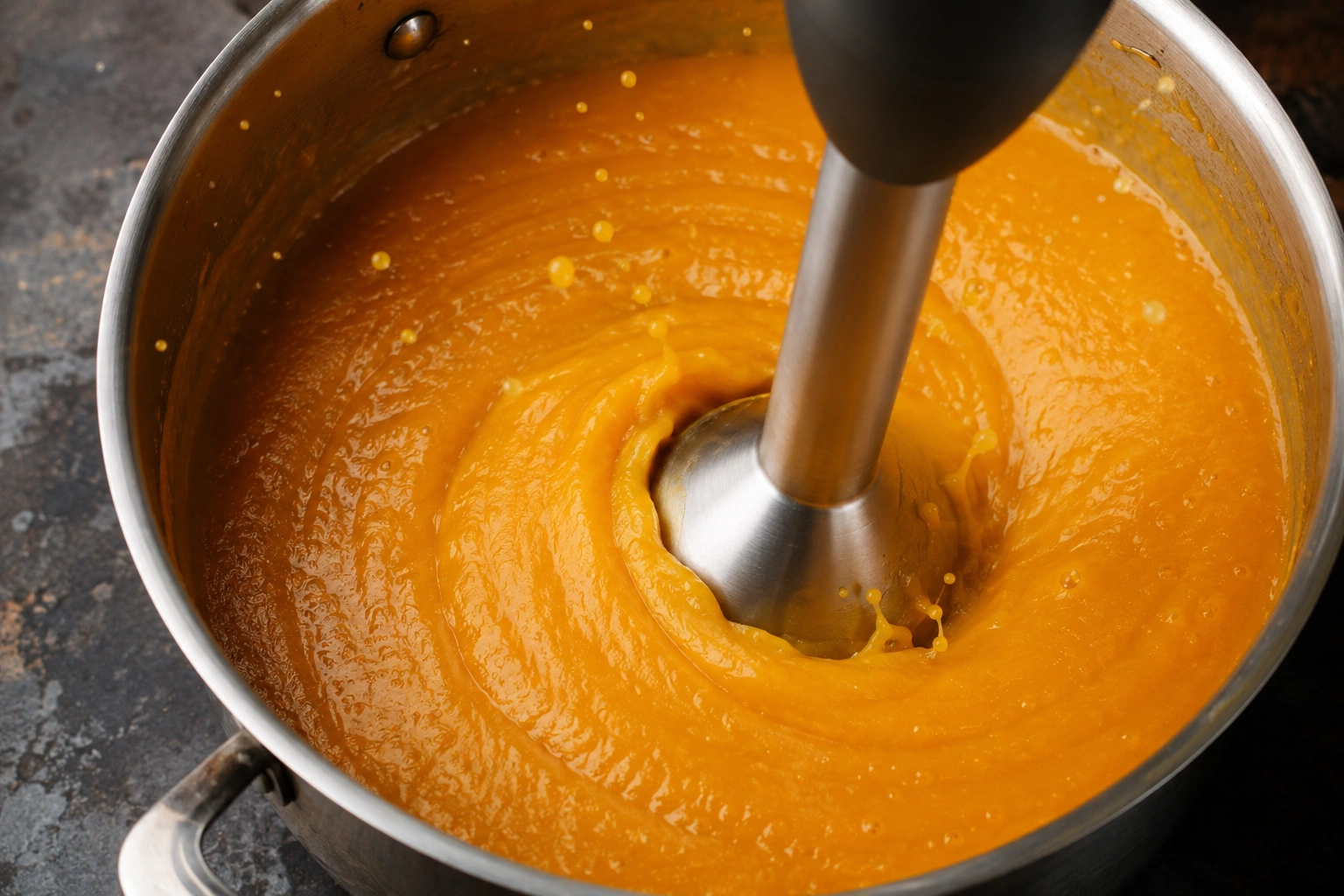
Use an immersion blender directly in the pot, or work in batches in a countertop blender, until completely smooth and velvety.
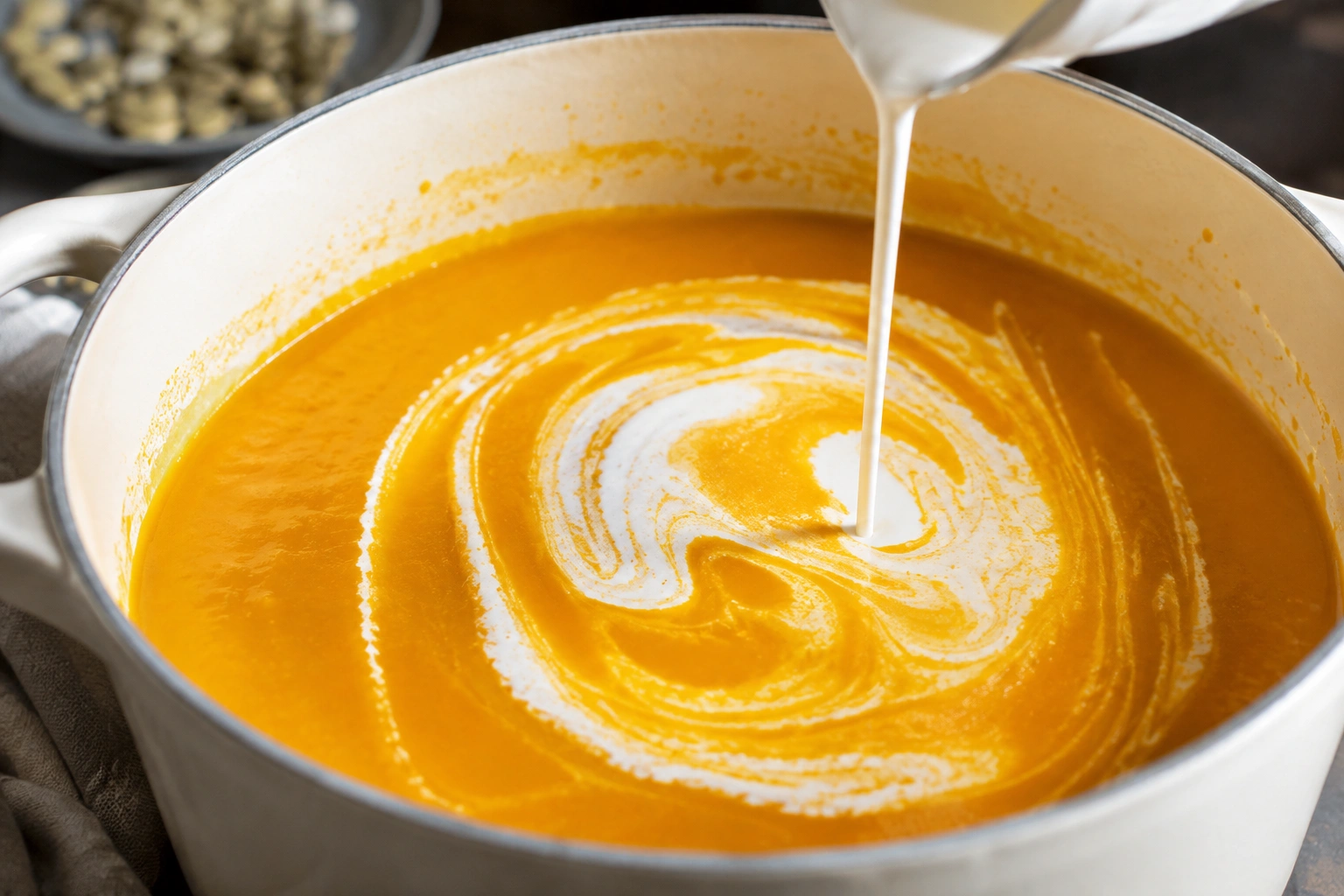
Stir in the coconut milk or heavy cream, then season generously with salt, black pepper, and the fresh lime juice. Taste and adjust — this last step matters more than people think!
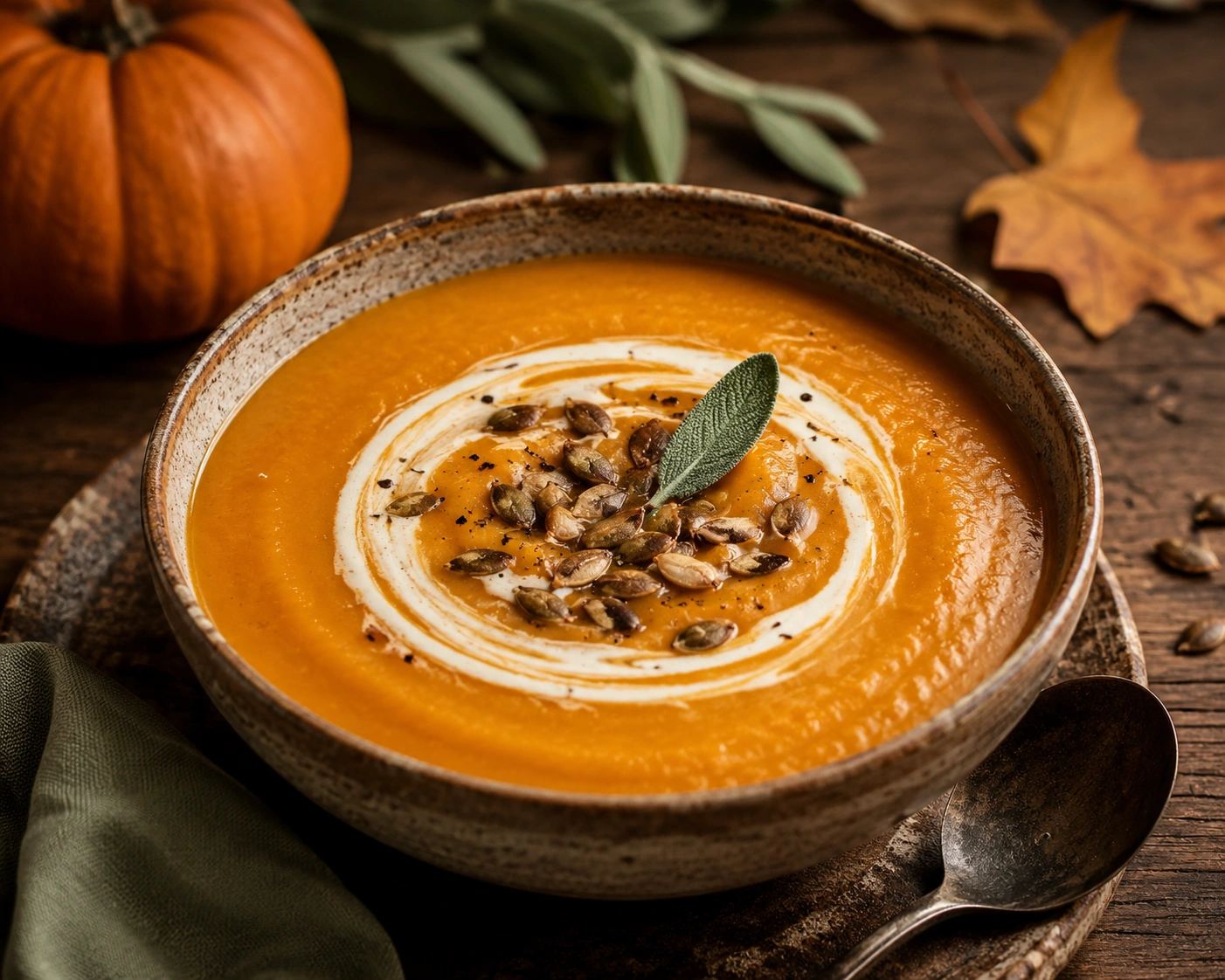
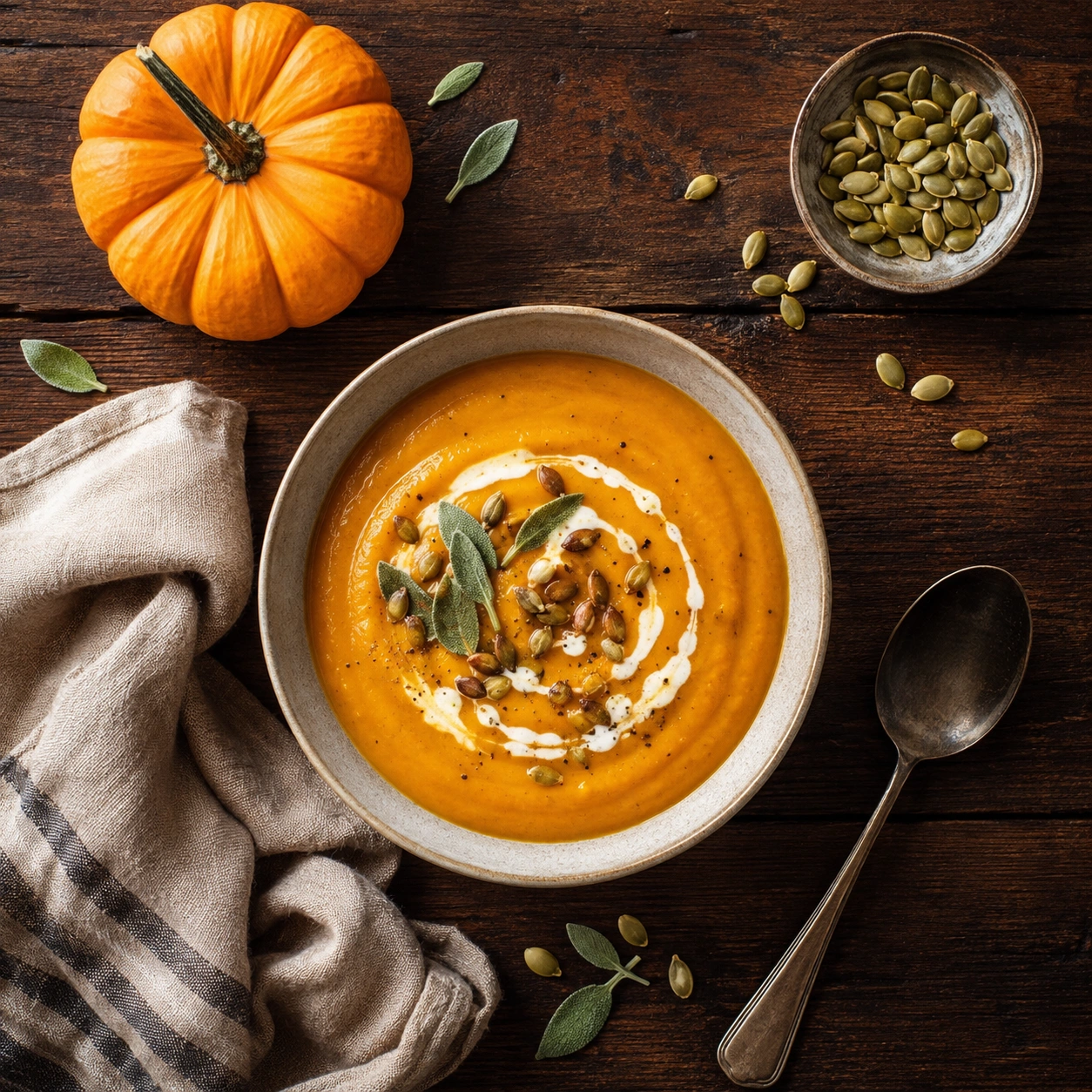
Ladle into warm bowls and serve with toasted pumpkin seeds and a final drizzle of cream on top.
This is one of the most common complaints, and it almost always comes down to one of three causes:
Start with less than you think you need — you can always thin it out later, but you can't easily thicken a soup that's already too loose without diluting the flavor further.
Boiled or steamed pumpkin holds extra water that roasting drives off. This alone is often the difference between a thin soup and a velvety one.
Cream and coconut milk can break down and separate if boiled hard, which changes the texture and can make the soup taste thin and grainy at the same time. Add dairy at the end, off high heat.
💡 Emergency fix: If your soup is already watery, simmer it uncovered for 10–15 minutes to reduce it, or blend in a peeled, boiled potato to thicken it without diluting flavor.
Cumin and cinnamon are a solid baseline, but pumpkin is a blank canvas that takes well to several different flavor directions:
Smoked paprika, cumin, coriander, and a pinch of cayenne pepper.
Cinnamon, fresh nutmeg, a touch of pure maple syrup, and nutty brown butter.
Fresh sage fried in butter until crisp, fresh thyme, and a bay leaf simmered and removed before blending.
Curry powder or Thai red curry paste with coconut milk, or spicy harissa for a North African flair.
Note: Fresh herbs should go in at the end, not during the long simmer — heat destroys their delicate aroma quickly.
Pumpkin soup is naturally easy to make vegan. Swap butter for olive oil, use vegetable broth instead of chicken broth, and use full-fat coconut milk instead of cream — it actually pairs better with the warm spices than dairy does. Cashew cream (blended raw cashews and water) is another good option if you want richness without the coconut flavor.
Keeps for 4–5 days in an airtight container. Often tastes even better the next day.
Freezes up to 3 months. Leave out the cream before freezing; stir it in fresh when reheating.
Reheat gently on the stovetop over low-medium heat, stirring occasionally.
Pumpkin soup is rich and slightly sweet, so it pairs best with something crunchy, salty, or acidic to balance it:
Good pumpkin soup isn't about a secret ingredient — it's about technique. Roast instead of boil, season more than feels natural, add fat for richness, and don't skip the acid at the end. Once you've made it this way, it's hard to go back to the thin, one-note version most recipes produce.
What's your go-to twist on pumpkin soup — curry spiced, classic and simple, or something else entirely? I'd genuinely like to know.
Baking
Savory Australian baked slice with zucchini, bacon, and cheddar cheese that never turns soggy.
 Baking
Flaky puff pastry wrapped around savory seasoned pork and beef filling with crisp golden tops.
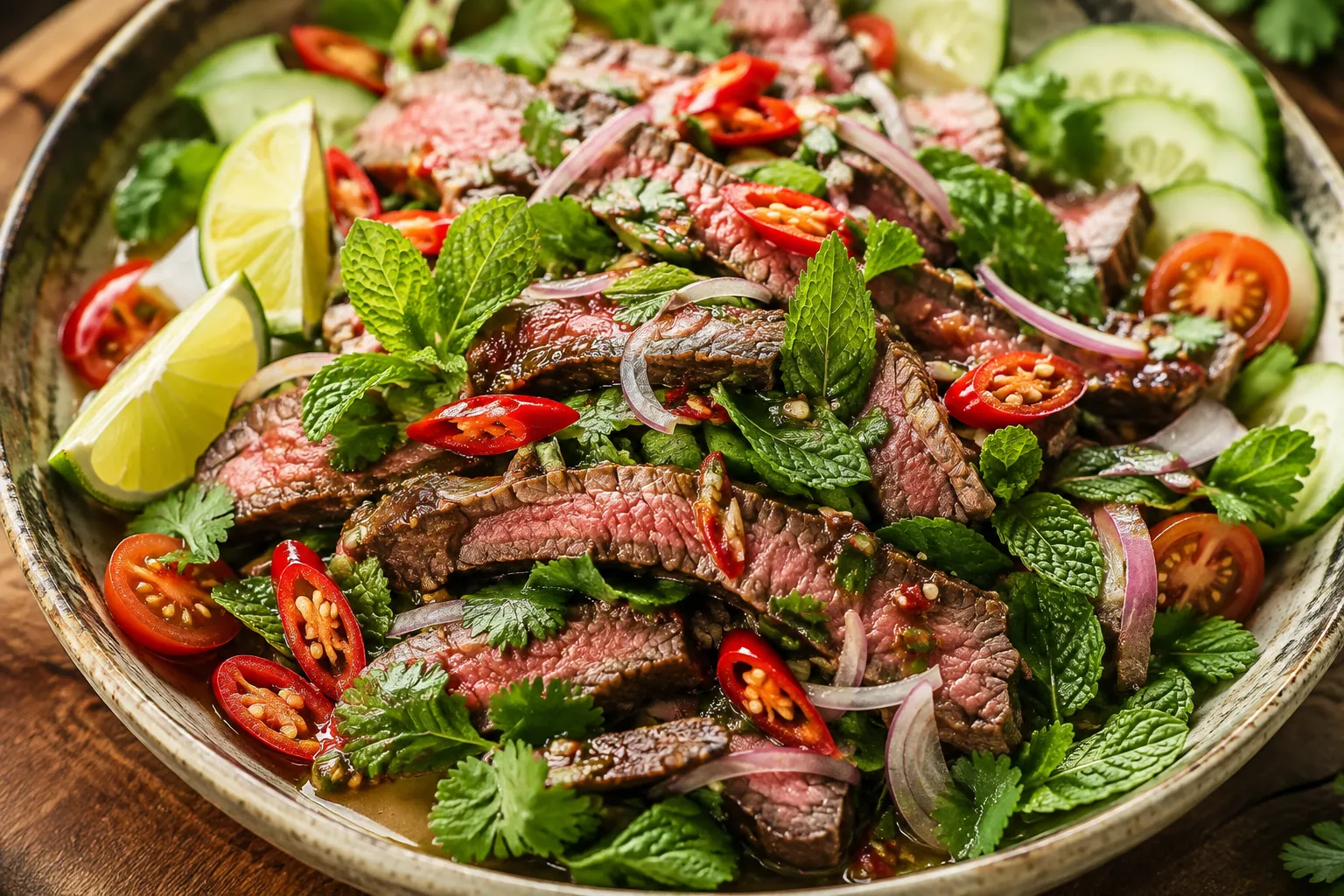 Salads
Tender seared beef tossed with fresh herbs, crisp vegetables, and a fiery lime-fish sauce dressing.