In the sun-soaked coastal hills of Amalfi and Sorrento, limoncello is more than a liqueur. It is a time-honored gesture of hospitality. Plucked from ancient lemon groves and served straight from the ice chest at the conclusion of a feast, a glass of cold limoncello settles the palate with intense citrus aroma, natural sweetness, and a soothing warming finish.
Commercial versions sold in liquor stores often rely on artificial yellow colorings, glucose syrup, and harsh preservatives. Making it at home requires only four simple elements: organic lemons, neutral spirit, filtered water, and sugar. With the correct peeling technique and infusion timeline, you will produce a liqueur vastly superior to anything on commercial shelves.
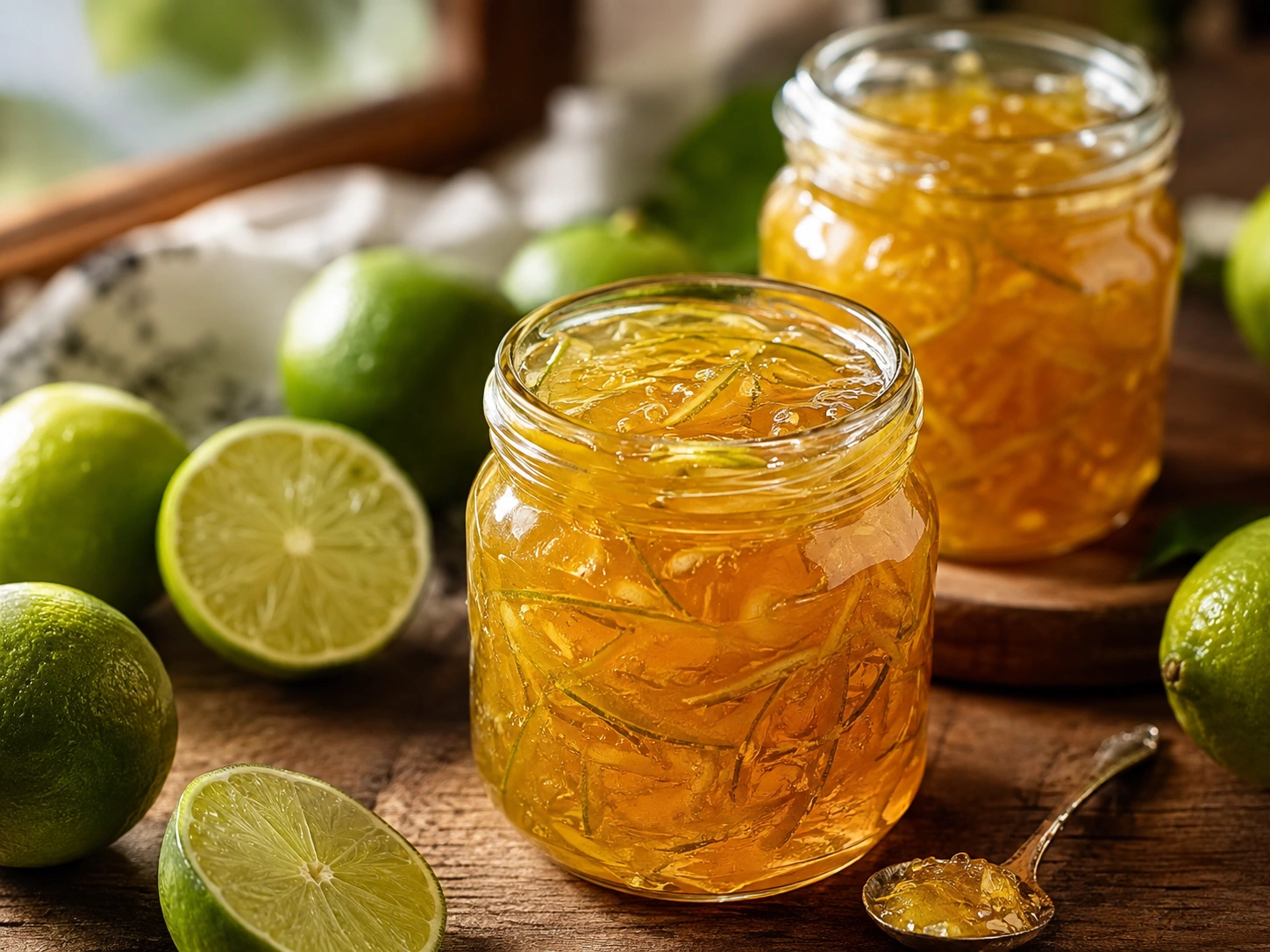
Explore our handmade pantry staples like Zesty Lime Marmalade, Sweet Chilli Jam, and Traditional Apricot Jam.
The Science of Solvent Extraction and the Ouzo Effect
Why do we use pure 95% neutral grain alcohol rather than ordinary standard proof vodka? Essential lemon oils (primarily limonene and citral) are nonpolar organic hydrocarbons. High-proof alcohol acts as an aggressive solvent, extracting essential oils from zest cells within days.
The Spontaneous Cloudiness Phenomenon
When you combine crystal-clear yellow alcohol with water-based sugar syrup, the sudden drop in alcohol percentage forces the dissolved limonene oils to precipitate into billions of microscopic droplets. This optical phenomenon, called the *ouzo effect*, gives authentic limoncello its cloudy, opalescent yellow appearance.
Ingredient Selection: Lemons and Spirits
- Organic, Unwaxed Lemons: You are ingesting pure peel extract. Standard commercial lemons carry petroleum wax and fungicide sprays. Seek organic Eureka, Lisbon, or homegrown Meyer lemons.
- Neutral Grain Spirit (Everclear 95% or 100-Proof Vodka): 95% neutral alcohol extracts the purest citrus oils with zero grain aftertaste. If 95% spirit is restricted in your region, use 100-proof (50% ABV) premium vodka.
- Filtered Spring Water: Tap water with high mineral content can cause chalky sediment to settle at the bottom of your bottles. Always use pure spring or filtered water.
- Granulated White Sugar: Pure white cane sugar produces a clean, transparent syrup that lets the natural lemon aroma shine.

Fresh Pantry Essentials: Organic lemons, 95% neutral grain alcohol, filtered spring water, and cane sugar
Step-by-Step Distillation & Maceration Guide
Peel with Zero White Pith
Scrub lemons under hot water to remove any surface dust. Using a sharp Y-peeler, glide lightly over the skin to shave only the yellow flavedo. Check the back of each strip; if you see spongy white albedo pith, scrape it clean with a small paring knife.
Macerate in a Dark Cupboard
Place the peels into a clean 2-litre mason jar. Pour over 750ml alcohol. Seal tightly and store in a cool, dark cupboard for 10 to 14 days. You will notice the alcohol turning electric yellow while the peels turn translucent white and brittle as their oils are stripped away.
Simmer and Cool the Simple Syrup
In a saucepan, heat 750ml filtered water and 450g white sugar over medium heat until completely dissolved. Remove from heat and allow the syrup to cool completely to room temperature.
Combine, Bottle, and Freeze
Strain the infused alcohol through a fine-mesh strainer lined with a coffee filter. Stir the lemon spirit into the cooled sugar syrup. Funnel into sterilized glass bottles, seal tightly, and place directly in the freezer for at least 3 days before serving.
Mistakes That Ruin Homemade Limoncello
Including White Pith in the Infusion
The white inner pith contains bitter limonin compounds. Even a small amount of pith will turn your liqueur unpleasantly bitter and medicinal.
Infusing in Direct Sunlight
UV light destroys delicate citrus polyphenols and degrades bright yellow pigments into dull brown hues. Always infuse in a dark cupboard.

Digestivo Tradition: Serve ice-cold directly from the freezer in chilled cordial glasses.
Frequently Asked Questions
What is the best alcohol to use for limoncello? +
Pure 95% neutral grain alcohol (190 proof rectified spirit or Everclear) is the gold standard because it extracts essential lemon oils rapidly without watering down the spirit. If unavailable, use the highest proof 100-proof (50% ABV) premium vodka.
Why is organic and unwaxed lemon selection essential? +
Standard supermarket lemons are coated in petroleum or shellac waxes and pesticides to extend shelf life. Alcohol dissolves these chemical coatings straight into your liqueur. Always use organic, unwaxed lemons.
Why does my limoncello taste bitter? +
Bitterness comes from white pith left on the peels. The pith contains bitter compounds that overpower the citrus oils. Scrape any white pith off the back of the peels with a paring knife before macerating.
How long should you steep lemon peels in alcohol? +
In 95% grain alcohol, 10 to 14 days is optimal. Nearly 90% of the essential limonene oil is extracted within the first week. Leaving peels in alcohol for months does not improve flavour and can extract unwanted tannins.
Why does limoncello turn cloudy when mixed with syrup? +
This cloudiness is known as the spontaneous emulsification or ouzo effect. Essential lemon oils are soluble in strong alcohol but insoluble in water. When water-based syrup is added, microscopic oil droplets scatter light, creating that signature luminous yellow glow.
How long does homemade limoncello last? +
Because of its high alcohol content (usually 30% to 38% ABV) and sugar concentration, limoncello has an indefinite shelf life when stored in the freezer, lasting up to 2 years with no loss of aroma.
Will limoncello freeze solid in the home freezer? +
No, a balanced 30% to 35% ABV liqueur will not freeze solid in standard home freezers (-18°C / 0°F). Instead, it becomes delightfully thick, syrupy, and ice-cold.
How should authentic Italian limoncello be served? +
Serve straight from the freezer in small, frosted ceramic or glass cordial shot glasses as an after-dinner digestivo to aid digestion.
Can I use the leftover peeled lemons? +
Yes, juice the peeled lemons and freeze the juice in ice cube trays for lemon drizzle cake, salad dressings, or homemade lemonade.
How do I make a creamy Crema di Limoncello version? +
Replace the water in the simple syrup with equal parts whole milk and heavy whipping cream simmered with sugar and a vanilla bean, then combine with the strained lemon alcohol.